Managing business travel expenses is a complex task for UK-based international companies. With inflationary pressures, economic uncertainty and growing scrutiny over corporate spending, businesses are seeking innovative solutions to optimise their expense management strategies.
Among these tools are prepaid business cards, a versatile alternative to traditional payment methods. These cards are reshaping how companies control spending, enhance transparency and streamline financial processes.
What are prepaid business cards and how do they work?
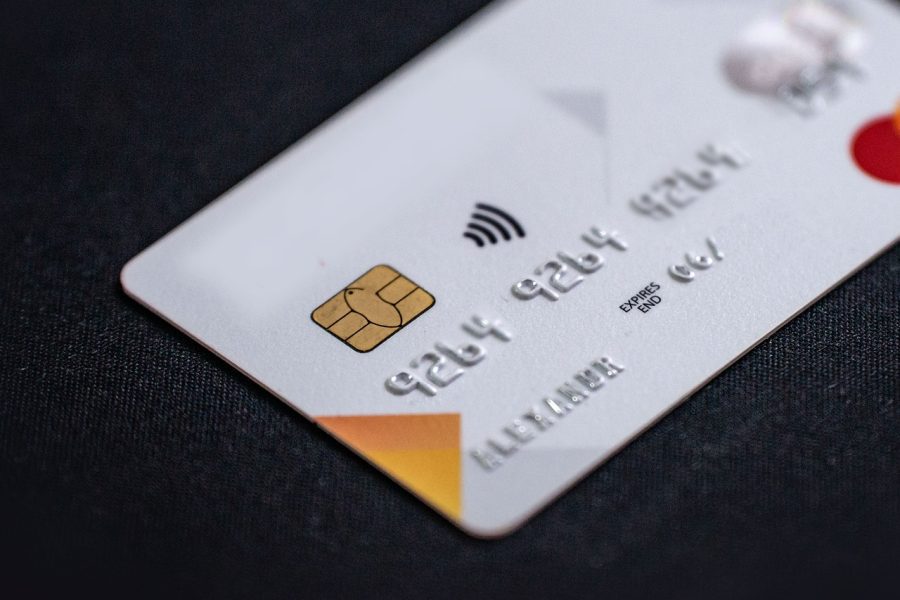
Prepaid business cards are a flexible alternative to debit or credit cards. Unlike credit cards, which draw funds from a line of credit, prepaid cards are loaded with a set amount of money by the business. This gives companies control over budgets and spending limits. These cards are widely accepted for transactions, making them suitable for travel, online purchases and other business expenses.
Their adoption has significantly grown among UK SMEs and large organisations. This growth reflects a shift towards more accountable and transparent financial practices. Prepaid cards are increasingly recognised as a tool to mitigate overspending and ensure strict adherence to expense policies.
Benefits of prepaid business cards for expense management
Using prepaid business cards means businesses can allocate budgets in advance and simplify expense tracking. By setting pre-defined limits, companies can ensure employees stay within budgets, eliminating overspending and unauthorised transactions. These cards simplify reconciliation processes by providing detailed, automated summaries of card usage, saving time and effort for finance teams.
Transparency is another advantage. Prepaid cards allow businesses to track expenses in real time, giving them greater insight into spending patterns. This level of visibility improves compliance and fosters accountability among employees.
Enhancing employee accountability and compliance
By allocating individual cards to employees and monitoring transactions in real time, employees are less likely to misuse funds when they know their transactions are being tracked.
As businesses navigate financial uncertainty, reducing the risk of misuse and improving compliance with corporate spending policies has become a priority. Prepaid business cards address these concerns by encouraging employees to stay within budgets and maintain transparency.
Integrating prepaid business cards with modern expense management tools
The integration of prepaid business cards with digital expense management tools is transforming how companies manage travel expenses. These tools automate reporting and approval workflows, reducing the administrative burden on finance teams. Real-time expense tracking further simplifies reconciliation processes, ensuring accuracy and efficiency.
The ability to integrate prepaid cards into these systems enhances their value, enabling businesses to achieve better financial control with less effort.
Prepaid business cards vs. traditional company credit cards
Compared to traditional credit cards, prepaid business cards eliminate the risk of accumulating debt. Additionally, the ability to set spending limits ensures greater control over expenses, which is not always possible with credit cards.
For companies prioritising financial discipline and risk management, prepaid business cards provide a practical solution. Their growing popularity underscores their effectiveness in addressing the challenges of modern business expense management.