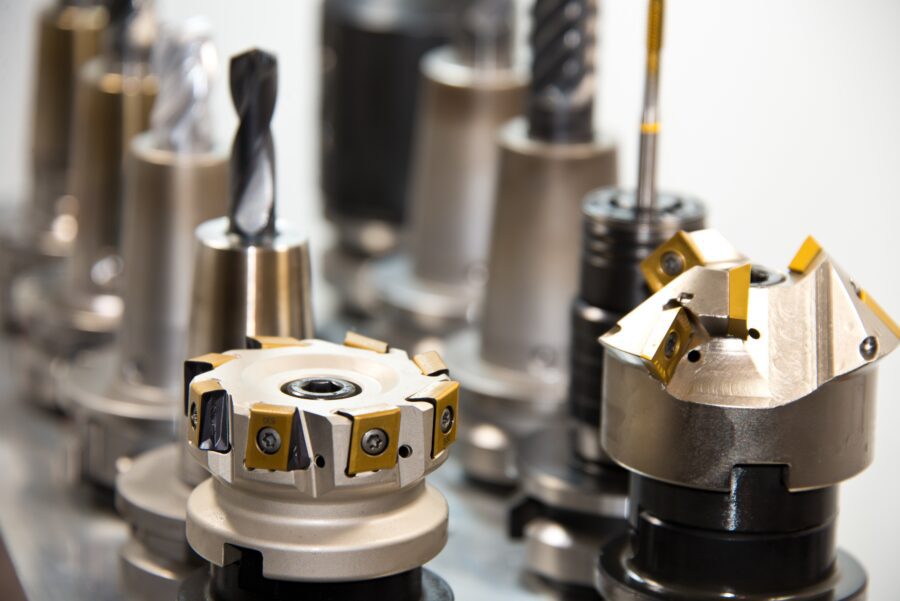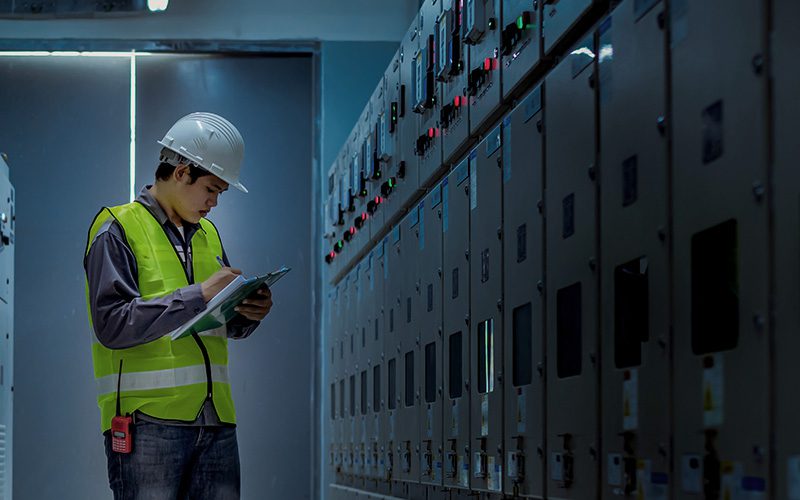
Industrial companies in the UK are quickly undergoing modernisation. Due to their continuous operational rhythm, factories and power stations now connect with digital instruments, cloud infrastructures, and automated control systems. Nevertheless, these industries are still key objectives for cybercriminals despite improving their work efficiency. The threat level is escalating from ransomware attacks to supply-chain breaches. In order to remain resilient, these particular fields are required to make cybersecurity their top priority.
Why Manufacturing and Energy Are High-Value Targets
Industrial operations have something cybercriminals want: critical infrastructure and sensitive data. A single breach can shut down production lines, disrupt power supplies, or expose trade secrets. The UK’s National Cyber Security Centre (NCSC) has repeatedly warned that both manufacturing factories and energy networks are now favourite targets for attackers. Ransomware gangs understand that downtime here costs millions per day; therefore, victims may feel pressured to pay.
Legacy systems also add to the problem. Industrial control systems (ICS) and operational technology (OT) exist inside many factories and power plants to this day. But they were designed way before today’s cyber threats evolved. Frequently, these infrastructures prove challenging to patch or isolate, creating gaps that hackers can exploit. The result is a sector where cyber risk is not just about lost data, it can also threaten physical safety of people and county, making industrial cybersecurity more than just an IT issue.
Key Threats Facing UK Industrial Firms
Ransomware remains the most popular threat as attackers use malware to encrypt vital systems to extort money from companies. But other threats are just as serious:
- Supply chain-in attacks – A poorly secured third-party supplier can provide an easy way into a larger company’s network.
- Insider mistakes or sabotage – Simple human error, like clicking a phishing email, can expose critical systems.
- Exploits in IoT and OT devices – Connected sensors, controllers, and monitoring tools often have weak or outdated security making it ideal for hackers to them.
These attacks can cause weeks of operational downtime, sanctions, fines, and lasting reputational damage.
 https://postimg.cc/23vMg92f
How to Stay Ahead of Cyber Threats?
There are a few ways to think and act one step ahead of attackers strengthening industrial security and building resilience. Let’s explore the common ones below.
- Penetration testing coupled with regular risk assessments.
Companies must periodically assess each digital industrial resource, including office IT and control systems. Simulated attacks reveal real weaknesses before actual criminals locating them.
- Segment networks and strictly enforce access controls.
Separating operational technology from corporate IT helps limit the spread of an intrusion. Use strong multi-factor authentication (MFA), and the principle of least privilege so employees only access what they need.
- Keep software and firmware up to date.
Even legacy systems can often be patched or placed behind additional security layers. Routine updates can close these known vulnerabilities.
- Train staff at every level.
Employees remain the first line of defence. Ongoing awareness programmes and phishing simulations reduce the risk of human error.
- Strengthen supply-chain security. Evaluate and thoroughly check all vendors, require cybersecurity clauses in contracts, and monitor third-party access. A supplier’s weakness should not become your problem.
- Plan for incidents before they happen.
Create and test a detailed incident-response plan. Include backup procedures, legal obligations, and clear communication steps so employees can follow them clearly and the business can recover quickly.
- Monitor OT and ICS environments.
Use intrusion-detection tools and security platforms designed for industrial control networks. Early detection can stop an attack before it affects operations.
8.The Role of Regulation and Best Practice
The UK government recommends critical industries to follow recognised standards such as ISO/IEC 27001 or the industrial-specific IEC 62443. Compliance reduces risk and reassures regulators and customers that security is a priority.
 https://postimg.cc/2V7JSqsc
Securing the Future
Technological reformation substantially helps UK manufacturing and energy. It empowers them to be more productive, but inadequate cyber defence can cause those advancements to disappear rapidly. So what is the solution for that?
Manufacturing firms can safeguard their operations via investment in modern security practices, tools and AI. These steps will guarantee that even the most advanced attackers face greater difficulty succeeding.
Cybersecurity has become more than simply an IT issue. It is a responsibility of every business. Companies that act now will safeguard their critical infrastructure and strengthen their competitive position in a marketplace where trust and resilience are more valuable than ever.
Images courtesy of PostImage