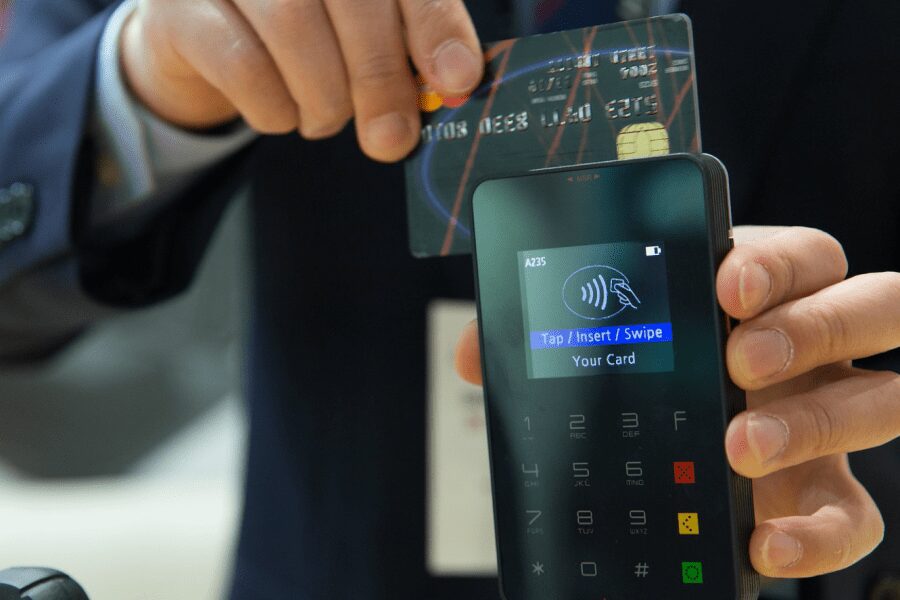
The fintech industry and its developments have been revolutionary. They have transformed the way consumers can pay for products and services with new innovations available.
The evolution that has been experienced has provided convenience and greater accessibility. As a result, several industries across the UK have benefited.
Which industries have benefitted from fintech developments?
The impact and influence that fintech has had on British industries can be seen almost everywhere.
The e-commerce sector is one of the most notable, as we can make various payments with the touch of a button online. Global conglomerates have simplified the process, providing us with convenience.
The entertainment industry has also done the same. You can find plenty of activities within the sector in which you can make simple payments. The iGaming niche is evident, as you can play at a betting casino and pick from many different methods when making deposits or withdrawals or when trying to claim an eligible free spins sign up bonus that can be offered as part of a welcome promotion.
Retailers and businesses within the hospitality sectors have also benefited from fintech advancements related to payments. They provide terminals that accept contactless payments, making it very convenient for customers to make timely transactions when paying for the services that they have used.
How far has fintech advanced?
When it comes to paying for goods and services, the British population have been left spoilt for choice. Several options have been made available, all of which have made it easier than ever to make payment transactions.
The most notable options that have become available in recent times are contactless, digital wallets (Apple Pay, Google Pay, etc.) and e-wallets. These methods have become the preferred options for British people, as they don’t require too much more than touching a payment terminal.
Source: Pixabay
Users have started using e-wallets more frequently as they are more secure than other alternatives. Only a username and password are required, and e-wallets can be kept separate from a bank account, like PayPal and Skrill.
Fintech has also been able to make use of new technologies that don’t directly impact its own industry, such as the development of new devices. The rise of smartphones and smartwatches has led to people being offered more convenience and accessibility when it comes to making payments. They no longer need to carry a wallet/purse, or have a physical bank card or cash on them. These devices can be more secure than traditional methods, too. They often use biometric technologies, such as facial or fingerprint recognition.
Could fintech advancements help industries progress further?
As technology continues to develop rapidly, the fintech industry continues to evolve rapidly along with it. Many new products have been made available for customers, such as alternative ways to pay and payment schemes like ‘Buy Now, Pay Later’, etc.
As tech improves, safer and more secure methods could become available, especially as people become more aware of the cyber threats that can be experienced.
With customers always demanding the simplest and most efficient ways to make payments, it’s not unlikely that British industries will experience changes in the near future.