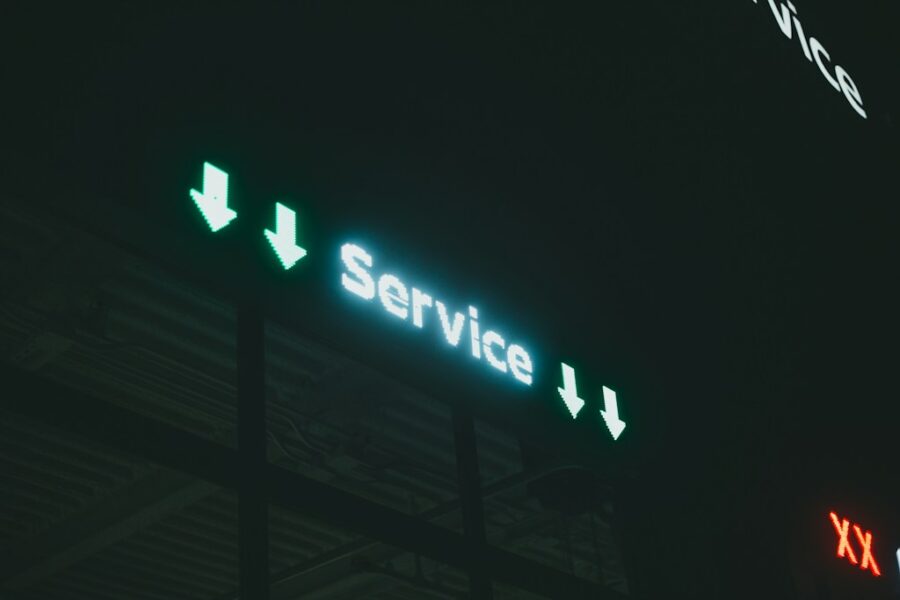
This article considers some of the market forces that were pointed out in recent research with regards to the digital sign industry. This research refers more to the companies using digital signs rather than the companies manufacturing them. The reason for this is that digital sign manufacturing has a big crossover with mobile device, TV and laptop manufacturing, making it more difficult to see what impact digital signs is having on the manufacturing companies themselves.
Wider Adoption Because of Cheaper Prices
The cost of digital signs keeps going down and continues to go down. This is partially due to how popular digital signs are but is mostly due to how cheap China is able to manufacture a variety of TV screens that are also suitable for digital signs.
The cost of installing the signs is very low because most companies can do it themselves. The same is true of the cost of running the signs. As you know, an amount of technology is needed to run several/tens of signs in one location, but the amount of technology required is getting less and less each year. It is even possible to run several signs from one Smartphone if required. Added to which, the cost of the software used to run digital signs, such as the software created by KitCast, has become so cheap that even small startup businesses can afford it.
Digital Signs Are Everywhere
It seems there are very few businesses where digital signs are “Not” somehow a benefit. Be it companies using Kitcast for healthcare to help people find their way around a hospital, to restaurants putting their menus on digital signs with live updates as to what food is still available.
Due to how cheap digital signs are and how easy they are to set up and run, companies are going out of their way to find ways to use digital signs, and in almost every case they add some sort of value. Many companies use digital signs to convey information to customers, but they are also being used to disseminate information among staff. Rather than staff reading an update email, they can read what is being shown on the digital signs in their break rooms and cafeteria areas. It is easier and far more engaging.
Does Any Of This Matter?
It matters in some ways because you have to respect the capitalist market as being only as smart as the people who work within it. For example, the LED bulb was brought to the open market in 1970, but it was only in the 2018 era that some smart person decided these super-efficient, super-long lasting, cheap-to-make and eco-friendly bulbs should be used in houses and businesses as opposed to only on Christmas trees.
Take the more complex problem of hybrid cars. Turns out they are no more eco-friendly or fuel efficient than the most modern cars. However, they do deal with the problem of wasting fuel during periods of slow-speed acceleration, which would make them ideal fuel-saving vehicles for smaller businesses. But, the cost of hybrids is still so high that small businesses cannot afford them. The irony is that small business could be saving fuel money if the cost of the device offering good fuel efficiency were not so high.
The cost/benefits of running digital signs are in the seller’s/service-provider’s favor at the moment, which means the use of digital signs is likely to keep going upwards. And, where businesses do have a definite advantage if they use digital signs over other means of information conveyance, the trend towards continued and expanded use of digital signs will only exist so long as market conditions allow it. For example, if tomorrow the Chinese outlawed the cheap production of TV screens, then the digital sign market would flop and drop overnight.