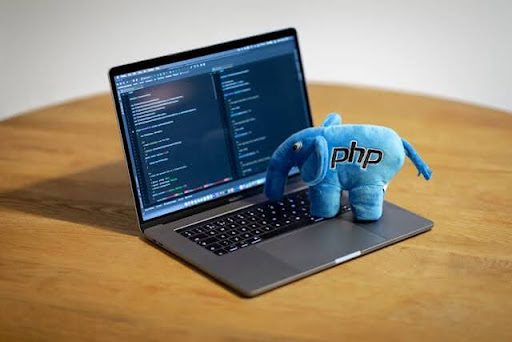
In the ever-evolving landscape of the web development industry, numerous programming languages are competing for an umbrella-effect relevance. Yet, one language consistently stands out when creating dynamic and interactive websites: PHP. With its versatility, ease of use, and extensive community support, PHP has cemented its position as a cornerstone of web development.
What Exactly Is PHP?
PHP, an acronym for Hypertext Pre-processor, is a general-purpose scripting language specifically designed for web development. It seamlessly integrates with HTML, which is why companies and organisations consistently seek PHP developers for hire to help them build and maintain their online platforms.
Unlike pure HTML, which displays static content, PHP code executes on the server before being sent to the user’s browser, enabling dynamic web page generation. This fundamental capability has paved the way for PHP’s position as a cornerstone of web development over the past decades.
Despite the rise of alternative languages like Python and JavaScript, PHP remains a powerhouse. It fuels a significant portion of the internet, powering popular websites like Facebook, WordPress, and Wikipedia. This demonstrates its ability to handle large-scale applications and complex functionalities.
Furthermore, the PHP development team actively releases new versions, introducing enhancements, security improvements, and compatibility with emerging technologies. This continuous evolution ensures that PHP stays relevant and adaptable to the ever-changing web development landscape.
10 Reasons Why PHP is So Popular for Web Development
The following highlights the edge PHP has as being one of the most popular programming languages over other programming languages:
1. Relatively Gentle Learning Curve
PHP boasts a relatively straightforward syntax, making it accessible to both beginners and experienced developers. Its similarities to languages like C and Java further ease the learning curve, allowing individuals to quickly pick up the fundamentals and start building web applications.
2. Open Source and Free
PHP’s open-source nature eliminates licensing costs, making it an attractive option for individuals and businesses alike. This also fosters a vibrant community that contributes to continuous development and improvement, ensuring access to the latest features and bug fixes.
3. Versatility
PHP’s flexibility allows developers to tackle diverse web development projects. Whether it’s building simple landing web pages or a complex e-commerce platform, PHP can handle the task efficiently. This versatility makes it a valuable tool for businesses of all sizes and across various industries.
4. Large Community and Support
It boasts a massive and active community of PHP developers, providing extensive online resources, tutorials, and forums for support and collaboration. This network of experts offers invaluable assistance to developers of all skill levels, helping them overcome challenges and learn new techniques.
5. Integration with Popular Web Servers:
PHP seamlessly integrates with major web servers like Apache and Nginx, simplifying the deployment process and ensuring compatibility with widely used server environments. This allows PHP developers to focus on building the application logic without worrying about compatibility issues.
6. Scalability
PHP web development can be easily scaled to accommodate growing traffic and user demands. This makes it suitable for both small-scale projects and large-scale web applications. As businesses grow and their online presence expands, PHP can adapt to handle the increased load without compromising performance.
7. Security Features
PHP offers built-in security features to help protect against common web vulnerabilities like cross-site scripting (XSS) and SQL injection. These features are reasons why PHP is popular, as it provides a foundation for secure web development, helping businesses protect user data and prevent malicious attacks.
8. Mature and Stable:
With over two decades of development and widespread adoption, PHP has proven its stability and reliability. This provides developers with confidence in building robust and secure web applications. The extensive track record of PHP ensures that businesses can rely on the stability and long-term support of this scalable programming language.
9. Abundant Frameworks and Libraries:
With over two decades of development and widespread adoption, PHP has proven its stability and reliability. This provides developers with confidence in building robust and secure web applications. The extensive track record of PHP ensures that businesses can rely on its stability and long-term support.
10. Cost-Effective Development
Due to the ease of learning, large community, and readily available resources, PHP development often requires less time and investment compared to other programming languages. This makes it a cost-effective option for businesses looking to build web applications without breaking the bank.
PHP’s relatively easy-to-learn syntax allows developers to ramp up quickly, minimising onboarding time and getting to the coding stage faster. This translates to fewer billable hours and a leaner development process. Furthermore, the vast ecosystem of pre-built libraries and frameworks in PHP eliminates the need to reinvent the wheel. Developers can leverage these readily available tools and code components, saving precious development time and associated costs compared to building everything from scratch.
Features of PHP
PHP’s success as a web development language stems from its fundamental strengths, which offer significant advantages over other programming languages:
1. Server-side scripting
PHP code executes on the server before being sent to the user’s browser. This allows for dynamic content generation, user interaction, and complex logic processing that wouldn’t be possible with static HTML alone. It being a server side scripting language also enhances security by keeping sensitive data and logic on the server, away from the user’s browser.
2. Open Source and Free
PHP is freely available and an open-source language. This means any PHP developer can use and modify its code without licensing fees, fostering a vast community of developers who contribute to its ongoing development and improvement.
PHP’s open-source nature also makes it accessible to individuals and organisations with limited budgets, allowing them to build web applications without upfront budgetary plans.
3. Cross-Platform Compatibility
PHP runs seamlessly on various operating systems, including Windows, Linux, and macOS. This flexibility allows developers to choose their preferred development environment and deploy applications across different server platforms.
Cross-platform compatibility also simplifies the development process, as developers can work on their code regardless of the underlying server infrastructure.
4. Extensive Standard Library
PHP comes equipped with a vast library of built-in functions covering common tasks like string manipulation, date and time handling, file system operations, and more. This extensive library reduces the need for developers to write repetitive code, saving time and effort during development.
Additionally, the standard library provides a consistent set of functionalities across different PHP versions, ensuring and maintaining code portability.
5. Integration with Databases
PHP seamlessly integrates with popular databases like MySQL and PostgreSQL, allowing developers to store and retrieve data efficiently. This integration enables the creation of dynamic web applications that interact with databases to display and update content based on user input or other factors.
Additionally, PHP offers various tools and libraries for database management and manipulation, simplifying data-driven web development.
Trends Shaping the Future of PHP
What’s exciting about this programming language is that it’s not just for now but also for the future. Several key trends said to shape the future of PHP include:
Focus on Performance and Security
Performance and security are paramount in modern web development. PHP 8 and subsequent versions have introduced features like Just-In-Time (JIT) compilation and improved error handling, significantly boosting performance. Additionally, the PHP programming language continues to strengthen its security posture with built-in features and best practices.
Specialisation in APIs and Microservices
The rise of microservices architecture and API-driven development has opened new avenues for PHP. Its ability to seamlessly integrate with various technologies and frameworks makes it well-suited for building APIs and microservices, which are crucial components of modern web applications.
Cloud Adoption
Cloud platforms are increasingly popular for web development. PHP’s compatibility with major cloud providers like AWS and Azure allows developers to leverage the cloud environment’s scalability and flexibility.
Framework Evolution
PHP frameworks like Laravel, Symfony, and CodeIgniter are constantly evolving. They offer pre-built functionalities and standardised structures, accelerating development, promoting code maintainability, and providing a foundation for building complex web applications.
Conclusion
Despite the emergence of newer languages, the PHP programming language continues to be a cornerstone of web development. Its ease of use, versatility, extensive community support, and constant evolution make it a compelling choice for developers worldwide. As the web development landscape continues to evolve, PHP is likely to maintain its position as a powerful and reliable tool for building dynamic and interactive web applications.
Image source: Image