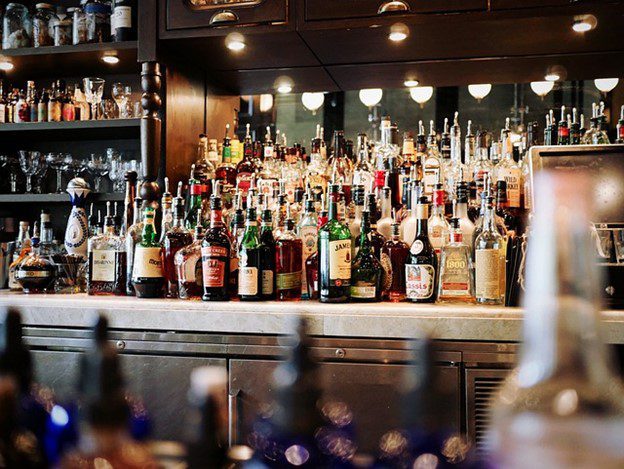
When it comes to make the difference for a liqueur or spirit making it stick in the customers’ heart there’s nothing as good as a great glass bottle design. How it is possible to make stand out a product from the competition giving it the chance to be chosen by the potential customers?
The first step to the success of the packaging: the bottle types
If a customer that doesn’t know a liqueur or spirit wants to try a new one, it is indeed possible that he (or she) will choose on first impression the product whose packaging is well designed. If you take a closer look at the glass bottles for liqueurs and spirits styles, you will discover an incredible world made of shines and colours, where it is really difficult to find out immediately the right packaging. In fact, in the alcohol industry there are lots of types of bottles that are used by winemakers and distillers to make unique their products. The high shoulder bottle is arguably the most common type of bottle in the wine industry, as it is used by wine producers to bottle wines as Bordeaux, Sauvignon or Cabernet. Another very widespread type of bottle is the sparkling wine-style, which it is normally used to bottle champagne. What is noticeable about this bottle style is indeed its weight, due to the need to withstand the high pressure of this wine. The dessert-style bottle is indeed extremely popular between the winemakers that produce fortified wine: the main feature in this case is the great customisation in decoration and shapes. The most common liquor bottle styles are the ones with rounded or flute shapes, as in this case the relevance of the packaging design can make the customer more familiar with the brand and the product itself. So, first of all it is important to keep in mind that spirit or liquor need to be bottle in a well-designed packaging that matches with the branding strategy chosen for the product.
A brilliant design of bottle label can suggest premium quality
If the choice of the right bottle type is the first step of the journey to success, it is also important to remember that the uniqueness of the spirit brand can be communicated by details such as the label put on the bottle. The first thing it must be noted here is that a label can be customized not only by choosing a great font or the right colours for the typographic details that underline the characteristics of the product. A label can stand out from the crowd also if it has been chosen the right type of paper, as this detail can make the difference where it is important to enhance the quality of colours. In this case, the coated paper is the right choice when it comes to make shine in its own light the colours, especially with pictures that are all about the details. Choosing an uncoated paper wouldn’t help to let the true colours shine on the label. The wrong choice won’t make come to light the commitment of a brand to offer to the customers an excellent quality product, as this detail on the packaging must be eye-catching. If a brand is looking for an environment friendly solution for its label, the best way to communicate the engagement of a company sustainable development is the choice of the most natural (and maybe handmade) paper.
The most eye-catching details on a bottle
Another way to make unique the design of a spirit or liquor bottle is the attention to detail when it comes to choose a particular processing or making of the paper. It is important to note that embossed or debossed paper can be the best choice when the brand is looking for a natural style for the label to put on the bottles. Embossed printing style is the best choice to embellish the label, giving it the special texture to communicate the genuineness of a spirit or liquor. Another way to give the label a distinguishing feature is choosing a drip off printed paper, as in this case it is possible to get a sharp contrast between the shiny and matte details of a logo or picture. In some cases, a gilded or gold foil paper could be used to enhance the perception of the brand as a premium one. The smallest details of a logo, the ageing techniques that a producer can use for its products, or many others relevant distinctive characteristics can be underlined using the gilding technique. In this case, it is important to note that it is possible to choose between colours as gold, silver, red or copper, as well as there are matte or glossy finishing that can really help a brand to get an eye-catching label for its products.