Regardless of one’s preferred political party, anyone can agree that there are situations that politicians could have handled a lot better. When watching national events unfold, one would be forgiven for wondering what it actually takes to become British Prime Minister. Are there certain training courses that they must complete? Is an interview involved? Is there a test at the end?
The only thing that we can say with certainty is that becoming the British Prime Minister is no easy feat, and there’s many steps that one must complete to get there. Detailed below are the simplified steps that a candidate must take to become the British Prime Minister.
Be Chosen as a Parliamentary Candidate
First things first, one must be selected as a parliamentary candidate within their chosen political party.
Win a General Election
Following this, the individual must partake in a general election and win the most votes. From this, they’ll become a member of parliament for a constituency of voters. This is the standard procedure; however, there have been some known exceptions in the past.
Become a Member of the “Backbenches”
Typically, the candidate will then become a member of the backbenches in the House of Commons, which will need to be approved by the leader of the respective political party. “Backbenches” refers to the completion of junior ministerial work (shadow ministerial work if the party isn’t currently in power).
Being a member of the Cabinet (e.g., Home Secretary, Foreign Secretary, Chancellor of the Exchequer) helps one’s position in becoming Prime Minister; however, this isn’t necessarily essential.
Wait for the Opportunity of a Leadership Contest
There are many opportunities for a leadership contest to arise, including referendum/election defeats, votes of no confidence, following scandals, resignations, deaths, and retirements. For example, when a prime minister resigns, a new general election may not necessarily be held, as the British voting system means that the political party is voted in power, rather than the prime minister.
Stand in the Contest
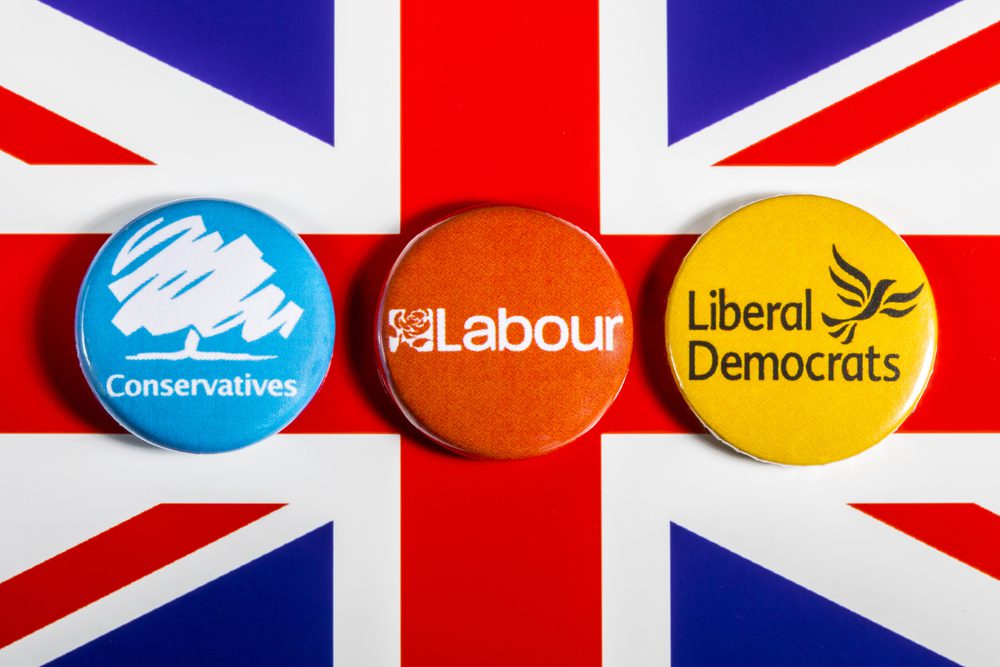
Whatever the opportunity may be that arises, the candidate must then stand in the contest to become the leader of their party. In doing so, they’ll need to receive enough votes based on the party’s way of choosing a leader. This vote may consist of trade union members, members of parliament, or party members.
Run an Effective Campaign
Essentially, an effective campaign consists of a good speech. This speech must outline your plans and vision for the party and the country as a whole. Hopefully for the candidate, a solid campaign will lead to a win.
If the candidate’s party is already in power, this win will result in them becoming the prime minister.
On the contrary, if the candidate’s party isn’t currently in power, they’ll have to wait for the next general election to run for prime minister. General elections are typically held every five years; however, in the instance that two-thirds of parliament call for an election, this can happen more frequently.
Conclusion
Ultimately, Britain is a unitary state in which parliamentary democracy takes place. As a result, British voters don’t directly elect the head of the government (the prime minister) or the head of the state (the Queen). Instead, this is hereditary, and voters elect the House of Commons, from which the prime minister emerges. Therefore, the British public only has the power to elect a certain political party, rather than the prime minister themselves. The prime minister may only become the prime minister if their own party elects them to do so.
What do you know about British politics?