Third-party logistics, also known simply as 3PL, refers to the outsourcing of eCommerce logistics to third party services. With eCommerce businesses including so many different operations, it’s sometimes better if they outsource to third party logistic service providers. This type of service has become a lot more popular in recent years, with global eCommerce brands making the most of the existing distribution networks controlled by 3PL providers.
When you work with a third-party logistics service, they handle all of your company’s logistics involved in distribution of your products. This includes product storage, order fulfilment also referred to as picking and packing, shipping of orders and handling returns. Often these services are provided out of a warehouse or distribution centre, and some third-party logistic providers have multiple fulfilment centres. In order to avoid manually searching your ideal 3PLs and worrying about digitizing your distribution logistics to speed up processes, consider a fully integrated network solution for distribution logistics with easy and smart access to 3PLs.
3PL Fulfilment Centres
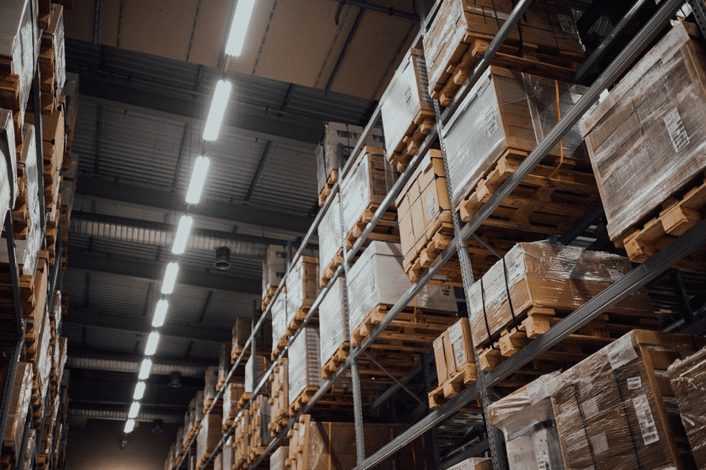
Ecommerce enterprises often use fulfilment centres to store their inventory and prepare orders to be dispatched to customers. Typically, fulfilment centres hold merchandise directly from the manufacturer or supplier of an eCommerce site, which is then kept within the facility. When an order is placed, the fulfilment centre prepares it. This means the purchased items are picked and packed in a box which is set aside to be shipped out later.
Most eCommerce businesses deal with a 3PL that owns and manages fulfilment centres for them because it’s both CapEx and OpEx heavy to set up and run your own fulfilment centre. In other words: It’s expensive to rent a warehouse and hire the necessary staff to pick and package items. For this reason, hiring a third-party service can save costs.
Ecommerce brands benefit from the best of both worlds in this model. They get access to warehouse space for their inventory and can completely outsource time-consuming distribution processes like receiving, stowing, picking, packing, and shipping. In addition, the eCommerce company isn’t responsible for the facility’s rent, maintenance, or labour costs. This means that smaller businesses can still thrive
Why Use Third Party Logistics Services?
Third-party logistics services have become more important than ever for modern eCommerce businesses. Most consumers today expect incredibly fast shipping and delivery, with retail giants such as Amazon setting the standard. Partnering with an established 3PL provider that has its own distribution and fulfilment network offers a competitive advantage with more individualisation and a branded delivery experience.
Ecommerce companies that use an integrated 3PL network solution can save costs, as well as provide fast and effective deliveries to their customers. It also allows them to launch in international markets without needing to go through a lengthy and costly process of setting up their own distribution network. Finally, it can allow businesses to distribute inventory more effectively, making use of data to best meet regional demand and avoid inventory shortages.
The Future of eCommerce
Online shopping is now used by a greater number of people each day, with all kinds of goods being purchased online. Some of the biggest companies in the world are eCommerce platforms, and there are more options than ever for shoppers. As eCommerce has become more popular, the industry has adapted to the changing world.
Today, 3PL solutions are incredibly popular, but the future could see further developments. Some eCommerce companies also make use of 4PL services. These don’t just provide logistical solutions, but they also oversee the management and organisation of the entire supply chain of the companies they work with.
New technology can also be used to improve how eCommerce companies are able to connect to new customers and how they track and measure data. Analytics tools are already commonly used by eCommerce, but as more data becomes available to these companies, they’ll be able to gain new insights into their customers and their spending habits.