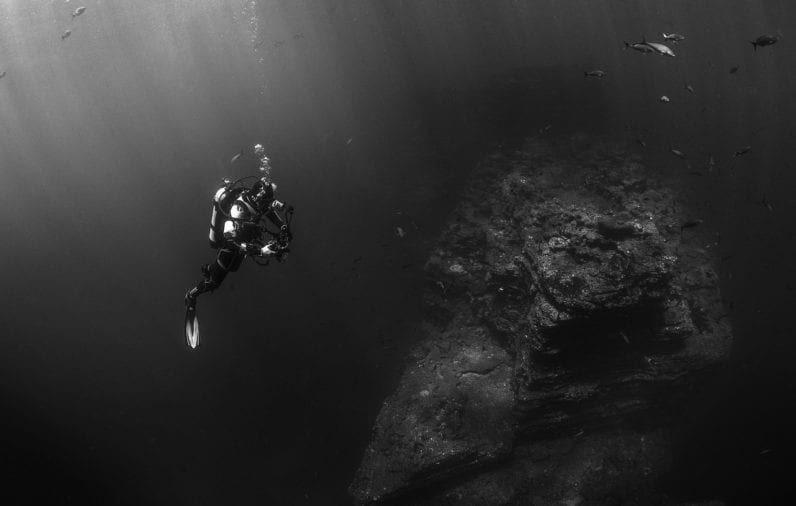
Pursuing a career in deep sea diving can be one of the most exhilarating jobs possible — exploring unspoiled areas in the deep sea that few human eyes have been set on. Likewise, if you venture the deep oceans for recreation, you’re entering areas we know less about than the surface of the moon, Venus, and Mars. However, as interesting as it is, deep sea diving comes with inherent dangers.
Of course, diving is an incredibly fun and fascinating experience, but the dangers aren’t always ones you can see. Those who plunge the Earth’s perilous waters must respect the rules put in place to save lives besides making sure your diving equipment and piston rings are airtight. Here, we’ll discuss the top rules to safely deep-sea dive, including knowing your limits, practising safe ascents, and looking after your teeth.
Follow the bubbles
While deep sea diving, you can be injured if your body doesn’t have time to adjust to the fluctuating pressure of your surroundings, whether this is in water or the air before and after a dive. Slowly ascending is as important as breathing constantly — if you ascend too early, the nitrogen in your body from the deep sea won’t have time to exit the body through the lungs and will expand at such a rate that would subsequently lead to a range of dangerous problems.
A condition called barotrauma occurs when tissues in your body with pockets of air become damaged, such as sinuses, dental roots, lungs, and ears, and can cause lots of pain or rupture your ear drums or lungs, making it incredibly hard to breathe. As you ascend, water pressure decreases and vice versa — when ascending, follow the bubbles you breathe out. Don’t ascend faster than your bubbles or things will get sticky.
Secondly, decompression sickness occurs from premature ascension, where the pressure can result in nitrogen forming bubbles in your body which causes nerve and tissue damage that could end up being fatal or causing paralysis.
Thirdly, and most unnervingly, nitrogen narcosis is when too much nitrogen builds up in the brain and causes you to feel delirious and make bad decisions as if you’ve drank alcohol. For example, you could end up removing your regulator because you think you can breathe underwater or end up being unable to read your gauges and instruments.
Diving guidelines suggest that in order to ascend safely, you must maintain a steady rate no quicker than 30 feet per minute.
Don’t push yourself
Probably the most obvious rule that is often forgotten when we’re enthralled in a diving experience — the most important thing to remember is that diving should be fun, not competitive. Dive within your limits. If you think that you might feel uncomfortable or if the conditions don’t seem safe, don’t be scared to cancel or rearrange at a different site or day. Never attempt something that you know you’re not mentally or physically prepared for because this puts you at risk before you’ve even started.
Similarly, if you’re planning on pursuing a saturation diver career, assess your claustrophobia limits. You’ll be kept in an underwater compression chamber for roughly a month, where you won’t be heading back up to the surface until your time is up. Don’t overestimate your abilities because you could end up in a really uncomfortable situation!
Book a dentist appointment
Horrifyingly, it’s possible for fillings and crowns to blow out of your gum. Saturation diver David Beckett commented: “After a couple of hours of being in the chamber, one of my fillings blew off. Thankfully for me, when it blew off there was no pain, just a hole left where the filling used to sit.
“Others aren’t so lucky. I’ve seen one guy have a crown blow off, taking part of the tooth and gum with it. Painful stuff to have to endure for the next three days.”
Never mind the threat from sharks and barracudas — a survey of recreational divers found that 41 per cent of divers reported intense toothache, caused by fluctuations in water pressure build in air pockets at the roots of teeth. This is often made worse by divers who are inexperienced and clench their teeth or if they have underlying dental conditions, cavities, fractures, or poor fillings. Make sure to book a trip to your dentist to make sure you won’t damage your teeth when diving.
Stay safe while exploring the depths of the oceans. Of course, there’s plenty of fun to be had, but don’t be irresponsible.
Sources
https://myhealth.alberta.ca/Health/pages/conditions.aspx?hwid=abo0894
https://scubadiverlife.com/ten-rules-safe-scuba-diving/
https://www.livescience.com/57362-scuba-diving-linked-to-toothaches.html