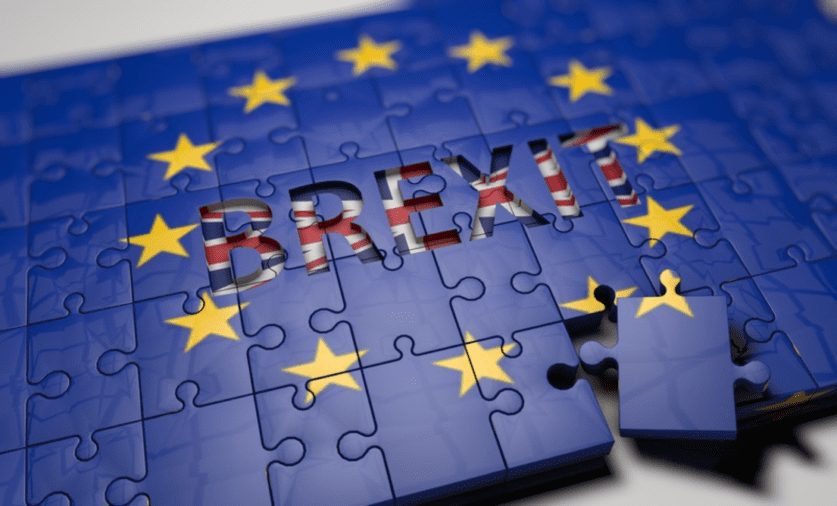
Northern Ireland was clear from the outset that it wanted to remain in the European Union. 55.78% of voters voted to remain, while just 44.22% voted to leave. However, as the UK as a whole voted 51.9% in favour of leaving, the Northern Irish business community has had to prepare to do just that.
Northern Ireland is, many believe, particularly vulnerable to the UK’s departure from the EU when it comes to trade. This is due to both the issue of the land border with Ireland and the extent of trade with the country.
In 2017/18, according to the Northern Ireland Statistics and Research Agency (NISRA), Ireland was Northern Ireland’s top partner country for both the import and export of goods. Northern Ireland exported goods to Ireland with a total value of £3.2 billion during that period, while it imported goods from Ireland worth £2.2 billion.
Germany and France were both also among Northern Ireland’s top five business partners when it came to exports in 2017/18, according to NISRA. The country exported £0.5 billion worth of goods to Germany and £0.4 billion to France. Based on these figures alone, any disruption to trade with Europe could have drastic consequences.
So the business community has been preparing and holding its breath ready for the next steps in the process. But how likely are those steps to follow a neat and orderly path?
Taking a look at the odds on the Brexit date can reveal quite a lot here. The bookies have overwhelming confidence that the UK will leave the EU on 31 January 2020, as per Parliament’s recent decision. At the time of writing, a £10 bet on the UK’s Brexit date being between January and June 2020 would deliver a profit of just 20p, while staking £10 on the departure falling between July and December 2020 could lead to a potential profit of £540.
 Source: Pixabay
For those in the business community who were hoping for some kind of remain-based saviour to appear, the odds are pretty poor. At present, the odds of there being a Brexit-based EU Referendum before 2021 stand at 23/1. The odds of Article 50 being revoked, meanwhile, stand at 99/1.
Where the odds become more interesting is how long it will take the UK to negotiate the trade deals that it needs with the EU and the rest of the world. These deals will have a huge impact on businesses in Northern Ireland (and the rest of the UK).
Given the political wrangling it has taken to get to the current point, believing that the UK will have agreed the trade deal it needs with the EU by the end of 2020 seems a little farfetched. However, the Withdrawal Agreement Bill passed in December 2019 rules out any extension of the Brexit transition period beyond that time. As such, the odds of a hard Brexit seem pretty high. In the words of Irish PM Leo Varadkar, Boris Johnson has “fixed on a harder Brexit than we anticipated.” For the Northern Ireland business community, it looks like 2020 is time to batten down the hatches.