Energy efficiency has become a central concern for homeowners across the capital. With rising energy costs and increasing awareness of environmental impact, improving your property’s energy performance offers both financial savings and reduced carbon footprint. London’s diverse housing stock, from Victorian terraces to modern apartments, presents unique challenges and opportunities for energy improvements.
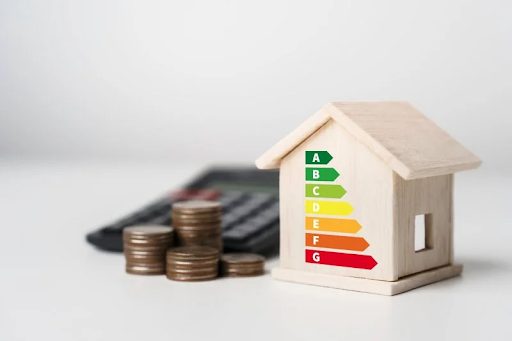
Every residential property in England and Wales has an Energy Performance Certificate that rates its energy efficiency from A to G. These certificates provide valuable insights into where your home loses energy and what improvements could make the biggest difference. Understanding your current rating is the essential first step toward making meaningful changes.
Assessing Your Current Energy Usage
Before making improvements, homeowners should understand how their property currently consumes energy. Reviewing twelve months of utility bills reveals patterns in consumption and highlights seasonal variations. Many London residents notice their heating costs spike during winter months, indicating poor insulation or inefficient heating systems.
Simple observations around your home can reveal energy inefficiencies. Cold spots near windows, draughts under doors, and rooms that never seem to reach comfortable temperatures all signal areas needing attention. Damp patches or condensation problems often indicate poor ventilation combined with inadequate heating, common issues in older London properties.
Professional assessments provide comprehensive evaluations of your property’s energy performance. An accredited assessor will examine your home’s construction, insulation, heating systems, and lighting to produce a detailed report with tailored recommendations. Arranging an EPC Certificate in London assessment gives homeowners a clear roadmap for improvements based on their specific property characteristics.
Improving Insulation and Heat Retention
Heat loss represents the single biggest drain on domestic energy consumption. In typical London homes, approximately twenty-five percent of heat escapes through the roof, making loft insulation one of the most cost-effective improvements available. Installing or upgrading insulation to recommended depths can significantly reduce heating requirements and pay for itself through reduced bills within a few years.
Wall insulation offers substantial benefits, though the appropriate solution depends on your property type. Solid walls, common in pre-1919 London housing, require different approaches than cavity walls. External insulation, internal insulation, and insulated plasterboard each suit different circumstances and budgets. While these improvements require greater investment than loft insulation, the long-term savings and comfort improvements justify the expense for many homeowners.
Floor insulation, particularly for suspended timber floors common in Victorian and Edwardian properties, prevents cold air from entering living spaces. This improvement often goes overlooked but can transform the comfort of ground-floor rooms while reducing heating demands.
Upgrading Windows and Draught-Proofing
Original sash windows contribute significantly to London’s architectural character, yet single glazing allows substantial heat loss. Secondary glazing offers a sympathetic solution for period properties, providing insulation benefits without compromising historic appearance. Modern double or triple glazing suits newer properties and delivers superior thermal performance.
Draught-proofing represents one of the most affordable and immediate improvements available. Sealing gaps around windows, doors, floorboards, and skirting boards prevents cold air infiltration and reduces the heating required to maintain comfortable temperatures. Professional draught-proofing services use discreet techniques that preserve your property’s appearance while improving comfort.
Letterboxes, keyholes, and cat flaps often create unnoticed draughts. Simple covers and brushes address these overlooked sources of heat loss. Chimneys in unused fireplaces act as conduits for warm air escape, and chimney balloons or caps provide inexpensive solutions.
Modernising Heating Systems
Boiler age and efficiency significantly impact energy consumption. Modern condensing boilers convert far more fuel into usable heat than older models, potentially reducing gas bills by substantial margins. The government’s Boiler Upgrade Scheme supports homeowners transitioning to low-carbon heating systems, and full details of available support can be found at gov.uk .
Heating controls enable more efficient system operation. Programmable thermostats allow different temperatures for different times of day, ensuring heating operates only when needed. Thermostatic radiator valves provide room-by-room temperature control, preventing overheating in less-used spaces. Smart heating systems offer sophisticated scheduling and remote control, adapting to your lifestyle while minimising waste.
Underfloor heating, increasingly popular in London renovations, operates at lower temperatures than traditional radiators while providing comfortable, even warmth. This system pairs particularly well with heat pumps, an emerging technology for low-carbon domestic heating.
Lighting and Appliance Efficiency
Lighting accounts for a significant portion of household electricity consumption. Replacing traditional bulbs with LED alternatives reduces lighting energy use by up to ninety percent while providing superior longevity. Modern LED options offer warm colour temperatures that replicate traditional lighting without the energy penalty.
When replacing appliances, energy ratings guide purchasing decisions. The revised energy labelling system, reintroduced A-G ratings to replace the previous A+++ to D scale, makes comparisons clearer. Choosing efficient models for frequently used appliances like refrigerators, washing machines, and televisions generates ongoing savings.
Simple behavioural changes complement physical improvements. Turning off lights when leaving rooms, avoiding standby modes on electronics, and running washing machines at lower temperatures all reduce consumption without requiring investment.
Renewable Energy Considerations
Solar panels have become increasingly viable for London properties despite the capital’s reputation for cloudy weather. Modern panels generate electricity even in diffuse light conditions, and battery storage systems allow homeowners to use solar power when generation is low. Feed-in tariffs may no longer be available, but reduced electricity bills and the Smart Export Guarantee provide financial returns.
Solar thermal systems specifically address hot water heating, reducing the gas or electricity required for this significant energy demand. These systems prove particularly effective during summer months when solar gain is highest but hot water requirements remain constant.
Conclusion
Improving your property’s energy performance combines immediate comfort benefits with long-term financial and environmental advantages. Whether undertaking major improvements like insulation and heating system upgrades or implementing simple draught-proofing and behavioural changes, every action contributes to reduced consumption and enhanced living conditions.
For London homeowners, understanding your property’s specific challenges and opportunities is essential. The diverse architectural heritage across the capital means that solutions effective in one property may not suit another. Professional assessment ensures that investment targets the most impactful improvements for your particular circumstances.
Energy efficiency improvements often intersect with broader property maintenance and safety considerations. Many older London properties contain materials that require careful management during renovation work.
Image Source: Yandex.com