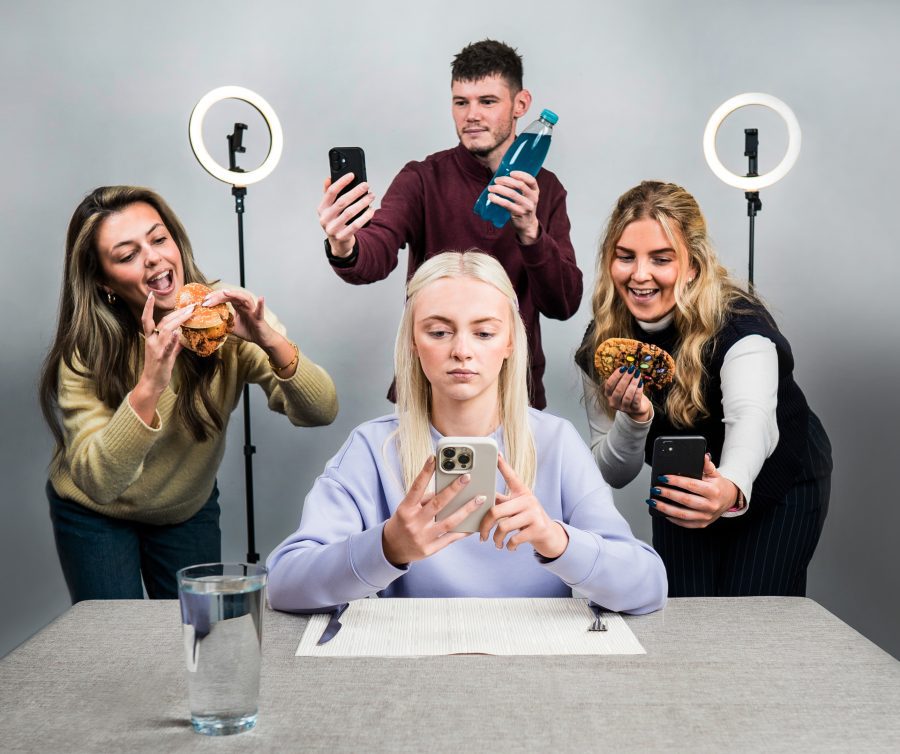
Just weeks after the UK Government’s historic ban on paid-for online junk food advertising, a major new report from Safefood has revealed that children and teenagers in Northern Ireland were previously exposed to unhealthy marketing at a rate of roughly one post every four minutes.
The study, Our Kids’ Exposure to Unhealthy Food Marketing Online, confirms the urgent necessity of the UK’s new January 2026 ban on paid-for online junk food advertising. The research reinforces the deep need to protect children from the effects of advertising of unhealthy foods online and highlights the importance of including influencer content in the legislation.
Safefood
The report, which highlights research carried out from May 2022 to October 2024. Our Kids’ Exposure to Unhealthy Food Marketing Online, was launched at the All-Island Obesity Action Forum in Belfast on 24 February 2026. It examines the exposure of children to digital marketing of foods high in fat, sugar and salt and how this exposure is shaping young people’s preferences, behaviours and consumption. The study, which includes screen capture, aligns with findings from similar studies in Australia, Canada and Mexico.
Joanne Uí Chrualaoich, Safefood CEO, commented: ” The findings of this research provide the vital evidence base underpinning the importance of the landmark UK advertising ban introduced on 5th January 2026.The research shows for the first time on the island of Ireland, the volume of unhealthy food marketing children were seeing online. The study notes the impact of this exposure on their food preferences, purchase requests and ultimately their dietary choices. Parents described the findings as worrying and we echo that sentiment – this is worrying”
The research estimated that a child spending two hours a day on social media was exposed to up to 11,000 unhealthy food marketing posts annually. For those engaging for 4.5 hours daily, this figure rose significantly to over 30,000 advertisements each year. Almost 96% of the foods advertised to children online did not meet the criteria for marketing to children under WHO guidelines.
The report highlights that children frequently responded to digital food marketing examples with feelings of hunger or thirst, and with pleasure, enjoyment or enthusiasm. Meanwhile, parents were largely unaware of this high level of exposure, often believing their children are largely immune to the effects of such marketing. After viewing examples of what children were seeing online, parents said they felt the examples were manipulative, including words like subtle, clever and insidious.
The research also revealed that teenagers viewed food marketing posts from influencers for substantially longer than other food content – an average of 15 seconds per post. They also engaged with influencer food marketing posts much more frequently than other food content – 44% of influencer posts compared to 7.5% of paid ads, demonstrating their significant impact.
Aileen McGloin, Director of Nutrition at Safefood, said: ” This new ban is a vital step in breaking that cycle and prioritising child health over commercial reach. We found it very striking that influencer advertising was capturing children’s attention for 5 times longer than traditional paid ads. Children don’t identify this as marketing but rather see it as engaging or fun content from someone that they trust. This was a clear example that the child’s interests and interactions online drive the amount of this unhealthy content that they are exposed to.”
McGloin continued “This research, the ban, its enforcement and a wider public awareness are all important elements of moving away from the status quo where children see an ad for unhealthy food every 4 minutes whilst online”.
*This extensive exposure is based on a conservative estimate that includes only paid, owned and influencer marketing.