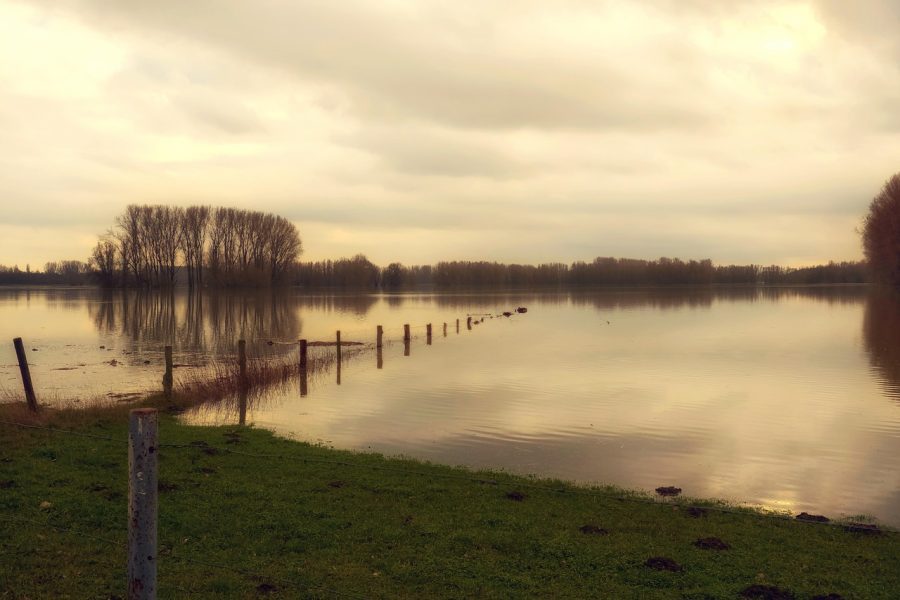
Building in an area with a high flood risk can feel overwhelming. Councils are cautious, rules are strict, and approvals take time. But development is possible if you understand the process and work with the right experts.
This guide explains how to get development approval in flood-prone areas in a clear, practical way, with a strong focus on the role of flood risk consulting.
Why Flood Risk Matters in Planning Decisions
Flooding can damage homes, businesses, roads, and public services. Because of this, planning authorities must ensure new developments do not:
- Put people in danger
- Increase flood risk for nearby properties
- Harm drainage systems or natural waterways
When land is marked as high flood risk, councils apply extra checks before giving approval. These checks are not meant to stop development completely, but to make sure it is safe, resilient, and responsible.
Understand Your Flood Risk Zone First
Before applying for approval, you need to know exactly how flood risk affects your site. This usually includes:
- River flooding
- Surface water flooding
- Coastal flooding (if near the coast)
- Groundwater flooding
Flood maps give a starting point, but they are often broad and conservative. This is where flood risk consulting becomes essential. A consultant can assess your specific site conditions rather than relying only on general maps.
The Importance of a Flood Risk Assessment (FRA)
A Flood Risk Assessment is the key document councils use to judge whether your project can move forward. In high-risk areas, an FRA is not optional.
A strong FRA will explain:
- The type and level of flood risk on the site
- How the development avoids or manages that risk
- How flood water will move during extreme events
- How people can safely access and exit the site during floods
Professional flood risk consulting ensures this document is accurate, clear, and tailored to planning requirements. A weak or generic FRA is one of the most common reasons for refusal.
Apply the “Sequential and Exception” Tests
Most planning systems use a two-step approach for flood-prone development.
The Sequential Test
This checks whether the development could be built in a lower-risk area instead. You may need to show that no suitable alternative sites exist.
The Exception Test
If the risk cannot be avoided, you must prove that:
- The development provides wider benefits to the community
- It will be safe for its lifetime, even during severe floods
Flood risk consulting professionals help prepare the evidence needed to pass these tests without unnecessary delays.
Design the Development to Reduce Risk
Good design can turn a risky site into an acceptable one. Councils look closely at how flood risk is managed through design features such as:
- Raising floor levels above flood heights
- Using flood-resistant building materials
- Adding safe escape routes and access points
- Designing landscapes that absorb water naturally
Instead of fighting water, modern planning encourages working with it. A flood risk consultant can guide architects and engineers so safety measures are built into the design from the start.
Use Sustainable Drainage Systems (SuDS)
Surface water flooding is a major concern in new developments. Sustainable Drainage Systems help control how rainwater flows and drains.
Common SuDS features include:
- Permeable paving
- Swales and shallow channels
- Rain gardens and retention basins
- Green roofs
These systems reduce pressure on drains and lower flood risk nearby. Councils often expect SuDS to be included, especially in high-risk zones. Flood risk consulting ensures these systems are sized correctly and meet local standards.
Work Early with Local Authorities
Early discussions with planning officers and flood authorities can save months of delays. Sharing early flood studies and design ideas helps identify issues before a formal application is submitted.
Flood risk consulting teams often handle these conversations, speaking the same technical language as regulators. This reduces misunderstandings and builds confidence in the proposal.
Prepare for Conditions and Long-Term Management
Even when approval is granted, it often comes with conditions. These might include:
- Flood warning systems
- Emergency flood plans
- Ongoing maintenance of drainage features
Planning authorities want reassurance that flood safety will last for decades, not just at the approval stage. A good flood risk consultant helps prepare management plans that are realistic and easy to follow.
Why Flood Risk Consulting Makes the Difference
Trying to navigate flood regulations alone often leads to refusals, redesigns, and wasted money. Flood risk consulting provides:
- Accurate site-specific risk analysis
- Clear, council-ready Flood Risk Assessments
- Practical design solutions that support approval
- Faster communication with regulators
Most importantly, it helps protect future occupants while keeping projects viable.
Final Thoughts
Developing in areas of high flood risk is challenging, but it is not impossible. Success depends on understanding the risks, respecting planning rules, and taking a professional, evidence-based approach.
With expert flood risk consulting, developers can move from uncertainty to approval with confidence, creating projects that are safe, sustainable, and built to last.