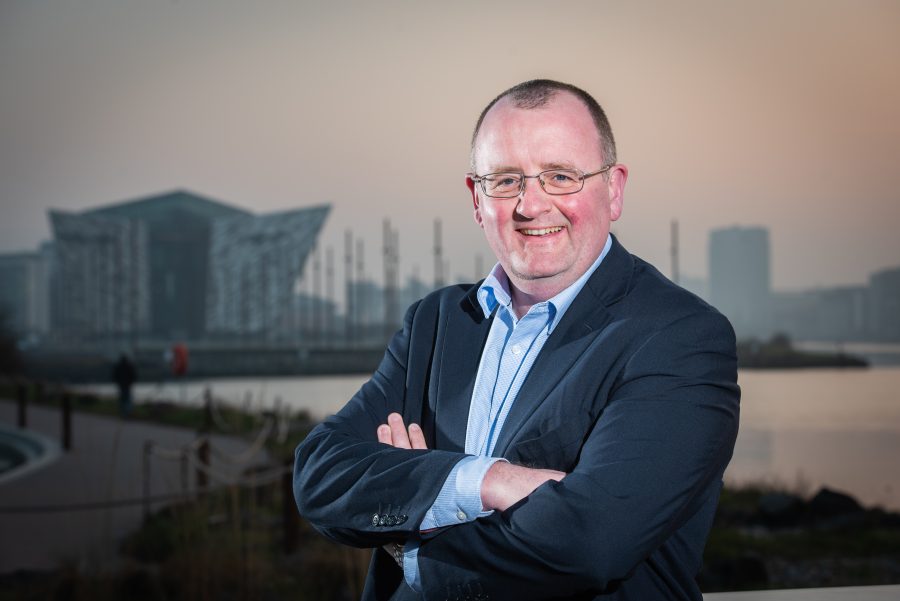
The chill in the air isn’t just seasonal—it’s fiscal. All signs now point to a tough Budget from Chancellor Rachel Reeves, who appears to have little choice but to raise taxes again as she seeks to balance credibility with constraint, writes Ross Boyd, Founder and Director, RBCA Chartered Accountants
The heavily trailed shift in tone from the Treasury, referencing “tough decisions” and “restoring stability”, signals what many in business already feared: that higher taxes, particularly on income and wealth, are now inevitable. With public debt at historic highs and limited scope for borrowing, Reeves faces the same uncomfortable equation that has haunted her predecessors—how to fund public services the government desires without derailing growth completely. Some would say it isn’t possible. Especially if we all recognise the obvious point here. Growth comes from the private sector, and no amount of public spending will change that.
Frankly, for Northern Ireland’s business owners, the mood is weary. Many are still absorbing the impact of last year’s fiscal tightening, rising costs, and softening demand. Another round of tax increases could further undermine confidence particularly amongst entrepreneurs, family-run and owner managed businesses who are already battling inflation and wage pressures. Agricultural and rural businesses feel completely alienated.
Markets may welcome fiscal discipline, but even they are becoming wary of the tax and spend journey of this Government. The hope within the business community is that any tax rises will be targeted and temporary paired with meaningful reforms to boost productivity and simplify the tax landscape. The reality is that whatever the Chancellor does it will likely compound stagnation unless incredibly well deployed.
As the 26 November Autumn Budget approaches, the challenge for Rachel Reeves is no longer simply economic, she now needs to consider the psychological. I hope she is acutely aware that there is no feel-good factor in the private sector. Businesses need a reason to invest, to hire, to take risks again or even work hard. That won’t come from more fiscal drag or complex new levies—it comes from a clear and consistent plan for sustainable growth and moderate simple taxation.
In truth, her options seem to be narrowing fast. Corporation Tax increases have likely reached their limit without stifling investment, and stealthy tax threshold freezes have already dragged millions into higher bands but will probably be extended. That leaves one real politically unpalatable but economically unavoidable path: raising income tax. This is the most direct lever available to generate the necessary revenue at scale, and while deeply unpopular in the corridors of power at Westminster, it reflects the fiscal reality of a government that has painted itself into a corner, constrained by both debt and expectations. VAT and further NIC changes seem less attractive. Latest briefings indicate that the Chancellor may be unwilling to grasp this nettle and instead opt for a complex and unsavoury mixed bag of other taxes.
For now, the temperature is dropping, and business sentiment has followed suit. The Chancellor’s “tough decisions” may steady the markets, but on the high streets and in the boardrooms of Northern Ireland, there’s a growing sense that another long winter of fiscal discontent has begun.
I speak to business owners every day and they are focused on doing everything they can to make their enterprises work. They don’t expect anything helpful in the Autumn Statement, in fact many don’t think things will change in the economy until there is a change in Government.