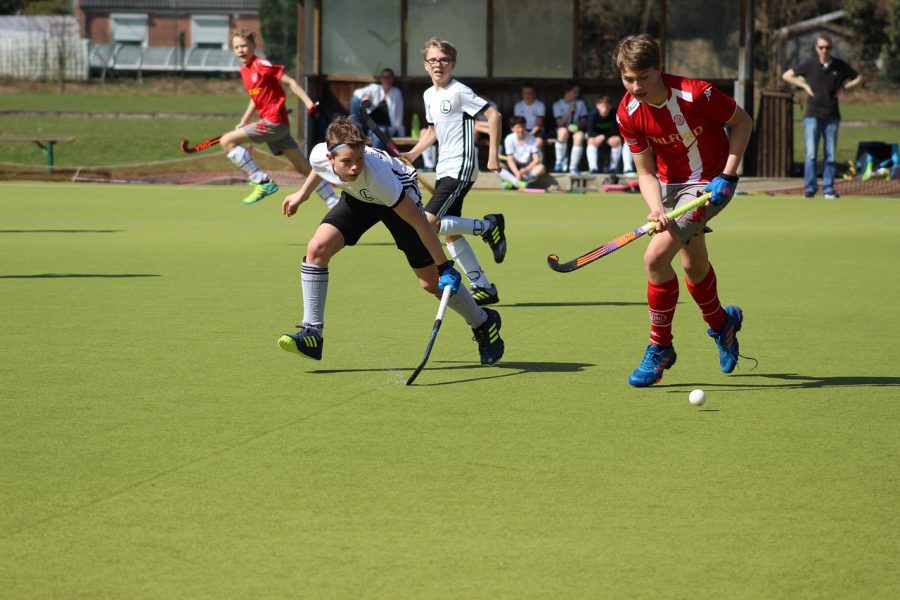
Field hockey is a sport that demands physical stamina, sharp tactical awareness, and mental fortitude. Whether it’s the pressure of tournament play, a long recovery from injury, or the grind of early morning training, the ability to bounce back—resilience—is what separates good athletes from great ones.
Resilience isn’t exclusive to the pitch. Some of the most valuable lessons come from those who’ve overcome life-changing challenges far beyond the sporting arena. Listening to these stories doesn’t just inspire—it reframes how we approach setbacks, leadership, and perseverance in sport.
Here’s what every hockey player can take away from true stories of resilience—and how they can influence your game, your mindset, and your team culture.
Resilience Is Not Just Physical—It’s Mental and Emotional
It’s easy to associate resilience with physical strength, especially in a sport as fast-paced and demanding as hockey. But true resilience starts in the mind.
Consider Darren Edwards speaker, a former Army Reservist and endurance athlete who was paralysed from the chest down following a climbing accident. His life was completely reshaped overnight. Yet instead of giving up, Darren went on to become a world-record-breaking adaptive adventurer, pushing boundaries in ways most able-bodied athletes wouldn’t attempt.
His journey offers a crucial message for hockey players: resilience isn’t about avoiding difficulty—it’s about choosing how you respond. After a tough match, a string of defeats, or a personal challenge, the decision to keep showing up is what defines you.
A Strong Mindset Is Just as Important as a Strong Skillset
At the elite level, many players have comparable technical ability. What often makes the difference is mindset.
Stories like Darren’s show the power of reframing adversity as fuel rather than failure. That same mindset can benefit hockey players recovering from injury, navigating selection disappointments, or coping with the emotional highs and lows of the game.
Developing mental resilience through goal setting, positive self-talk, and learning from setbacks is every bit as vital as fitness drills or stick work. Like any skill, it improves with training.
Leadership in Sport Mirrors Leadership in Life
Resilience stories often reveal how people lead under pressure, without a whistle or armband. In hockey, captains and senior players play a critical role in setting the tone during difficult moments, whether it’s rallying a team after conceding a last-minute goal or keeping heads high after a loss.
Hockey teams that thrive under pressure often reflect the emotional composure of their leaders—something that can be learnt, modelled, and strengthened over time.
Recovery Is Part of Performance, Not a Detour From It
For many players, being benched through injury or illness feels like failure. Resilience stories teach you that setbacks can be a starting point for growth. Darren Edwards turned life-altering trauma into a new mission, proving that recovery can also lead to reinvention.
Hockey players need to see rest, rehab, and reflection not as detours but as critical aspects of their development. Whether you’re working through injury, burnout, or personal challenges, recovery done right often builds stronger, more self-aware athletes.
Purpose Beyond the Pitch Strengthens Performance On It
Athletes who build a sense of purpose beyond their results often enjoy longer, more sustainable careers. That purpose might come from mentoring younger players, engaging in charity work, or finding inspiration in those who’ve faced adversity head-on.
When you hear someone like Darren speak, you realise that resilience isn’t just about enduring—it’s about finding meaning in the challenge. That perspective makes you a better player, teammate, and competitor.
Final Whistle
Field hockey is as much a test of mindset as it is of skill. Listening to true resilience stories offers a powerful lens through which to view adversity. They show us that setbacks don’t define us—our response does.
So the next time your team faces a tough loss, your training feels like a slog, or you’re working your way back from injury, remember: resilience is already within you. And like every other part of your game, it can be trained, strengthened, and passed on.