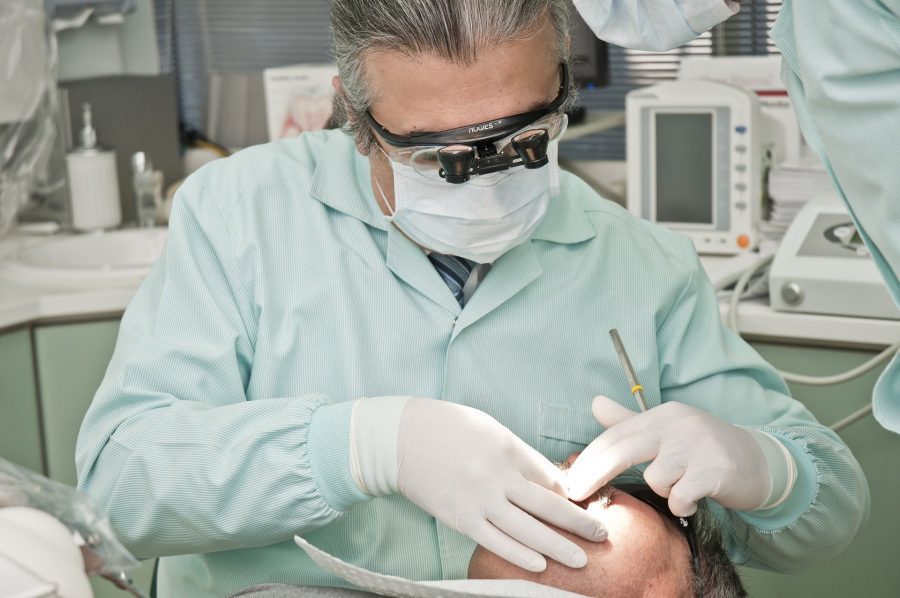
When you think of a perfect smile, you probably picture gleaming white teeth, aligned just right. But behind that smile is a world many rarely consider – one where skilled technicians, advanced technology, and meticulous processes come together in dental laboratories to make dental restorations not only functional but flawless.
Dental labs play a crucial role in modern dentistry. While dentists are the face of patient care, labs are the engine room – designing and crafting crowns, bridges, veneers, dentures, and implants with high levels of detail and accuracy. These products don’t come off an assembly line; each one is custom-made to match the individual patient’s anatomy, bite, and even smile aesthetics.
That level of customization calls for extreme precision and a reliable process, as shown in the following article.
The Power of Workflow
A major takeaway from dental labs is how deeply they rely on standardized, yet flexible, workflows. From receiving the dentist’s impression to the final polish of a crown, every step is part of a controlled system. Even minor deviations can lead to ill-fitting restorations, discomfort, or repeat work.
This dedication to a defined process is a lesson businesses in other industries can learn from. Clear steps, quality control at every phase, and accountability among team members allow for consistently excellent outcomes. And when issues do arise, the structured process makes it easier to identify and correct the problem.
Precision is Not Optional
In dental labs, precision is everything. A crown that’s just a fraction of a millimeter too high can cause discomfort or long-term damage. That’s why labs use cutting-edge tools like digital scanners, CAD/CAM software, and 3D printers to ensure measurements are accurate to the micron. These tools help reduce human error, speed up turnaround times, and deliver better results.
What’s more, this culture of precision extends beyond technology. Skilled technicians hand-finish restorations, colour-match enamel, and fine-tune contours – all requiring an artist’s eye and a steady hand. It’s a balance of science and craftsmanship that ensures the final product doesn’t just function well but looks entirely natural.
A Model of Collaboration
Another key strength of dental labs is collaboration. Dentists and lab technicians must communicate clearly and work closely to meet the needs of each patient. Digital workflows have enhanced this, allowing for faster feedback, real-time adjustments, and improved accuracy. Businesses looking to strengthen team performance or improve client relationships could take a page from this collaborative approach.
You can see how advanced and refined these processes are by exploring godigital-dental.com, a modern dental laboratory embracing technology to deliver efficient, high-quality results. Their use of digital tools and emphasis on precision reflect the industry’s commitment to innovation and excellence.
Final Thoughts
Behind every confident smile is more than good oral hygiene – it’s the result of a high-functioning, detail-driven ecosystem where process and precision reign. Whether you’re in manufacturing, healthcare, or design, lessons can be learned from dental labs: that success comes from combining cutting-edge tools, expert craftsmanship, and a commitment to doing the job right the first time. So next time you flash a smile, remember: there’s a whole world of excellence behind it.