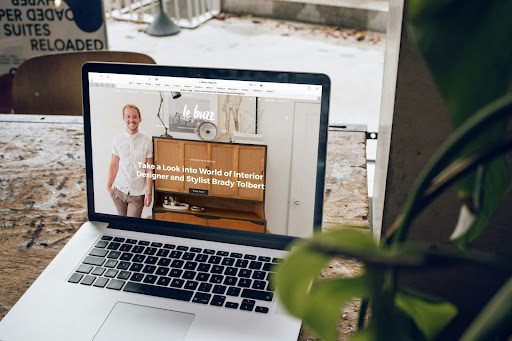
Artificial intelligence is steadily weaving its way into the fabric of UX design, offering tools and processes that enhance creativity, streamline workflows, and enable a more tailored user experience. By automating routine tasks, AI liberates designers to invest more energy into understanding user behavior, refining creative strategies, and driving innovative solutions that truly resonate on a personal level, thereby transforming the design landscape. As we look ahead, it’s clear that AI is not replacing designers but rather empowering them to focus on the strategic, human-centric aspects of their work.
Elevating Efficiency and Creativity
Modern AI tools are taking over repetitive tasks that once consumed precious time. For instance, platforms like Figma’s “First Draft” and Uizard can quickly generate wireframes and prototypes based on simple text prompts. These tools let designers move from rough sketches to refined concepts in a matter of minutes, allowing more time to be devoted to understanding user needs and refining the experience.
Generative AI is also making headway in image production. Tools such as Midjourney and Galileo AI transform textual descriptions into visual assets that can serve as mood boards or unique icon sets. In addition, a tool like CGDream can be used practically to create immersive backgrounds for virtual product demos or to generate striking visuals for marketing campaigns—Visit cgdream.ai for AI Images to see how it can add a new dimension to your creative projects.
Shifting the Designer’s Role
The integration of AI into UX design is prompting a notable shift in responsibilities. Rather than getting bogged down by routine tasks like resizing images or drafting initial layouts, designers are now able to concentrate on the core elements that truly affect user satisfaction:
- Strategic Innovation: With AI handling data analysis and repetitive tasks, designers can focus on crafting intuitive user journeys and innovative features.
- User Empathy: While AI excels in processing large datasets and predicting behaviors, it cannot replicate the nuanced human touch. Designers remain essential in translating complex user emotions into meaningful design decisions.
- Enhanced Collaboration: AI tools are acting as collaborative assistants. For example, Miro Assist can automatically summarize and group content during brainstorming sessions, while ChatGPT helps generate initial drafts for user personas and competitor research.
Practical Applications in UX
Across industries, AI is proving its worth by making user experiences more adaptive and personalized. In architectural design, firms like Zaha Hadid Architects now use AI-powered software to generate intricate, photorealistic visualizations in a fraction of the time it used to take. In digital product design, AI aids in optimizing layouts by analyzing user interactions and generating heatmaps, enabling designers to fine-tune their interfaces for better usability.
Furthermore, embracing an adaptable UI/UX approach has become essential as interfaces now need to adjust seamlessly to different user contexts and device types, ensuring a consistent and engaging experience for everyone.
Looking Ahead
The future of UX design is poised for even deeper integration of AI as technology continues to advance. We can expect to see more robust personalization features driven by predictive analytics, where interfaces evolve in real time based on user behavior and context. As AI models become more sophisticated, they will not only support design processes but also help anticipate user needs before they even articulate them. This evolution will likely foster more dynamic and adaptable design systems that cater to a diverse user base.
Moreover, the collaboration between human creativity and AI precision is set to refine the design process further. Designers will have access to real-time insights and automated optimizations that free them to focus on creativity, strategy, and empathy. As AI tools become more integrated into everyday workflows, businesses across sectors—from digital products to architecture—will harness these capabilities to enhance user engagement and satisfaction. This balanced partnership promises not just efficiency gains but also a richer, more intuitive user experience that evolves alongside technological innovation.
In summary, while AI tools are reshaping aspects of the design process, they are best viewed as powerful assistants that allow UX professionals to concentrate on what matters most: creating user experiences that resonate on a human level. The future of UX is indeed more intelligent, but it’s the combination of human creativity and AI precision that truly defines success.