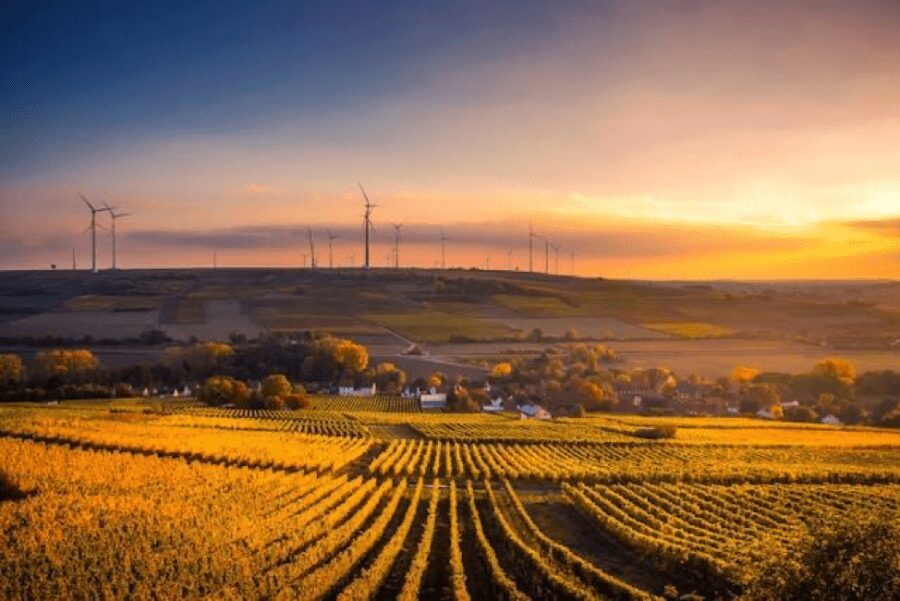
As the world continues to combat climate change and environmental degradation, green innovations are becoming the most crucial next step to survive and mitigate results. In 2025, we are witnessing an exciting array of advancements that are reshaping industries, improving sustainability, and offering lucrative business opportunities. In this article we are going to be discovering the most promising green innovations expected to define the year, focusing on cutting-edge technologies, industry trends, and real-world applications.
1. Next-Generation Renewable Energy
Renewable energy has always been a major focus for sustainability, but in 2025, sustainability advancements are making it even more efficient and accessible. Some of the key trends include:
- Perovskite Solar Cells: These next-generation solar panels offer higher efficiency and lower production costs than traditional silicon-based cells, making solar power more affordable for businesses and households.
- Floating Wind Farms: Offshore wind power is expanding with floating wind turbines that can be deployed in deeper waters, increasing energy generation potential without occupying valuable land space.
- Hydrogen Energy Expansion: Green hydrogen, produced using renewable energy sources, is emerging as a viable solution for energy storage and transportation, reducing reliance on fossil fuels.
2. Sustainable Agriculture and Food Tech
Feeding an ever growing population while minimizing environmental impact is a major challenge. Attempts also face significant political challenges but new innovations are transforming agriculture:
- Vertical Farming & Controlled Environment Agriculture: Urban vertical farms use less land and water while producing fresh, pesticide-free crops year-round.
- Lab-Grown Meat & Plant-Based Alternatives: As demand for sustainable protein sources rises, plant-based and cultured meats are becoming more mainstream, reducing greenhouse gas emissions and land use associated with livestock farming. The next step would be the perception change around these alternative sources of protein as the public hold traditional sources close to their heart for cultural and historical reasons.
- AI-Powered Precision Farming: Artificial intelligence is optimizing irrigation, fertilizer use, and pest control, increasing efficiency and reducing waste in agricultural practices. If the usage can find its way to mainstream the impact could be monumental.
3. Eco-Friendly Materials and Circular Economy
Waste reduction and sustainable materials are gaining momentum in multiple industries, with these key trends:
- Biodegradable & Recyclable Packaging: Companies are moving away from single-use plastics, using materials like mushroom-based packaging and seaweed wraps that decompose naturally.
- Textile Innovations: Sustainable fabrics, including bioengineered leather and recycled polyester, are revolutionizing the fashion industry, reducing environmental footprints.
- Waste-to-Resource Technologies: Innovations that turn waste into new products, such as plastic-to-fuel conversion and biodegradable electronics, are helping to create a circular economy where materials are reused rather than discarded. This could be a major step in changing the current landscape.
4. Smart Cities & Green Infrastructure
Urban areas are adopting smart, eco-friendly technologies to reduce emissions and improve sustainability:
- Net-Zero Buildings: Advancements in energy-efficient architecture, including solar glass windows and smart insulation, are making self-sustaining buildings a reality. However the transition is still a long process with the preexisting buildings.
- Sustainable Transportation: The expansion of electric and hydrogen-powered vehicles, alongside smart traffic management systems, is significantly reducing urban carbon footprints.
- Green Roofs & Urban Reforestation: Cities are investing in rooftop gardens and reforestation projects to enhance biodiversity, improve air quality, and mitigate the urban heat island effect.
5. Carbon Capture and Climate Tech
Addressing carbon emissions is a major priority, and 2025 sees significant progress in climate-focused technologies:
- Direct Air Capture (DAC): Companies are developing large-scale carbon capture systems that remove CO2 directly from the atmosphere for storage or reuse in industrial processes.
- Carbon-Neutral Cement & Construction Materials: Innovations in cement production, such as carbon-negative concrete, help reduce the environmental impact of infrastructure development.
- Blockchain for Carbon Offsetting: Blockchain technology is being used to enhance transparency in carbon credit trading, ensuring accountability in sustainability initiatives.
6. Green Finance & ESG Investments
Sustainable investing is no longer just a trend; it is becoming a fundamental part of business strategy:
- Green Bonds & ESG Funds: Financial institutions are prioritizing investments in renewable energy, sustainable agriculture, and clean technology.
- Corporate Sustainability Reporting: Businesses are increasingly held accountable for their environmental impact, with stricter regulations and greater transparency requirements.
- Carbon Pricing & Incentives: Governments and organizations are implementing carbon taxes and incentives to encourage eco-friendly practices across industries.
The Future of Green Innovation
The green innovations of 2025 are shaping a more sustainable future, with advancements spanning renewable energy, agriculture, materials, urban infrastructure, climate tech, and finance. These trends not only help combat climate change but also create new business opportunities for forward-thinking companies. As sustainability becomes a top priority, embracing these innovations will be key to ensuring a greener, more prosperous world for future generations.