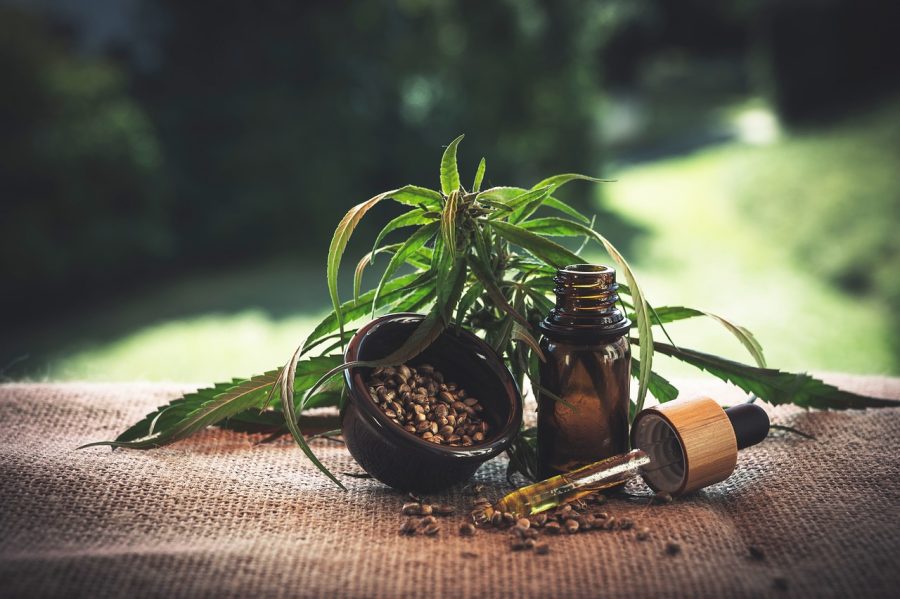
As cannabis gains widespread acceptance for medicinal and recreational use, two compounds—tetrahydrocannabinol (THC) and cannabidiol (CBD)—stand out for their potential health benefits. While both originate from the cannabis plant, they have distinct effects on the body and mind. This article compares THC and CBD to determine which is better for health, exploring their differences, benefits, risks, and considerations for use.
THC vs. CBD: Evaluating Their Health Benefits
THC and CBD interact with the body’s endocannabinoid system (ECS), which regulates functions such as pain, mood, appetite, and sleep. However, they produce different effects due to their unique chemical structures.
- THC is the primary psychoactive compound in cannabis, responsible for the “high” associated with marijuana use.
- CBD, on the other hand, is non-psychoactive and is often used for therapeutic benefits without intoxication.
Both compounds have medicinal properties, but the choice between them depends on individual health needs and legal considerations.
Key Differences Between THC and CBD
While THC and CBD share similarities, their effects, legality, and applications vary significantly.
Chemical Composition and Psychoactivity
THC and CBD have the same molecular formula (C₂₁H₃₀O₂), but their atoms are arranged differently, leading to distinct effects on the body.
| Property | THC | CBD |
| Psychoactive? | Yes – Produces a “high” | No – Non-intoxicating |
| Interaction with ECS | Binds directly to CB1 receptors | Indirectly affects CB1 and CB2 receptors |
| Common Use Cases | Pain relief, nausea, appetite stimulation | Anxiety, inflammation, epilepsy |
This structural difference explains why THC alters perception and cognition, while CBD offers therapeutic benefits without impairment.
Legal Status and Accessibility
The legality of THC and CBD varies globally:
- CBD derived from hemp (containing less than 0.3% THC) is federally legal in the U.S. and many other countries.
- THC remains restricted in various regions, except in areas where cannabis is legalized for medical or recreational use.
Before purchasing cannabis products, it is essential to understand local regulations. In places where it’s legal, consumers can easily buy weed online or from licensed dispensaries.
Health Benefits of THC and CBD
Both THC and CBD offer unique therapeutic benefits, making them valuable for treating different conditions.
Therapeutic Uses of CBD
CBD is widely recognized for its anti-inflammatory, neuroprotective, and anxiolytic properties. Common uses include:
- Epilepsy – FDA-approved Epidiolex treats seizures associated with Dravet syndrome and Lennox-Gastaut syndrome.
- Anxiety & Depression – Helps reduce stress, promotes relaxation, and enhances mood stability.
- Chronic Pain & Inflammation – Effective for arthritis, multiple sclerosis, and nerve pain.
- Sleep Disorders – Supports better sleep by reducing anxiety and improving relaxation.
CBD is well-tolerated, making it a safer option for long-term use.
Therapeutic Uses of THC
THC is primarily used for pain relief, nausea control, and appetite stimulation. It is particularly beneficial for:
- Chronic & Neuropathic Pain – Helps patients with conditions like fibromyalgia and multiple sclerosis.
- Nausea & Vomiting – FDA-approved Marinol is prescribed for chemotherapy-induced nausea.
- Appetite Stimulation – Beneficial for patients undergoing cancer treatments or suffering from HIV/AIDS-related weight loss.
- Muscle Spasticity – Effective for conditions like spinal cord injuries and Parkinson’s disease.
While THC offers strong medicinal benefits, its psychoactive effects may not be suitable for all users.
Potential Side Effects and Risks
While THC and CBD are generally safe, they can cause side effects, particularly with improper dosing.
Side Effects of CBD
CBD is non-intoxicating and well-tolerated but may cause:
- Dry mouth
- Diarrhea
- Fatigue and drowsiness
- Reduced appetite
- Potential drug interactions
These side effects are usually mild and dose-dependent.
Side Effects of THC
THC has more pronounced side effects, including:
- Increased heart rate
- Coordination and memory impairment
- Dry mouth and red eyes
- Paranoia and anxiety (in high doses)
- Risk of dependency with frequent use
Individuals sensitive to THC should start with low doses or consider CBD as an alternative.
Choosing Between THC and CBD for Health
Deciding between THC and CBD depends on individual health needs and preferences.
Factors to Consider
- Medical Condition – THC is better for severe pain and nausea, while CBD is preferred for anxiety and inflammation.
- Psychoactivity Tolerance – If avoiding intoxication, CBD is the better option.
- Legal Status – Some regions restrict THC, making CBD more accessible.
- Side Effect Sensitivity – Those prone to anxiety or paranoia should avoid high-THC strains.
Consultation with Healthcare Professionals
Before using THC or CBD, it is essential to consult a doctor, especially if taking prescription medications. A professional can recommend appropriate dosing and formulations based on medical history.
Conclusion
Both THC and CBD offer distinct health benefits, but the choice between them depends on personal needs, medical conditions, and legal factors.
- CBD is ideal for anxiety, chronic pain, and inflammation, offering non-intoxicating relief.
- THC is effective for pain management, appetite stimulation, and nausea relief, but it may cause psychoactive effects.
For those exploring cannabis-based health solutions, it is essential to choose products suited to their individual needs and consult a professional for safe and effective use.
Comparison Table: THC vs. CBD
| Factor | THC | CBD |
| Psychoactive? | Yes | No |
| Best for | Pain, nausea, appetite | Anxiety, inflammation, epilepsy |
| Legal Restrictions? | Yes, in many areas | Mostly legal (from hemp) |
| Side Effects | Paranoia, dry mouth, drowsiness | Mild fatigue, diarrhea |
| FDA-Approved Uses | Chemotherapy-induced nausea | Epilepsy (Epidiolex) |
Choosing between THC and CBD depends on health goals, tolerance, and legal availability. Whether for therapeutic or recreational purposes, it is essential to use cannabis products responsibly.