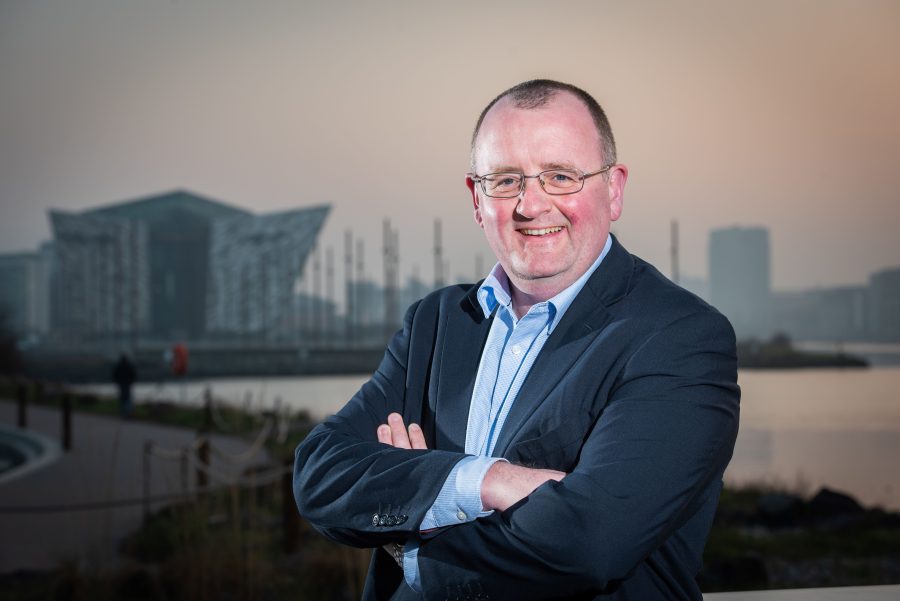
Ross Boyd, founder of Belfast-based chartered accountancy RBCA said, “Almost two weeks on from Rachel Reeves’ dramatic Autumn Budget, businesses and workers are getting to grips with what her announcements really mean for the long-term. More tax to the staggering amount of £40bn, more than any budget has raised in half a century, and borrowing has increased too.
“The view is this was needed to reset and to invest in public services and boost growth. My feeling, having had some time now to digest, is that the taxation increases were too narrow – it focused too much on getting more from businesses rather than spreading the burden of the reset. The fallout of the flagship change – increasing employer National Insurance contributions – when paired with incoming increases to wage rates is a big blow to owner-managed businesses. Many have already come out to express concerns about their survival in 2025.
“My advice to the entrepreneurs who can, is to ensure that they explore all opportunities such as in the Republic or offshore. My advice to the business owners who can’t is to seek expert advice early to better understand how to play 2025. With 10% business gains still available until the end of the tax year there is time for planning.
“There is a stark possibility that the impact will also be felt directly by workers, with many employers now having no choice but to hold back on pay rises, delay hiring new staff, and even hike prices meaning our paycheques go that little bit less.
“Reeves declined to increase fuel duty or gambling taxes, and rather than cutting stamp duty, she raised it for second homes. Stamp duty is one of the nation’s most enduring obstacles to growth, and again, any chance to liberate homeowners from its impact has been lost.
“Opportunities were missed. The Chancellor could have reversed, at least in part, previous cuts to employee National Insurance. While it would have irked some voters following Labour’s election pledge not to increase taxes on workers, it would have avoided what many now expect to be an enduring drag on productivity. It’s certainly an interesting approach – last time I checked productivity was essential for growth.
“Reeves declared that this Budget would pave the way to transform the NHS. An inspiring thought, but not one Northern Ireland in its devolved capacity can be excited about. The business community feels it’s unlikely we’ll benefit from any improvements in the near future. How is it going to be transformed is the question and when?
“That said, it’s important to note the additional £1.5bn allocated to the Executive. This is to be welcomed, and we all remain hopeful this will be spent wisely and promptly.
“Reeves was certainly detailed and gave us plenty facts on the 10-week assessment of the independent Office for Budget Responsibility. But all in all, the Chancellor’s vision seems limited to a big old tax and spend budget. We waited 14 years for this Budget, but the Blair/Brown approach appears the savvier plan. Even with Sir Michael Barber, who has worked closely with several recent Prime Ministers, back at the centre of government as Sir Keir Starmer’s adviser, this Budget seems unnecessarily adversarial, taunting and ultimately limited in real plans. The multi-year spending reviews and NHS consultations completing next year will be interesting but that’s nearly a year in the parliament.
“We can’t overestimate the pressure the Chancellor and the rest of the Labour government will now be facing to fix the economy, and the public sector, and quickly. I’m certainly glad I’m not the one trying to steer this juggernaut in a new direction or the one returning to give a progress report in the spring.”