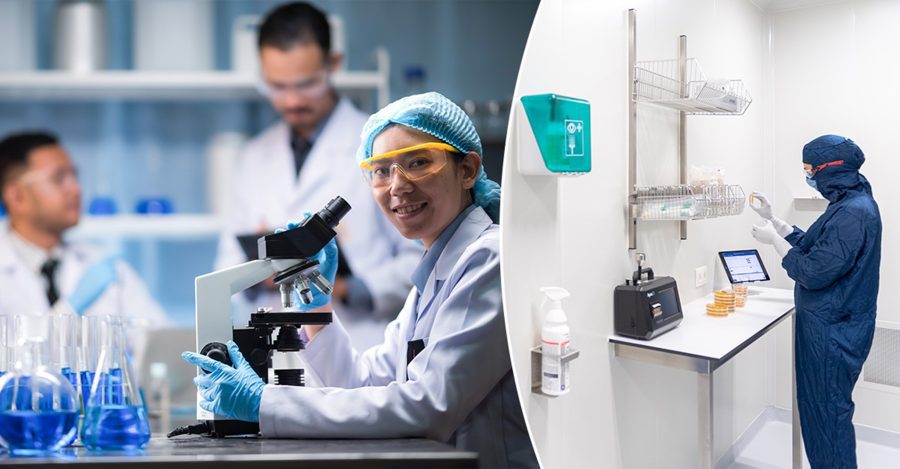
In any laboratory setting, safety is paramount. Ensuring the well-being of lab personnel is not only a moral obligation but also a legal requirement. One crucial safety measure that every lab should have in place is an emergency shower. This article explores the importance of emergency showers in maintaining secure work conditions within laboratory environments.
Accidents can happen in a laboratory setting, ranging from chemical spills to fires. In such situations, quick action is essential to prevent serious injury. Emergency showers provide immediate relief by allowing individuals to rinse off hazardous substances from their bodies. Additionally, they help minimize the extent of injury and prevent long-term harm by swiftly removing harmful substances from the skin and clothing.
Why are laboratories potentially dangerous environments?
Laboratories are potentially dangerous environments due to several factors
Hazardous Materials
Laboratories often handle a wide range of hazardous materials, including corrosive chemicals, flammable substances, and biological agents. Mishandling or accidental exposure to these materials can result in serious injuries or health risks.
Highly Reactive Experiments
Many experiments conducted in laboratories involve highly reactive substances or processes. These reactions can be unpredictable and may lead to explosions, fires, or the release of toxic fumes if not properly controlled.
Equipment Malfunctions
Laboratory equipment such as autoclaves, centrifuges, and glassware can malfunction unexpectedly, posing risks to personnel working nearby. Improper maintenance or usage of equipment can increase the likelihood of accidents.
Physical Hazards
Laboratories may contain physical hazards such as sharp objects, electrical equipment, and uneven surfaces. Accidental slips, trips, or falls can result in injuries, especially when combined with other hazards present in the environment.
Lack of Proper Training
Inadequate training on safety protocols and procedures can also contribute to the risk of accidents in laboratories. Personnel who are unfamiliar with proper handling techniques or emergency response protocols may inadvertently put themselves and others at risk.
Overall, the combination of hazardous materials, reactive experiments, equipment malfunctions, physical hazards, and insufficient training makes laboratories inherently dangerous environments that require strict adherence to safety guidelines and precautions.
Types of hazards in laboratories across various sectors
Laboratories, spanning sectors from academic research to industrial development, encounter a spectrum of hazards. These include, but are not limited to:
Chemical Hazards
Laboratories often handle corrosive, toxic, flammable, or reactive chemicals, posing risks of exposure to personnel. Mishandling or accidental spills can lead to chemical burns, respiratory problems, or environmental contamination.
Biological Hazards
Handling infectious agents or bio hazardous materials presents risks of contamination and infection. Laboratories in healthcare, biotechnology, and research sectors must adhere to strict safety protocols to prevent the spread of diseases and ensure the safety of personnel.
Physical Hazards
Laboratories may face risks from high-energy reactions, extreme temperatures, or radiation. These hazards can result from experiments involving machinery, equipment, or processes that generate heat, pressure, or radiation emissions, posing risks of burns, explosions, or radiation exposure.
Ergonomic Hazards
Injuries stemming from repetitive motions or poor workstation design can affect laboratory personnel. Prolonged periods of pipetting, microscopy, or other tasks requiring repetitive movements can lead to musculoskeletal disorders such as carpal tunnel syndrome or back pain. Proper ergonomic design of workstations and equipment is essential to minimize these risks.
Radiation Hazards
Laboratories working with radioactive materials or radiation-emitting equipment face risks of radiation exposure. Exposure to ionizing radiation can cause tissue damage, radiation sickness, or long-term health effects if not adequately controlled. Strict safety measures and monitoring protocols are necessary to protect personnel from radiation hazards.
Overall, awareness of these hazards and implementation of appropriate safety measures are essential to ensure the well-being of laboratory personnel and maintain a secure working environment across various sectors.
Preventive measures in laboratory environments
Preventive measures in laboratories are essential for personnel safety. This includes comprehensive safety training, proper use of personal protective equipment, careful chemical management, installation of engineering controls, and development of emergency response plans. Regular equipment maintenance and risk assessments are conducted to minimize hazards. Open communication and collaboration foster a culture of safety, ensuring a secure working environment conducive to scientific research.
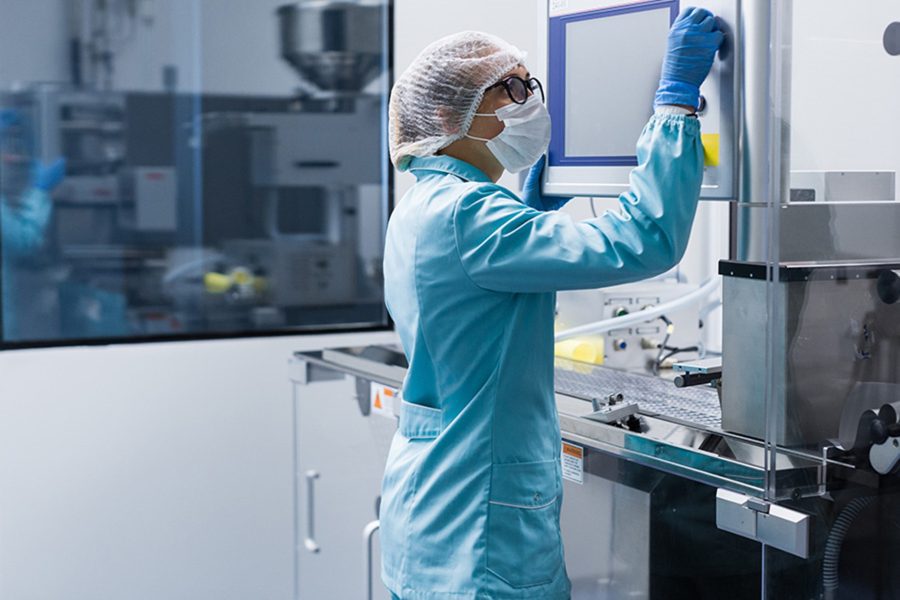 Diving deeper info the mechanism and types of emergency showers
Emergency showers are a pivotal element in laboratory safety, designed to provide immediate response to exposure to hazardous substances. These safety showers are differentiated based on their functionality, installation type, and the specific needs they cater to in a laboratory environment. Let’s delve into the various types and their operational mechanisms.
Ceiling-mounted showers
these showers are installed in the ceiling and are characterized by their ability to provide a comprehensive downward flow of water. This design ensures a wide coverage area, essential for rapid and thorough decontamination of an individual. Ceiling-mounted showers are particularly effective in scenarios where a person is doused with a hazardous chemical, as the vertical flow helps in washing the substance off the body quickly and efficiently.
Wall-mounted showers
Ideal for laboratories with limited overhead space, wall-mounted showers are affixed to the wall. They offer a practical solution in compact spaces without compromising on the effectiveness of decontamination. These showers are often positioned in close proximity to areas where hazardous materials are handled frequently, ensuring immediate accessibility in case of an emergency.
Combination units
These units are a comprehensive solution, combining both an emergency shower and an eyewash station. This dual functionality is critical in scenarios where both the body and the eyes might be exposed to harmful substances. The eyewash station is designed to deliver a gentle yet effective flow of water to flush out contaminants from the eyes, a crucial feature given the sensitivity of ocular tissues to chemicals.
Portable showers
Portable emergency showers are indispensable in remote or temporary laboratory setups where traditional plumbing might not be available. These showers typically operate on a gravity-fed system and can be easily relocated as needed. They are an essential safety feature for fieldwork or in situations where permanent shower installations are not feasible.
Operational mechanism of the safety showers
The fundamental mechanism of an emergency shower is straightforward yet effective. It typically involves a pull rod or handle that, when activated, triggers a valve to release a controlled flow of water. This simplicity in design ensures that the shower can be activated swiftly and with minimal effort, a crucial factor during an emergency.
The water flow in these showers is calibrated to deliver a significant volume of water per minute, which is critical for effective decontamination. The shower must provide a consistent and uninterrupted flow, typically for a minimum of 15 minutes, to ensure that any hazardous substances are thoroughly rinsed off.
Temperature regulation is another critical aspect of the safety shower’s design. The water temperature must be tepid, neither too hot nor too cold, to avoid thermal shock or exacerbating any chemical reactions with the skin. This consideration is particularly vital in scenarios involving chemical spills, where certain substances might react differently to temperature variations.
Regulations and certification for emergency showers
Compliance with regulatory standards is crucial for emergency shower installation and maintenance. Standards such as ANSI/ISEA Z358.1 in the United States provide guidelines on performance, use, and maintenance of safety showers. These include specifications on water flow, temperature, and the duration of water supply (typically 15 minutes). Regular inspection and certification of these systems ensure they are operational and meet the necessary safety requirements.
Conclusion: The integral role of safety showers
In conclusion, while the awareness and implementation of safety showers are vital, their effective use is contingent upon a broader safety strategy. This includes regular training, proper laboratory practices, and a commitment to maintaining a safe work environment. As the landscape of laboratory work evolves, so too must our approach to safety and preparedness, ensuring that the wellbeing of those on the front lines of scientific discovery and innovation remains a top priority.
This comprehensive overview underscores the vital importance of decontamination showers in maintaining a secure work environment. It serves as both an informative guide for those unfamiliar with lab safety and a detailed reference for industry professionals, reinforcing the critical nature of these safety installations.