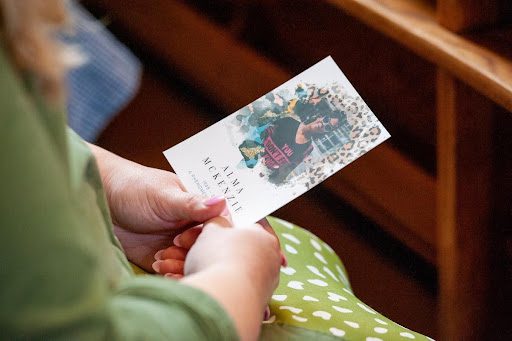
Funerals are arranged and managed by professionals known as funeral directors. They play an essential role in helping families plan the service and make choices, including the choice of burial or cremation, coffin or urn, as well as what hymns, songs, and other tributes to have.
Navigating the planning of a funeral can be extremely difficult for grieving families, so support from funeral directors is incredibly important. Directors help to ease some of the stress and allow mourners to focus on saying goodbye to their loved ones.
Unfortunately, just like any other profession, the funeral industry can be prone to some misconceptions and stereotypes. In this article, we aim to dispel some of the common myths that surround funerals and funeral directors, with the goal to shed light on the reality of their important role.
Myth #1: Funeral Directors Only Care About Profit
Everything is a business, so you could be forgiven for taking a cynical view and thinking funeral directors would only care about profit.
The most cynical of misconceptions may think that directors are driven solely by financial gain, and would exploit grieving families in their vulnerable moments.
And whilst funeral services do come with associated costs, it’s important to realise that the majority of funeral directors are actually compassionate professionals. There’s a reason they work in this industry, and they do care about more than just profit. Grief and loss affect everyone, after all.
The reality is that organising funerals is a business and it costs money to arrange funeral services such as hiring hearses, venues, purchasing burial plots and coffins and so on. But funeral directors do care, they want to provide you with the best service possible and hope to comfort you during a difficult time.
Directors will work closely with families to create a meaningful tribute that is personalised to their loved one’s wishes, and within their budget. The goal is to follow the family’s wishes and ensure a respectful farewell, not to maximise profits at the expense of grieving individuals.
Myth #2: Funerals Must Be Traditional and Expensive
As mentioned above, funeral directors will do their best to work with your budget. They understand that each family has unique needs and financial constraints. However, there is a widespread misconception that funerals must be traditional and will be expensive.
The truth is that the funeral industry has evolved to accommodate a wide range of preferences and budgets. The majority of directors offer multi faith services, as well as different types of funerals. They also offer financial options, such as prepaid funerals and spreading the cost over several months or years.
Unless desired by the family or the person who has died, funerals do not have to follow any sort of tradition. Instead, these services can be personalised, non-religious, and offer alternative elements such as eco-friendly options. You could even choose direct cremation or an unattended funeral, further lowering costs and leaving you to pay tribute in your own way. Directors are adaptable and will help you explore these alternative options.
Myth #3: Funeral Directors Are Unemotional
Some people may think that funeral directors must be emotional, since they deal with death every day. The truth is that they are incredibly empathetic individuals, it’s part of their job and they genuinely care. Directors are trained to handle emotional situations with sensitivity and compassion.
Myth #4: Funeral Directors Only Work During Funerals
A funeral director’s role is not just limited to the day of the funeral, a lot of meticulous organising, paperwork, legal obligations, and other tasks need to be done amongst directing the actual funeral service. There will also likely be multiple funerals to arrange at any one time. On top of this, funeral directors will also be offering ongoing support to grieving families.
Myth #5: Funerals Are Too Morbid and Unnecessary
Some people may not want to attend or have a funeral as they only associate them with grief and sorrow. However, funerals provide the opportunity for family and friends to get together and share fond memories, something that can be integral to the grieving process.
Final Thoughts
It’s important to dispel these misconceptions about funerals and funeral directors in order to foster a better understanding of how valuable the services they provide truly are. It can also help improve attitudes towards funerals and work to alleviate people’s anxieties about this essential aspect of life.