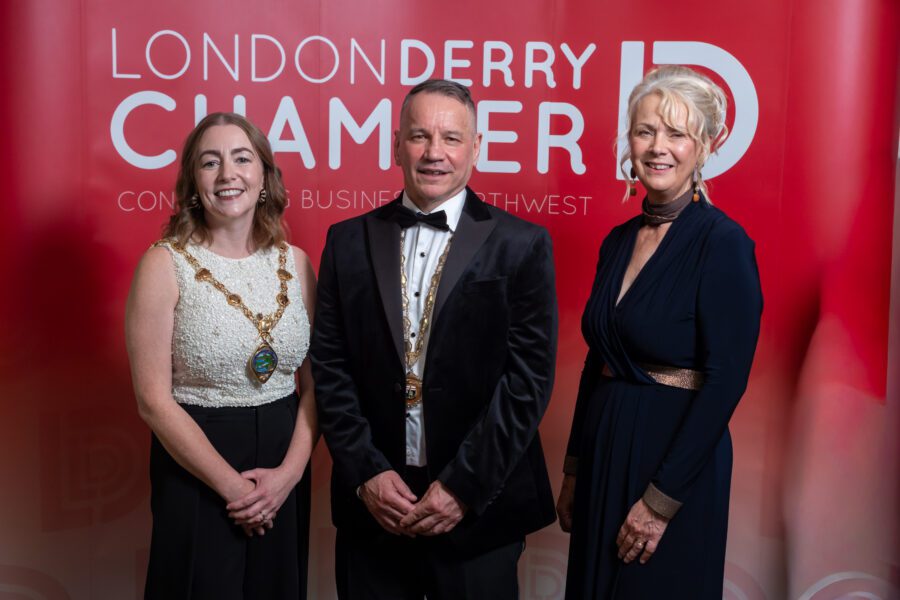
Tory Kerley, Synergy Learning’s Head of People, Performance and Culture, on how to get the best from hybrid working and why e-learning platforms are a necessity for the new age of flexibility.
There’s no doubt that the COVID-19 pandemic has changed the way we work forever. Across the world, employees are asking for flexible working arrangements that allow them to ditch the commute, spend more time at home or even relocate with their families, without compromising their employment. A study from Ezra, a digital coaching provider, showed 35% of office workers in the UK would choose flexible working over a promotion and 22% would choose flexible working over a pay rise.
With flexible working now increasingly in demand, companies are trialling new approaches for maintaining staff wellbeing, whilst at the same time upholding the company’s overall performance. Hybrid working, unlimited annual leave and the introduction of a four-day work week are just three examples of models employers are trialling to increase flexibility for their teams in the new age of work.
e-learning platforms
At Synergy Learning, we’ve adopted a remote-first and asynchronous approach, an introduction that we made to our working policy following discussions with 1Team about their wants and needs. Based on a combination of feedback and the ongoing needs of the business, we came up with a working model that means that all of us now work from home the majority of the time, and at a time we feel most focused.
Whilst flexible working arrangements can be excellent for team morale and performance, the introduction of hybrid working to any business requires leaders to evaluate the communications infrastructure they have in place. Employers can’t just send their people home; they have to ensure that the tools they provide maximise efficiency and connectivity, both to maintain productivity and to enhance culture and communication.
We’re all well accustomed to Microsoft Teams, Zoom, Google Meet, Slack and other popular communication tools, but in 2022, these simply aren’t enough to ensure that employees are engaged, growing in skill, and collaborating effectively. Businesses are now also required to plug the knowledge gaps left by the absence of regular open-plan eavesdropping and water cooler conversations, which at one time facilitated the free flow of knowledge around a team.
While Slack channels and team video calls address some of the issues associated with remote working, we’ve seen a surge in businesses turning to peer-to-peer learning tools offered by e-learning platforms like Totara Engage. These businesses are seeking to not only to encourage remote teams and boost morale through communication, but to push remote workers on in their careers through steady streams of feedback and increased performance reviews.
E-learning platforms may be alien to businesses when seen outside of the context of delivering courses or providing educational resources, but in fact, e-learning platforms can offer businesses opportunities for connection amongst teams that simply aren’t available via other communication channels. An increased potential for all kinds of communication is what makes hybrid working work.
Totara Engage, for example, provides intuitive performance monitoring, which makes it easy for teams to check in with members that are in need of extra support. It also offers a customised performance review workflow builder and automated scheduling of regular check-ins with team members, meaning that if an employee is struggling, they won’t fall through the cracks.
The platform also facilitates colleagues to curate and share learning playlists of valuable videos, podcasts, articles and blogs, and provides limitless options when it comes to team-building activities. It might sound cheesy to incorporate gamification into a hybrid-working infrastructure, but it’s vital for companies to facilitate informal, relaxed interactions amongst staff, particularly while they work from home.
Employers can host in-person get-togethers for teams from time to time, and colleagues may occasionally bump into each other in the office, but platforms like Totara Engage, Totara Learn and Moodle LMS are well worth considering to ensure that teams don’t become stagnant. The platforms can introduce a bit of friendly competition around the award of achievement badges, perks or prizes and help to keep teams engaged in a low-effort, practical way.
Hybrid working will continue to pose challenges for many businesses in the months to come, but the teething issues won’t last forever. Communication is key to building an engaged, enthusiastic and productive team, and employers must do all they can to surround their teams with the tools they need to succeed.
Synergy Learning is a homegrown provider of world-class learning technologies services to a global customer base. The business works with brands like Samsung, Save the Children and numerous NHS Trusts to create engaging, intuitive and accessible learning technology that delivers meaningful, measurable results to over two million learners in over forty countries worldwide. To find out more about Synergy Learning’s ways of working, click here.