Anxiety hypnotherapy in London is one of the most searched-for therapy options in the capital, and for good reason. One in six UK workers experiences anxiety, depression, or stress each year, according to the Health and Safety Executive. In a city built around high performance, the number feels low.
Standard approaches manage symptoms. Breathing techniques help in the moment. CBT workbooks make sense intellectually. But the underlying pattern, the one that fires before a presentation, a difficult conversation, or a Sunday evening, keeps coming back. RTT-based hypnotherapy looks for the subconscious belief feeding the anxiety and addresses it directly.
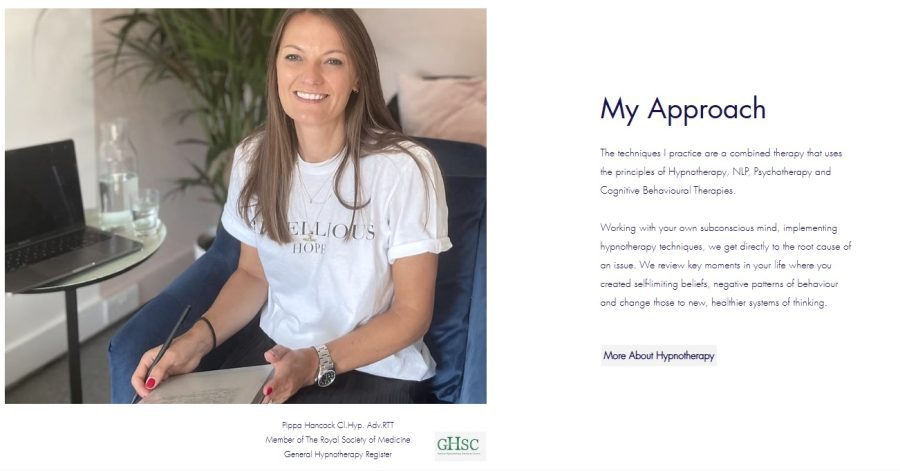
Pippa Hancock is a Clinical Hypnotherapist (Cl.Hyp.) and Advanced RTT Practitioner based in South Kensington, London. She is a member of the General Hypnotherapy Register (GHR), with over ten years of clinical experience. Her anxiety work is detailed at pippahancock.com/anxiety-hypnotherapy/.
Three things to know before reading further:
- Anxiety is driven by subconscious beliefs, not just circumstances
- RTT hypnotherapy produces results in fewer sessions than most standard talking therapies
- Sessions run for approximately three hours and include bespoke audio and 21-day follow-up support
What Is Anxiety Hypnotherapy and How Does It Work?
Hypnotherapy for anxiety is a clinical process. The National Hypnotherapy Society defines hypnotherapy as “skilled verbal communication” used to produce changes in consciousness and behaviour. In a clinical setting, that means working with the subconscious mind to identify and change the beliefs and responses driving the anxiety.
RTT (Rapid Transformational Therapy) combines hypnotherapy, NLP, psychotherapy principles, and CBT techniques in a single integrated approach. The aim is to reach the root belief, often formed years earlier, that the subconscious is using as evidence that a situation is unsafe.
Anxiety doesn’t persist because people are weak or overthinking. It persists because the subconscious genuinely believes the threat is real. Once that belief is identified and addressed directly, the anxiety response often changes significantly.
Why London Professionals Seek Hypnotherapy for Anxiety
London is a particular kind of pressure. Career identity, public performance, commuter stress, and a culture that treats busyness as status all feed anxiety patterns that feel hard to separate from who you are and what you do.
Pippa spent 15 years in PR before training as a clinical hypnotherapist. She’s familiar with that environment from the inside. Her own experience with anxiety, public speaking pressure, and stress-related health challenges shaped her approach to therapy. When she talks about the specific type of anxiety London professionals carry, it’s from personal experiences.
Common issues that come up in her South Kensington clinic include anxiety before big meetings or presentations, persistent low-level worry that doesn’t switch off in the evenings, imposter syndrome, and physical symptoms: shallow breathing, tight chest, and disrupted sleep.
What Happens in an Anxiety Hypnotherapy Session?
A session with Pippa runs for approximately three hours. The structure is different from a standard 60-minute therapy appointment. RTT needs enough time to reach the subconscious mind that is driving the problem and reframe it.
The session has three phases.
The consultation phase covers your history with anxiety: when it started, what triggers it, what you’ve tried before, and what you’d like to be different. The patterns that emerge here directly inform what happens next.
The hypnotherapy phase uses guided relaxation to bring you into a focused, receptive state. You remain conscious and in control throughout. This is one of the most common misconceptions about clinical hypnotherapy: you don’t go blank, you don’t lose awareness, and you can’t be made to do anything you wouldn’t choose to do. In this state, Pippa works with you to identify the specific subconscious beliefs producing the anxiety.
The integration phase begins with a bespoke self-hypnosis audio created specifically for you, based on what emerged in your session. You listen to this daily for 21 days. This is where most of the change occurs, in the repeated listening to the audio that follows the session.
Pippa’s 21-day follow-up support runs alongside the audio. It’s a structured way to strengthen change rather than leaving clients to manage alone after their appointment.
How Many Sessions Does Anxiety Hypnotherapy Take?
RTT is designed to produce results quickly. Many clients see significant change after a single session. This is a different timeline from traditional talking therapies, which often run for months or longer.
Results vary. The depth of the issue, how long the anxiety has been present, and how consistently someone uses the follow-up audio all affect outcomes. Pippa gives clients a realistic picture during the initial consultation rather than a guaranteed timeline.
Anxiety Hypnotherapy vs. CBT: What’s the Difference?
CBT (Cognitive Behavioural Therapy) is recommended by NICE for anxiety disorders and has strong evidence behind it. It works by identifying and challenging unhelpful thought patterns at a conscious level. Many people find it effective.
RTT hypnotherapy works at the subconscious level rather than the rational mind. It’s particularly suited to people who’ve already tried a structured cognitive approach, can see why their anxiety patterns don’t make rational sense, but find they still can’t shift them. Understanding that you’re overreacting and being able to stop overreacting are different problems.
The two approaches aren’t in competition. Pippa’s integrated method includes CBT principles alongside hypnotherapy and NLP.
Is Hypnotherapy for Anxiety Right for You?
RTT-based hypnotherapy works well for people who are motivated to change and open to working at the subconscious level rather than purely with the rational mind. It’s particularly well-suited to professionals who’ve tried more structured cognitive approaches and found themselves stuck with understanding the problem but unable to shift it.
Hypnotherapy is not a replacement for psychiatric care or medication. If you’re experiencing severe anxiety or have been diagnosed with an anxiety disorder, it works best alongside medical treatment. Pippa will discuss this during your consultation.
You can book a free initial consultation at https://www.pippahancock.com/
What to Look for in a London Anxiety Hypnotherapist
The General Hypnotherapy Register is the UK professional body for hypnotherapists, and GHR membership requires qualified clinical training, ongoing professional development, insurance, and adherence to a code of ethics.
Pippa holds the title Clinical Hypnotherapist (Cl.Hyp.) and is GHR-registered. She is an Advanced RTT Practitioner, qualified in EMDR. Her clinic at 125 Gloucester Road, SW7 4TE is a short walk from Gloucester Road station on the District, Circle, and Piccadilly lines.
Beyond registration, ask what happens after the session. The bespoke audio and 21-day structured support built into Pippa’s sessions treat the outcome, not just the appointment.
FAQs: Anxiety Hypnotherapy London
Does hypnotherapy actually work for anxiety? Yes, it’s most effective when the client is engaged and consistent with the follow-up audio work.
What does an anxiety hypnotherapy session feel like? Most clients describe it as deeply relaxing, similar to the state just before sleep. You remain aware throughout and can stop the session at any time.
How much does anxiety hypnotherapy in London cost? Fees vary. Contact Pippa at [email protected] or via pippahancock.com for current pricing.
How quickly will I see results? Many clients notice a difference after a single session. Lasting change typically builds during the 21-day period.
Can I combine anxiety hypnotherapy with medication? Yes. Hypnotherapy complements rather than replaces medical treatment. Always keep your GP informed.
About the author: Pippa Hancock is a Clinical Hypnotherapist (Cl.Hyp.) and Advanced RTT Practitioner based in South Kensington, London. She is a member of the General Hypnotherapy Register, with over ten years of clinical experience. Clinic: 125 Gloucester Road, SW7 4TE. Email: [email protected] | Tel: +44 (0)207 193 9555.