For households in Northern Ireland, energy independence is increasingly about having greater choice over where electricity comes from, how it is used, and how much it costs.
As technologies such as solar panels, battery storage and electric vehicles become more accessible, households have more opportunities to take an active role in managing their energy consumption while preparing for a smarter, more sustainable future.
Solar PV adoption is still in its early stages, with fewer than 10% of homes currently having these installed. However, those households with solar PV generate 28% their electricity demand, highlighting the potential – and real difference – renewable energy can make.
Energy independence is not about having to go it alone. Instead, it’s about having the right technology, information, and support to make energy work better for every household.
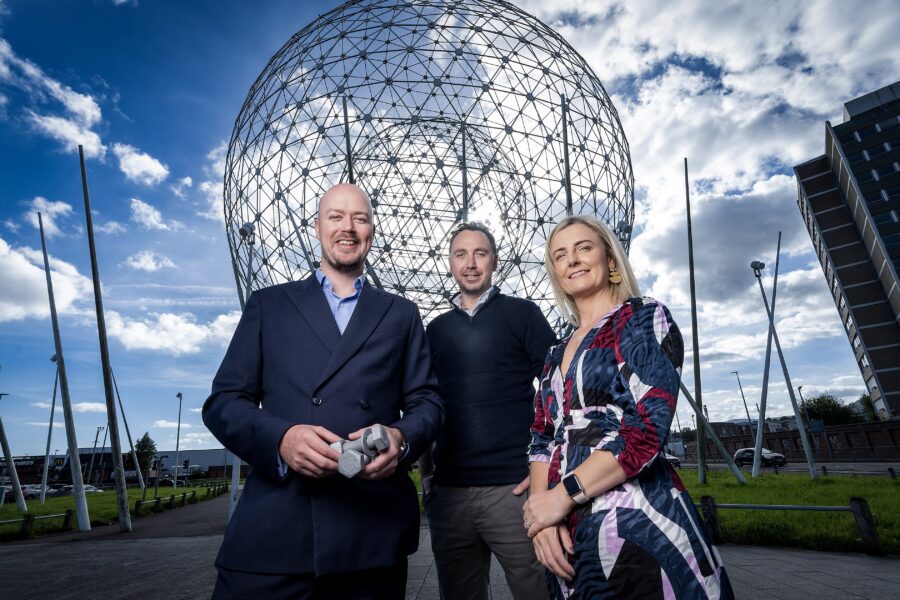
Battery storage can make solar panels even more effective by storing surplus electricity generated throughout the day for use, as and when it is needed. “Energy independence is often associated with disconnecting from the electricity grid and generating all of your own power,” explains Mark Wiggins – Power NI’s Product Innovation Manager. “In reality, it means giving households greater control over their energy future. Technologies such as solar panels and battery storage are changing how people generate and use electricity, giving customers more flexibility and opportunities to manage their energy costs.”
Meanwhile, the growing adoption of electric vehicles is also changing how households interact with energy. With almost 30,000 electric vehicles registered in Northern Ireland, managing electricity consumption is becoming increasingly important. Combining EVs, solar generation, battery storage and time-of-use tariffs ensures can give households more flexibility over when and how they use electricity. This can help them to make better use of available energy and potentially reduce their reliance on grid-produced electricity.
“Energy independence is really about choice. Households do not need to be completely self-sufficient to benefit,” added Mark. “Generating some of their own electricity, making informed decisions about when they use energy and choosing the right technologies can all help customers take greater control. And as more households adopt EVs and smart technologies, the ability to manage energy generation and consumption together is set to become even more valuable.”
The shift towards greater household energy independence introduces wider benefits; increasing renewable generation, improving energy efficiency and changing the way that electricity is consumed can create a more sustainable – and resilient – energy system.
As Northern Ireland’s leading electricity supplier, Power NI is responding to changing customer expectations by expanding its renewable energy offering. Already, its solar PV installation service is helping local households generate their own renewable electricity, supported by expert advice and guidance throughout the process.
“Customers increasingly want more than an electricity supplier. They want a trusted energy partner who can help them understand the options available and make the right choices for their homes,” adds Mark. “The energy transition needs to put customers at its centre. By helping households generate, manage and use electricity more efficiently, we can support customers while contributing to a cleaner, more resilient energy system.”
For more information about Power NI’s energy transition products and services, visit powerni.co.uk