Who would’ve thought that significant strides in aviation safety have been driven by advances in high-altitude balloon technology? These developments are paving the way for improved monitoring of weather conditions and radiation exposure during flights .Notably, two technologies stand out for their potential—so who has truly harnessed their capabilities?
How Radiation Data Is Collected At Extreme Altitudes
An effective radiation monitoring system is needed in aviation to manage elevated exposure during high-altitude missions, where cosmic rays and solar particles intensify. The ARMAS Dual Monitor technology addresses this need by measuring precise radiation levels, including cosmic rays, solar particles, and Van Allen Belt particles. Using total ionizing dose and gamma-ray instruments, it delivers comprehensive data across various altitudes, ensuring the safety of both crew members and passengers.
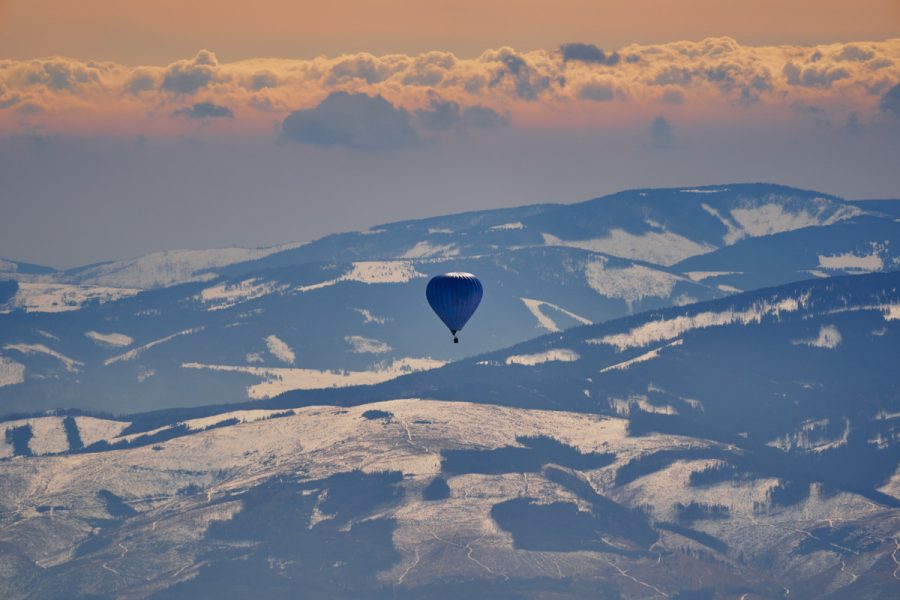
Understanding the scope of radiation exposure helps mitigate potential health risks tied to prolonged air travel. As aircraft operate at altitudes with higher radiation levels, this technology enables a proactive approach to detect and measure these exposures. This data supports stakeholders in making informed decisions about flight operations and necessary precautions. One practical application was a four-week test aboard a World View high-altitude balloon, which reached altitudes of up to 81,000 feet (24.69 km). Conducted from August 31 to September 27, 2024, over Page, Arizona, the test simulated aerospace conditions and showcased the effectiveness of this system in monitoring radiation exposure.
The success of this test highlights the potential for broader adoption of this technology in commercial and military aviation. Real-time radiation monitoring could soon become standard practice, reducing uncertainties and enhancing safety for high-altitude operations.
New Methods for Predicting Extreme Weather
Weather forecasting supports flight planning by helping pilots anticipate and avoid hazards like turbulence, storms, and extreme weather. CubeSounder technology, developed at Arizona State University, enhances forecasting methods through data collection and analysis.
Unlike traditional systems, it uses high-altitude balloons to gather precise meteorological data from the upper atmosphere. This approach reveals weather patterns often missed by ground-based systems. Measuring temperature, humidity, and atmospheric pressure at elevated altitudes improves prediction models and strengthens aviation safety.
During the same high-altitude balloon test as the ARMAS Dual Monitor, CubeSounder was deployed for synchronized data collection, offering a holistic view of radiation levels and weather conditions. Accurate weather forecasting helps pilots avoid hazardous conditions, while radiation monitoring protects against less visible threats. Together, these technologies demonstrate how new advancements are progressing in aerospace safety protocols.
What New Frontiers Can High-Altitude Balloons Reach
The successes of ARMAS and CubeSounder showcase the potential of high-altitude balloon technology. Researchers are now refining sensor precision, extending flight durations, and broadening the range of detectable parameters to build on these achievements.
Beyond aviation safety, high-altitude balloons offer environmental monitoring, telecommunications, and scientific research. As these technologies evolve, they could address pressing challenges across various industries. The development and testing highlight the importance of collaboration among academic institutions, industry leaders, and government agencies. With growing recognition of their value, investment in high-altitude balloon technology is expected to rise. Each step brings the vision of safer, more reliable air travel closer to reality. From managing radiation exposure to improving weather forecasting, these tools are becoming increasingly valuable in modern aviation.