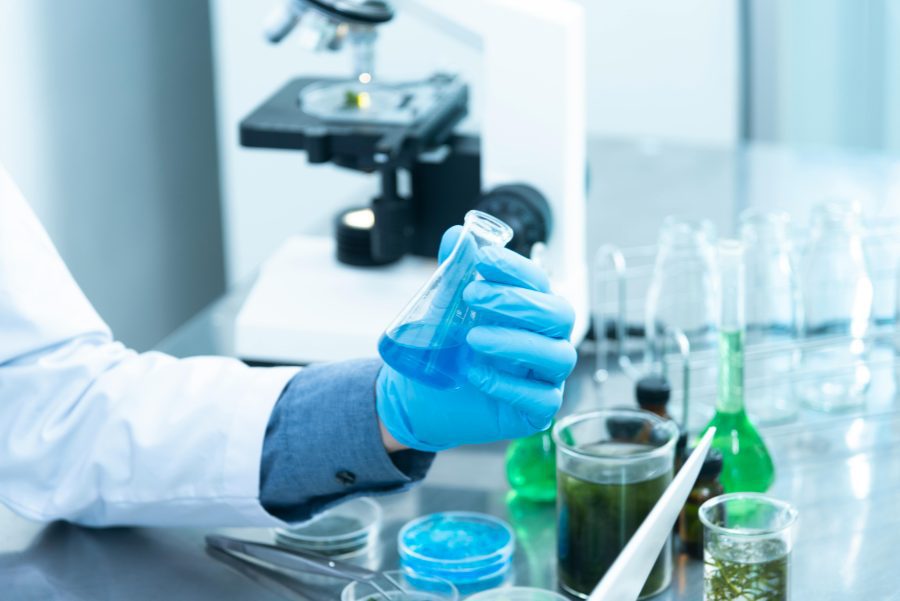
Polymerase Chain Reaction (PCR) has become one of the most important techniques in the healthcare industry, transforming the way diseases are diagnosed, monitored, and treated. The method allows for the amplification of small DNA or RNA samples, making it easier to detect pathogens, genetic mutations, and other biomarkers with high precision. As healthcare demands for more accurate and efficient testing methods grow, the role of PCR in clinical settings continues to expand. This article explores the increasing need for PCR technology, particularly focusing on its applications in disease detection, genetic testing, and its future potential.
The Importance of PCR in Disease Detection
PCR has revolutionized disease detection by offering fast and accurate results. From infectious diseases to cancer, PCR is instrumental in diagnosing a variety of conditions. One of the most well-known applications of PCR testing is in detecting viral infections such as COVID-19, where its accuracy has been crucial in controlling the spread of the virus. The ability to identify the genetic material of a pathogen, even in small quantities, ensures that doctors can diagnose infections early, even before symptoms appear. PCR-based tests have become the gold standard in detecting pathogens like bacteria, viruses, and fungi, providing healthcare professionals with reliable data to inform treatment decisions.
In addition to infectious disease detection, PCR plays a critical role in genetic testing. By analyzing the DNA or RNA of patients, PCR helps identify genetic disorders, mutations, and predispositions to diseases such as cancer. PCR tests can detect changes in genes that may increase a patient’s risk for specific conditions, enabling early interventions and personalized treatments. This ability to provide insights into an individual’s genetic makeup is transforming precision medicine, a field focused on tailoring medical treatment based on individual genetic profiles. In this context, the use of QPCR probes has allowed for even more precise quantification of gene expression, enhancing the accuracy and reliability of PCR results.
The Growing Demand for Accurate PCR Testing
The healthcare industry is increasingly turning to PCR for its accuracy, versatility, and ability to detect a wide range of conditions. As the world continues to face emerging infectious diseases, the demand for PCR testing has surged. Healthcare facilities worldwide rely on PCR to monitor diseases in real-time and detect new strains of pathogens. In addition, the accuracy of PCR testing has made it essential for tracking disease outbreaks, ensuring that public health measures are implemented effectively. With the growing importance of early disease detection, PCR is quickly becoming a staple in healthcare diagnostics.
The Role of PCR in Personalized Medicine
Another area where PCR is having a significant impact is in the field of personalized medicine. As our understanding of the human genome continues to grow, PCR is becoming a key tool in creating customized treatment plans for patients. Personalized medicine involves tailoring treatments to the individual characteristics of each patient, such as their genetic profile, lifestyle, and environment. PCR helps identify genetic mutations and variations that may influence how a patient responds to certain drugs or therapies. This information enables doctors to select the most effective treatment options, minimizing the risk of adverse reactions and improving patient outcomes.
Future Outlook for PCR in Healthcare
Looking ahead, the future of PCR in healthcare appears promising. As technology advances, PCR testing will become even more accessible, faster, and more affordable. New developments in PCR techniques, such as digital PCR and next-generation sequencing, promise to enhance the accuracy and scope of tests, allowing for even greater precision in detecting a wide range of diseases. These advancements will likely increase the demand for PCR-based tests in both