Modern consumers are more conscious of what they consume. As a result, their options impact of the broader world of alcohol production. From the increasing demand for eco-friendly packaging and products in recent years to the meteoric rise of veganism, it is clear that personal health is aligned with environmental responsibility in the consumers’ minds.
Therefore, it isn’t surprising that the organic alcohol industry is experiencing sustained and significant growth. Consumers of alcohol products are increasingly becoming aware of the potential harmful fertilizers, pesticides, and chemicals left behind in crops used to manufacture spirits and wines.
Also, they’re aware of the long-term effects these substances may have on the environment, ranging from water sources and soil to human health.
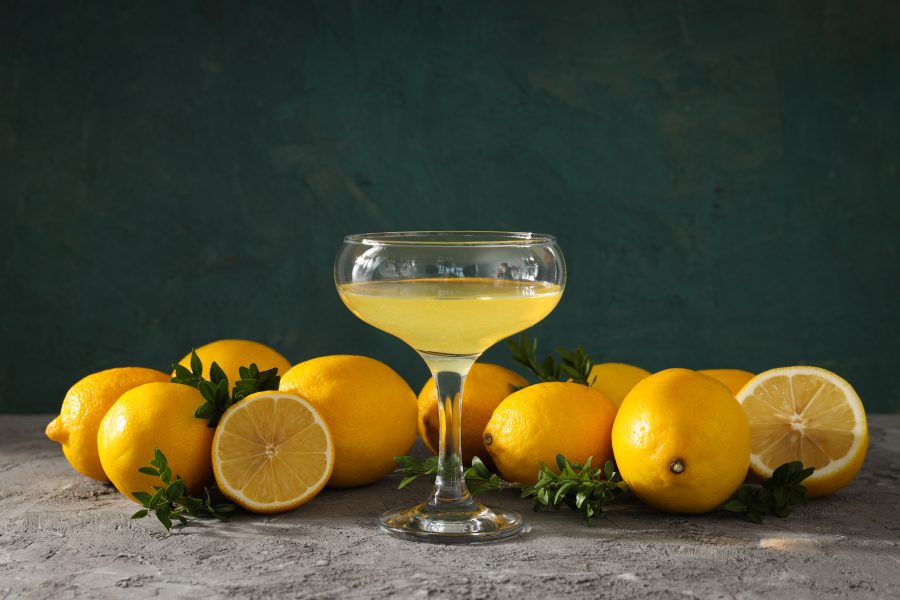
This article showcases the use of organic alcohol in crafting unique and eco-conscious cocktails, appealing to eco-friendly-conscious consumers. Read on to unearth more.
What is Considered Organic Alcohol?
Environmental concerns, the quality of liqueur, and the well-being risks associated with alcohol production and consumption have had a huge impact on the worldwide market.
Approximately half of alcohol takers in the United States and the United Kingdom say they’re more likely to purchase from an eco-friendly, responsible, organic alcohol provider. The figure is even more in China and Brazil.
For alcohol products to qualify as organic, they need to meet food and government standards. The European Union and the United States Department of Agriculture issued criteria for manufacturing, handling, and processing organically raised agricultural products.
Each principle boosts environmental protection, and ingredients used in production should not contain chemical fertilizers, pesticides, and GMOs.
Processes such as farming, fermenting, distilling, bottling, storage, and distribution can’t yield contaminants that pollute water, soil, and air if the organic alcohol provider adheres to ethical and sustainable guidelines.
Types of Organic Alcohol Products You Can Use in Mixology for Environmental-Friendly Drinking
If you love mixology and want to embrace environmentally friendly drinking, organic alcohol products are the way to go. So, which organic products should you utilize in your mixology for eco-friendly drinking? They include:
Whisky
The whisky market has evolved rapidly over the past few years. More consumers are considering it as an affordable luxury. There is an increasing demand for organic whiskey products.
These are products purely made from organically grown plants. So, when you’re after whisky drinks, consider alcohol producers who have embraced sustainability and are eco-friendly.
Cognac
Cognac is a type of organic brandy and undoubtedly the most popular. It has a smooth and rich flavor with a robust fragrance, needing to be sipped gently and appreciated. Organic cognac comes from organically grown barley, rye, corn, wheat, sugarcane, and more.
White Rum
The white run is produced from sugar products like sugarcane and molasses. It’s a translucent alcohol product. Its production takes place in rum-producing regions, leading to a taste that blends smoothly with different drinks.
While organic alcohol is eco-friendly and favorable among environmentally friendly consumers, it comes at a price. Picking organic alcohol products goes a step further into ensuring a reduced carbon footprint. As you purchase your products for mixology, be mindful of sustainability, quality, and purity.