If you’re anything like me, your pet isn’t just an animal—they’re family. And naturally, you want to capture their unique personality in a photo that really shows who they are. But let’s be honest: photographing pets isn’t always easy. They’re wiggly, distracted, or just plain camera shy. So how do you get that perfect shot for a portrait that you’ll want to frame and keep forever?
Don’t worry — I’ve been there! After some trial and error, I’ve put together some straightforward tips that will help you take great photos of your furry (or feathery, or scaly) friend, no fancy equipment needed. Let’s jump in!
Why Getting a Good Photo Matters
Think of a good photo as the foundation for your pet portrait Ireland. Whether you’re handing it over to an artist or printing it yourself, the photo needs to clearly show your pet’s character. Blurry, dark, or awkward photos don’t do justice to the little quirks and charm that make your pet special.
Good photos capture the sparkle in their eyes, the unique patterns in their fur, and the expressions that say, “Hey, this is me!” And the best part? You don’t need a professional camera or studio lighting to get there—just a bit of patience and these handy tips.
Use Natural Light Whenever Possible
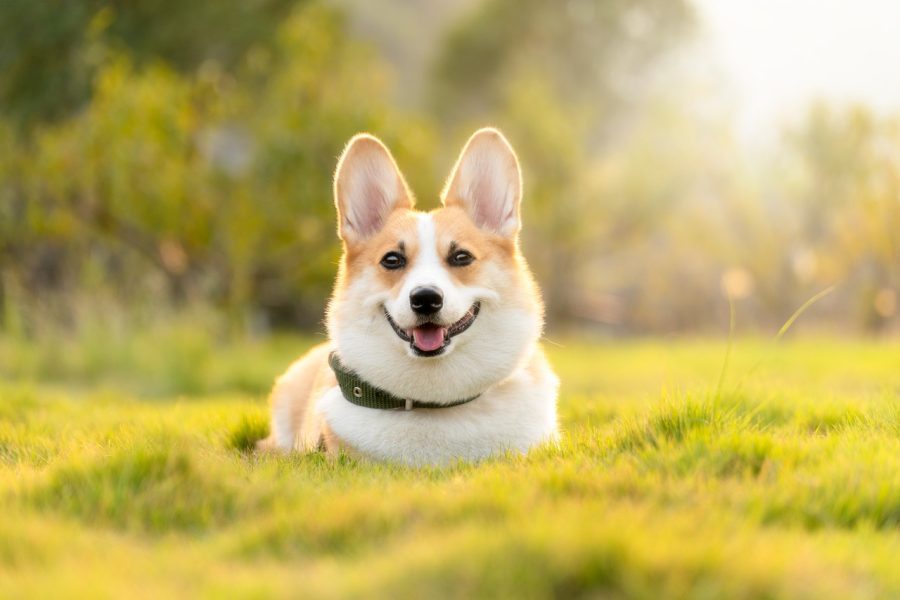
Lighting can make or break a photo, and natural light is your best friend here. Try to take photos outside during the “golden hour” — that’s the hour right after sunrise or just before sunset — when the light is soft and warm. If you’re inside, pick a spot near a big window with plenty of daylight, but avoid direct sunlight because it can cause harsh shadows or make your pet squint.
Try to avoid using your camera’s flash — it can startle your pet and often causes red eyes or weird shadows. If you must use artificial light, bounce it off a wall or ceiling to soften it.
Get Down on Their Level
This one’s a game-changer. Instead of standing over your pet and snapping down at them, get down to their eye level. Kneel, sit, or lie down—whatever it takes to see the world from their perspective.
Shooting from their level helps you capture their expressions and makes your photos feel more personal and intimate. Plus, it’s way more engaging for anyone who looks at the photo later.
Pick a Calm, Familiar Spot
Pets feel more relaxed in spaces they know well. So instead of dragging your pet out into the busy street or unfamiliar park, choose a cozy spot they love — maybe their favorite corner, their bed, or your backyard.
Also, consider timing. After a nice walk or a play session, dogs tend to be more relaxed and easier to photograph. Cats, on the other hand, usually chill after a nap. Catch them in these calm moments for your best shots.
Keep the Background Simple
Nothing steals the spotlight like a cluttered background. To really show off your pet, pick a clean, simple background — a plain wall, a tidy room, or a grassy patch with minimal distractions.
If you’re outdoors, watch out for things like trash cans, toys, or bright colors that compete for attention. Sometimes, just hanging a plain sheet behind your pet can make a huge difference.
Capture Their Personality
This is where the fun begins! Every pet has its own personality, so try to show it off. Use their favorite toys, treats, or sounds to grab their attention. If your dog loves chasing balls, snap some action shots. If your cat’s curious, try waving a feather or a laser pointer to get those wide-eyed looks.
Don’t just focus on posed shots — some of the best photos come from candid moments that reveal their quirks and character.
You Don’t Need Fancy Gear — Your Phone Works Great
With today’s smartphones, you can take seriously good photos without investing in expensive equipment. Just make sure your lens is clean, avoid digital zoom because it reduces quality, and shoot in the highest resolution your phone allows.
Turn off filters or beauty modes — you want your pet looking natural, not overly softened. And if you have a camera, great! But don’t stress about it. Comfort and timing are way more important than gear.
Take Lots of Photos from Different Angles
Patience is key here. Pets move fast, get distracted, or just decide they’re done cooperating. Using burst mode or continuous shooting means you’ll capture plenty of shots and increase your chances of getting “the one.”
Try different angles — front, side, close-ups of noses or paws — variety is the spice of life (and photos!). Don’t stress if you don’t nail it on the first try. The more you practice, the better you’ll get.
Review and Pick the Best Shots
After your session, take time to go through your photos. Look for ones where the eyes are sharp, the light is flattering, and your pet looks happy and relaxed. Delete any that are blurry or have distracting backgrounds.
If you plan to have an artist create a portrait from your photos, choose high-quality, natural images that show your pet’s unique markings and expressions.
A Few Extra Tips Depending on Your Pet
- Dogs: Treats and toys work wonders. Keep sessions short and fun to avoid tiring them out or frustrating them.
- Cats: Let them come to you and shoot when they’re calm. Slow, gentle movements and soft sounds help get their attention.
- Small Pets: Use close-up shots and choose quiet spots to keep them comfortable.
Common Mistakes to Avoid
Here’s what to watch out for:
- Flash photography that scares your pet and causes red-eye
- Low light without proper exposure, leading to blurry photos
- Busy or messy backgrounds
- Trying to force poses that make your pet uncomfortable
- Taking too few photos (always take more than you think you’ll need!)