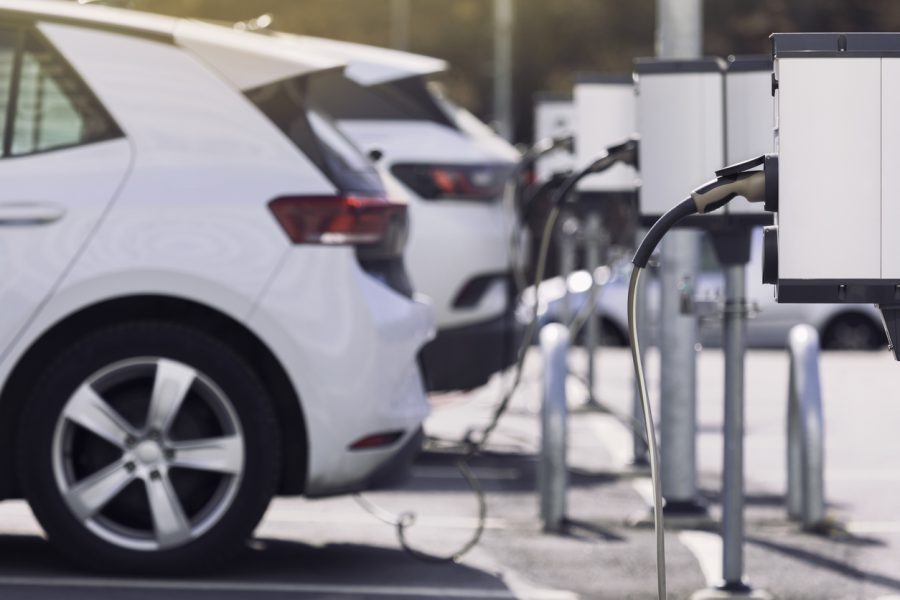
The world of business travel is undergoing a rapid transformation. Rising fuel prices, environmental pressures and changing expectations from clients and employees are pushing companies to rethink their approach. Electric cars (EVs) are at the centre of this shift, offering tangible financial benefits, sustainability gains and a chance to modernise brand image.
- Electric vehicles (EVs) reduce costs for business travel through lower fuel and servicing expenses.
- Companies adopting EVs strengthen sustainability credentials and align with net-zero goals.
- Choosing the right EV helps enhance corporate image and meet practical travel needs.
Lower costs, higher efficiency
One of the clearest reasons businesses are adopting EVs is cost. Charging an EV is significantly cheaper than filling a tank with petrol or diesel—especially if charging takes place overnight or during off-peak hours. Maintenance expenses are also lower, as EVs have fewer moving parts. For organisations managing fleets, these savings accumulate quickly and can represent thousands of pounds each year.
According to the RAC, EV drivers can save hundreds annually simply by switching from public fuel stations to home or workplace charging. For companies footing the bill for business travel, this translates into meaningful long-term reductions.
Sustainability as a business imperative
Sustainability is no longer optional. Investors, regulators and consumers expect companies to demonstrate their environmental credentials, and travel is a key area where improvements can be made. By adopting EVs, businesses not only reduce their carbon footprint but also send a clear signal of alignment with net-zero goals.
Many governments are offering incentives and tax breaks to encourage EV adoption, making it both an environmentally and financially sound move. For companies that publish annual sustainability reports, EV fleets are a practical, measurable step in cutting emissions.
Projecting the right brand image
Beyond financial and environmental advantages, EVs are also valuable tools for shaping corporate identity. Clients and stakeholders take note when organisations embrace clean technologies. Employees, too, are increasingly drawn to employers who take climate concerns seriously.
Turning up to a meeting in an electric company car isn’t just convenient—it reflects innovation, responsibility and a forward-looking mindset. In industries where reputation matters, this can create a subtle but lasting impression.
Choosing the right EV for business needs
With a growing number of models on the market, businesses have the flexibility to match vehicles to their travel requirements. Some may prioritise compact city cars for urban travel, while others need long-range EVs for frequent intercity journeys. Businesses can go online to research which electric car to buy and receive further guidance and comparisons of models by cost, range, and features.
For more insights on sustainability and business leadership, Business First Online also covers green business strategies that align with EV adoption.
Looking ahead
The future of business travel is undoubtedly electric. Companies that transition early stand to benefit not just from cost savings, but also from stronger sustainability credentials and an enhanced corporate image. For business leaders, the decision to adopt EVs is more than a financial one—it is an investment in long-term resilience and responsibility.