The pharmaceutical industry is evolving rapidly, and with it, the importance of packaging has grown significantly. Packaging is no longer merely about preserving products; it’s now a critical touchpoint for accessibility, usability, and sustainability. At the forefront of this change is design thinking—a user-centric approach that focuses on solving complex problems by prioritising end-user needs.
This approach is revolutionising the way pharmaceutical companies create packaging, ensuring it is functional, intuitive, and environmentally responsible. Here, we explore how design thinking improves accessibility and usability in the sector, examine innovative packaging formats, and look ahead at what’s shaping the future of pharmaceutical packaging.
The Importance of User-Centric Packaging
For pharmaceutical companies, designing user-friendly packaging is about more than aesthetics. It’s about ensuring patients safely and effectively use their medications, particularly in sectors such as elderly care and chronic illness management, where accessibility is critical.
Accessibility Meets Functionality:
Consider seniors with arthritis who struggle to open blister packs, or visually impaired patients who cannot easily read medication labels. Design thinking leads to solutions that address these issues, such as easy-to-open mechanisms or braille-embossed directions.
Building Trust Through Simplicity:
Packaging that makes patients feel confident in their ability to use a product can strengthen trust in a brand. For pharma companies, trust translates directly into customer retention and, more importantly, better health outcomes.
Simply put, usability-focused packaging isn’t just beneficial—it’s essential for building patient relationships and ensuring medication adherence.
Innovative Packaging Formats in Pharma
The pharmaceutical industry employs a variety of packaging types, each tailored for specific applications. With design thinking at the core of development, these formats are becoming smarter, safer, and more intuitive.
- Dropper Bottles:
Used primarily for liquid medications like eye drops and essential oils, dropper bottles are benefiting from dramatic innovations. New ergonomic designs make it easier for patients to dispense exact doses, while anti-contamination droppers reduce the risk of bacterial exposure.
- Blister Packs:
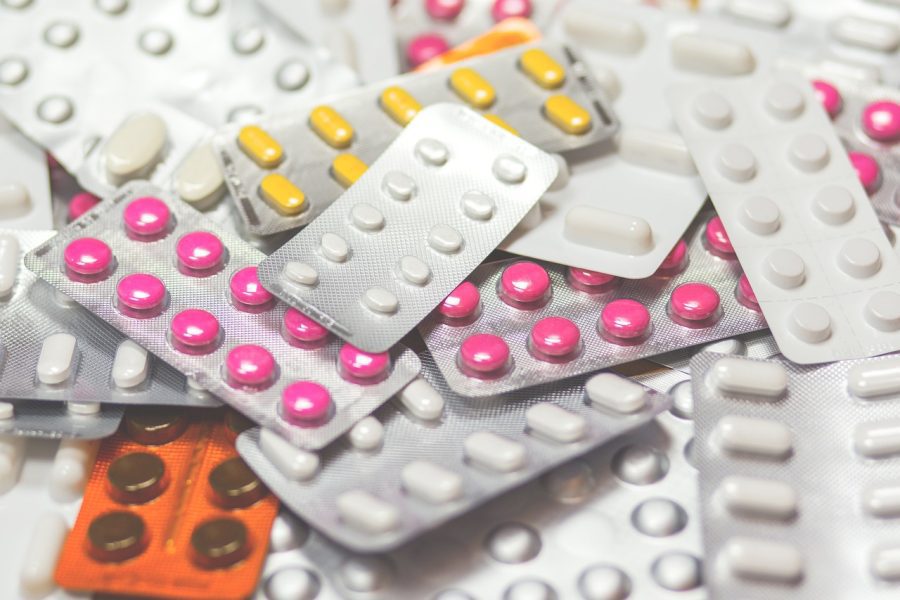
Blister packs excel in protecting pills and tablets, but their usability has been elevated through design improvements. Perforated sections for individual doses and peel-off lids with clear directions have become industry standard offerings.
- Glass Bottles:
Favoured for their durability and barrier properties, glass bottles remain a pharmaceutical packaging staple. Innovations with protective coatings or tamper-evident closures cater to both product safety and patient reassurance.
- Smart Packaging Solutions:
Emerging tech-enabled packaging delivers more value to users. For instance, some blister packs now include integrated QR codes that link to medication instructions or alert systems that remind patients when it’s time for their next dose.
Each of these innovations underscores one principle—when packaging meets user needs, it transcends its basic function to become a crucial component of patient care.
The Role of Sustainability in Packaging Design
Another key consideration reshaping pharma packaging is sustainability. The industry faces growing pressure to reduce its environmental footprint, and design thinking offers a path forward.
- Recyclable and Biodegradable Materials: Many companies are trialling plant-based plastics or switching to fully biodegradable cardboard options for secondary packaging.
- Minimalist Packaging: By reducing material waste, minimalist designs prioritise functionality while addressing the environmental cost of over-packaging.
- Refillable Packaging Systems: Introduced initially in consumer products, refillable systems are now gaining traction in pharma to reduce single-use waste.
Sustainability isn’t only about meeting regulatory requirements or appealing to eco-conscious stakeholders. It’s also proving to be an opportunity for competitive differentiation in an industry that’s increasingly focused on environmental performance.
Looking Ahead: The Future of Pharma Packaging
The next wave of pharmaceutical packaging will likely combine user-focused design with cutting-edge technology. From AI-powered packaging analytics to personalised medication delivery systems, innovation will centre on creating smarter and safer experiences.
Digital Engagements: Interactive packaging with integrated technology or apps that allow users to monitor their medication usage in real time is on the horizon.
Higher Customisation: Advances in 3D printing could allow fully customised packaging designed specifically for individual patients’ needs.
Continuous Feedback Loops: By capturing user data, pharma companies can iterate on existing packaging faster, ensuring it perfectly aligns with user expectations.
With these trends, the divide between product and packaging will diminish further, creating cohesive solutions that improve patient outcomes on every level.
Design-led Thinking
Pharmaceutical packaging is at the heart of patient care, and design thinking is enabling businesses to meet the increasingly complex demands of the sector. By focusing on user-centric innovation, pharmaceutical companies are creating packaging solutions that improve accessibility, enhance usability, and deliver long-term sustainability.
For businesses operating in this space, now is the time to adopt a design-led approach. Whether you’re exploring digital technologies or looking for that next big environmental breakthrough, design thinking can be the difference-maker in staying ahead.
As the pharmaceutical industry reshapes itself, the future of packaging lies not just in protecting products but in empowering people to live healthier lives.