Advice NI is warning that the conflict in the Middle East could have severe economic consequences for households across Northern Ireland. It has had an immediate impact on global energy markets, driving up the UK’s oil and gas prices, and threatening to trigger a fresh cost-of-living crisis.
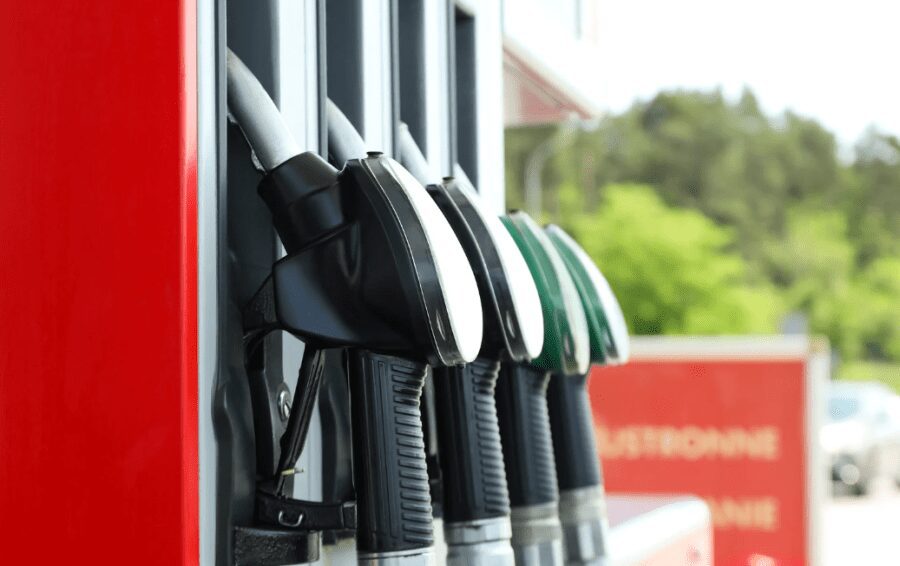
Petrol and diesel prices have hit their highest in nearly 20 months, latest data shows, increasing by between 4.68p and 8.59p per litre. The cost to fill a standard family car has increased by as much as almost £5 in just over a week, with further price rises expected.
Borrowers are also bracing for higher mortgage costs with interest rates expected to rise back to 4 per cent, as a result of an inflation shock triggered by the surge in fuel prices.
Advice NI
As Sinead Campbell, Head of Money, Debt and Quality at Advice NI explains, these increased everyday costs could push families across Northern Ireland into financial difficulty.
She said, “While households continue to assess the cost implications, it’s important to adopt a sensible approach to ensure that outgoings don’t drastically increase. Consider walking where you can to conserve petrol. Set your heating to a timer to ensure it is used efficiently. We would also recommend planning ahead – take a look at the household budget now to identify areas where savings can be made. If you do so and find that there is no wiggle room, talk to us – we are here to help people avoid debt.”
The average debt owed by individuals in Northern Ireland is now sitting at £11,239. Since 2019, Advice NI’s debt service, supported by the Department for Communities, dealt with 25,894 clients with an accumulative £301m in debt. In 2025 alone, it helped 3,500 clients with £40m of debt, signalling just how vulnerable people are to debt.
Fiona Magee, Interim Chief Executive of Advice NI said she was concerned about the impact of inflation on households in Northern Ireland, “We urge leadership to assist people during this time – the struggles households are having are too evident to ignore. People are finding it difficult to cover the cost of essentials.
“Early identification is key in preventing crisis debt and long-term financial harm. We’re living still in a world of austerity. It’s so important that people recognise that organisations like Advice NI, and our debt service, are there to help people. There is an independent advice centre in every Council area with highly qualified advisers. They have links within the local Community and will be able to direct people to foodbanks, local energy support schemes and practical assistance.
“Debt or financial hardship is not a personal failure. It is an unfortunate part of modern life, and asking for help is a sign of strength, not shame. Debt is only a serious problem when it becomes unmanageable, and this can be exacerbated when something unexpected such as a surge in energy prices, hits.”