Speed matters. Businesses are hungry for it, desperate even—because every day lost means revenue that never returns. Construction shouldn’t drag on for months just to raise a simple warehouse or distribution hub. Traditional bricks, mortar, endless queues of tradesmen: who has the patience? Not today’s companies. They’re sniffing out new models, hungry for something built yesterday. Enter steel structures—fast to erect, adaptable to almost any commercial vision, and not nearly as expensive as some would have you believe. The smart money isn’t following nostalgia; it’s hunting real solutions. What does this mean for expansion strategies? Only a complete transformation.
Steel Solutions Without the Hassle
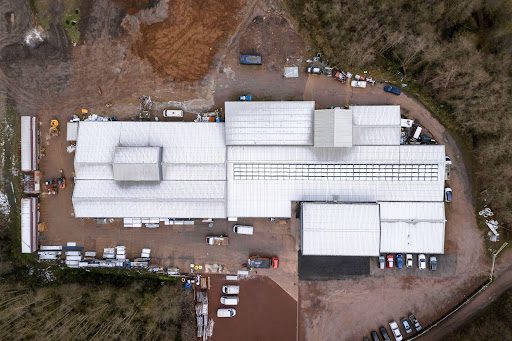
Traditional construction can face delays due to permits, weather, and numerous moving parts. Companies often prefer one team managing everything—from initial concepts to completed buildings on-site. This approach ensures seamless delivery and reduces confusion between contractors and clients. Companies such as MSB Group streamline the process by fabricating steel and handling the entire construction journey, enabling projects like industrial parks to be completed in weeks instead of seasons. This method eliminates the need to rely on multiple contractors and reduces delays caused by external factors like weather, making fast expansion more achievable.
Flexibility That Keeps Up With Growth
Needs change overnight—a business doubles its storage requirement or pivots from logistics to light manufacturing with barely a month’s notice. Traditional buildings aren’t meant for this kind of flexibility; they resist modification like an old oak resists pruning. Steel frames shrug off such concerns entirely. Add bays without fuss; rearrange interiors; move walls tomorrow if needed. Its adaptability is engineered into the material itself, not tacked on after the fact with questionable results and spiralling costs.
Cost Efficiency That Defies Old Logic
The numbers tell their own story once people stop clinging to set-in-stone assumptions about “cheap” versus “quality”. Steel buildings don’t just speed things up—they cut costs over both the short and long terms by wasting less time and needing fewer resources along the way. Labour shrinks because assembly is faster; materials arrive prefabricated instead of piecemeal deliveries, which stretch budgets thin over months of work; and maintenance later down the line is rarely more than a coat of paint here or there.
Durability Built for Tomorrow
British weather doesn’t go easy—not on timber frames shivering in damp, nor concrete cracked by frost heave six winters out of ten. Steel stands up where others falter: resistant to fire, rot, pests and anything else thrown at it by nature or industrial processes inside those walls day after day after day. This durability matters most when longevity equals value—nobody wants another rebuild right after paying off the last project loan.
Conclusion
Steel construction isn’t just catching on—it’s winning hearts and balance sheets across the country because speed alone won’t solve everything unless matched by flexibility, sensible pricing, and long-term resilience against whatever tomorrow brings (good luck forecasting that). The lesson is there in plain sight: businesses determined to expand can keep pace by building smarter, and nothing ticks more boxes at once than modern steel structures rising efficiently from blueprint to bustling operation almost before competitors know what hit them.