Whilst the threat of asbestos exposure has certainly diminished since the turn of the millennium, there are still several lines of work still at risk. Read on to discover which…
In the UK, asbestos has long been banned due to the severe health impacts that even just one-time exposure to the material can cause, such as asbestosis and mesothelioma.
That being said, while the direct use of asbestos is outlawed, it is still possible for people to end up coming into contact with it, often in a professional capacity. This means that, without the correct preparation and procedures, a worker may find themselves having to consult a mesothelioma claims solicitor before they know it.
So, what lines of work might lead to asbestos exposure in the 21st century? Be sure to keep reading to find out!
What is Asbestos?
Asbestos is a naturally occurring mineral that is composed of soft and flexible fibres which are resistant to heat, electricity and corrosion. For those reasons, asbestos was previously considered to be a very useful building material, used in a variety of different ways.
However, asbestos has also been proven to be toxic. When asbestos dust is inhaled or ingested, the fibres can become permanently trapped in the body, which can lead to a number of complex and very serious complications.
Over a long period of time, the trapped fibres can cause inflammation, scarring and genetic damage. Scientific studies have proven that exposure to asbestos can lead to various diseases and cancers. It may also worsen any pre-existing conditions someone might have, prior to exposure.
Conditions resulting from asbestos exposure include:
- Asbestosis
- Mesothelioma
- Pleural effusion
- Pleural plaques
- Pleural thickening
In the vast majority of cases, these diseases are incurable, which hammers home the seriousness of potential exposure to asbestos.
What Lines of Work Can Still Lead to Asbestos Exposure?
There are a number of industries which could potentially lead to asbestos exposure, even in our current times. These are:
Carpentry
An essential part of a carpenter’s job description is remodelling both commercial and residential buildings. This means that, when a carpenter has to work on a structure that was built before the ban on the use of asbestos was enforced, they could be at high risk of being exposed.
Carpenters may have to cut away asbestos moulding and insulation, as well as remove floor and ceiling tiles that have had asbestos added to them. If the correct procedures aren’t taken, there is a risk that asbestos dust will be released into the air and onto the workers.
A 2018 International Journal of Epidemiology study pointed towards the fact that carpenters are one of the highest-risk groups for asbestos-related cancer. What’s more, they’re 34 times more likely to develop mesothelioma than the general population.
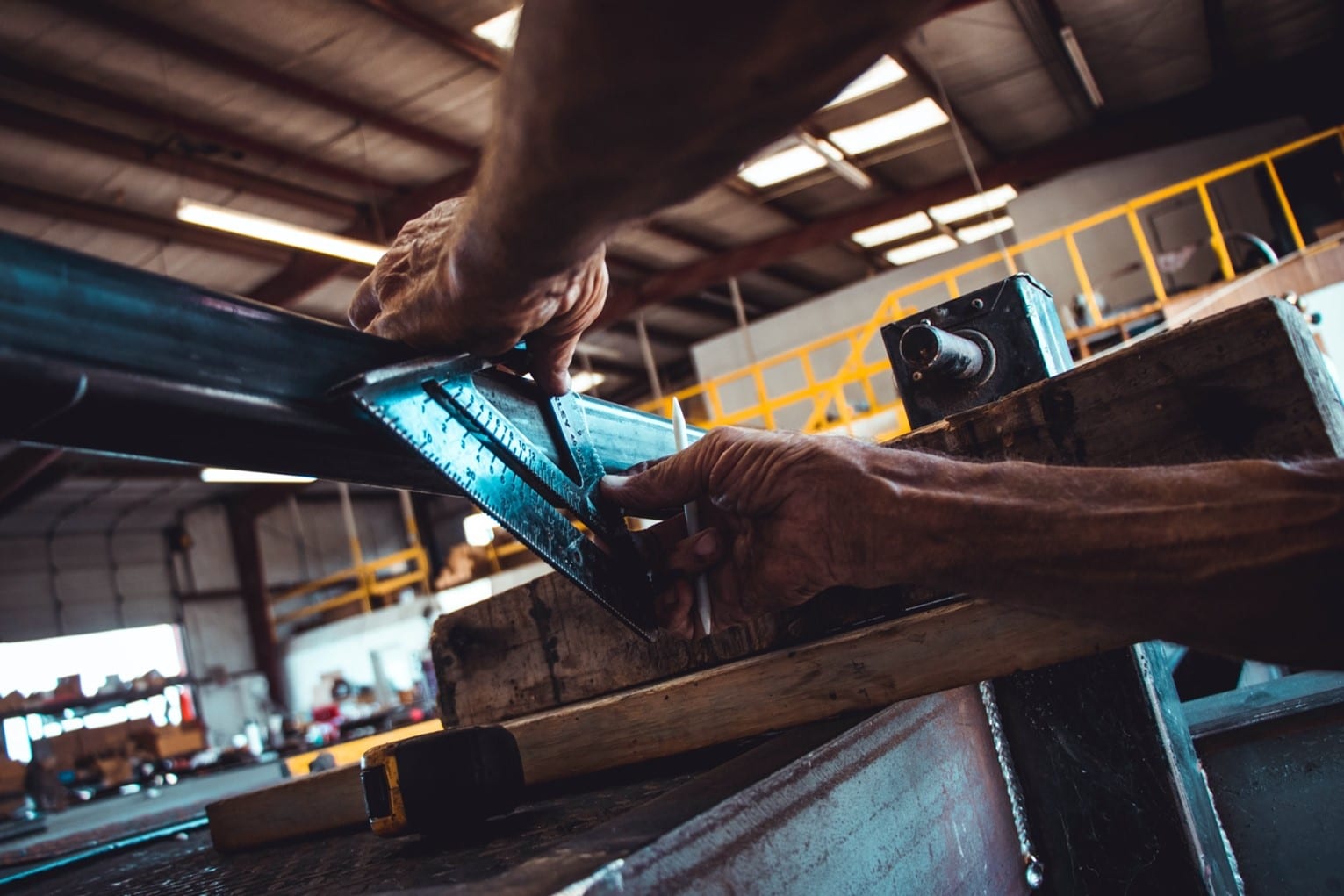 Construction Workers
In a similar vein, construction workers could be at risk of asbestos exposure during their day-to-day activities. If a building needs to be dismantled, or completely repurposed, there is a risk that there is hidden asbestos which could be unknowingly disturbed.
Because the construction industry covers a wide range of different trades, there are various unique occupational hazards that are attributed to each one. For instance, drywall workers will have to contend with the risk posed by dismantling a building’s framework, while bricklayers may be forced to scrape up asbestos-containing mortar.
Plumbers
One of the most difficult parts of a plumber job is having to dismantle asbestos-containing products ready for a brand-new replacement. Of course, this means that they run the risk of asbestos exposure, if they aren’t careful.
Asbestos is a particular concern for industrial plumbers who will be dealing with substantial pieces of equipment.
Firefighting
Many people fail to realise that one of the biggest occupational hazards for firefighters is cancer. Firefighters face a unique exposure risk, which is likely to result in an elevated rate of asbestos-related diseases.
If a building containing asbestos catches on fire, the materials release intense concentrations of toxic mineral fibres into the air, which can prove to be fatal if inhaled. That’s why it’s vital for firefighters to wear the correct safety equipment, as well as making sure to properly decontaminate their gear.
Shipyard Workers
Before the health risks posed by asbestos were well-known, ships were often laden in it during their construction. This presents an issue for shipyard workers who are tasked with dismantling ships after they have been decommissioned.
In the US, a study found that shipyard workers carried a mortality rate from asbestosis that was 16 times higher than that of the average population.
 Can You Be Exposed to Asbestos Outside of a Work Environment?
Following the ban on asbestos, it is much less likely that a member of the general public will be exposed to it outside of a work environment. However, it is still possible.
For example, many people fail to realise that asbestos fibres can remain on items of clothing for long periods of time. This means that, if someone comes home from work after being exposed to asbestos, their partner may wash their clothes and, in turn, be exposed.
Any amount of asbestos exposure is dangerous, no matter how it happens. This means it’s vital for anyone working with asbestos to be mindful of how they clean their clothes and equipment.
Are You Concerned About Being Exposed to Asbestos at Work?
We are fortunate that the potential risk of exposure to asbestos has significantly dropped during the 21st century. However, as you can tell after reading this post, there are still a number of occupations which are less safe than you might think.
The most important thing to keep in mind is that there are countless protocols and safety procedures in place which are designed to keep workers as safe as possible when they are dealing with asbestos. If followed correctly, these procedures help to significantly reduce the risk of exposure.
If your concerned about asbestos exposure at work, then be sure to speak to your employer about their procedures, so you have peace of mind before you get started!