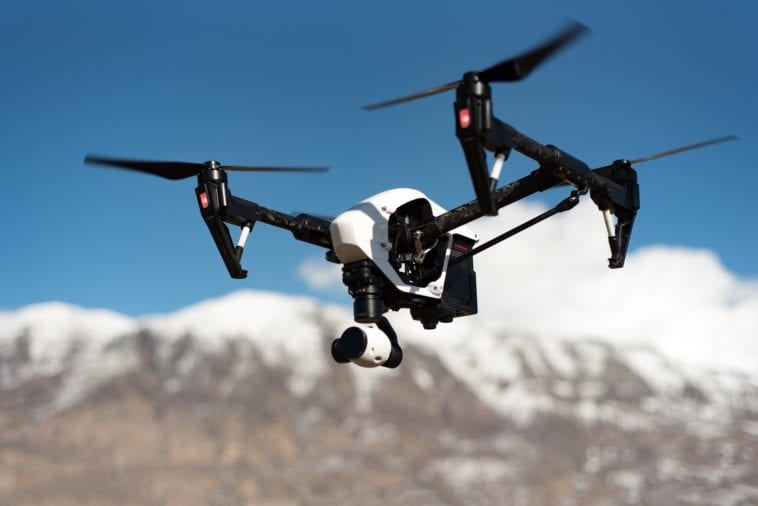
Photography from drones has greatly changed how those on trips record the attractiveness of where they are going to, giving incredible views from above that were previously not possible. But, as drones have become more popular than ever before, many countries and protected places now have strict rules to make sure safety measures are in place along with privacy protections and environmental safeguards too. The process of getting permits or permissions for drone photography can be complicated but it’s very important to know these requirements if you want to use your drone properly and legally.
Understanding Local Regulations
The starting point for working with aerial videographer permits and permissions is to study the local rules of your destination. Various countries have different regulations about where and how drones can be used. Certain nations demand that pilots register their drones and get a license, while others might outline certain no-fly areas like close to airports or military bases as well as crowded public spots.
For example, in the USA the Federal Aviation Administration (FAA) has made it necessary for drone users to enroll their drones and obey Part 107 rules if they are using it for business purposes. This involves passing a knowledge test. On the other hand, the European Union has unified drone regulations throughout its member states with EU Drone Regulation that classifies drones and their operations depending on risk levels.
Obtaining Permits for Protected Areas
Areas that are protected, like national parks, wildlife reserves and heritage sites may have extra rules about using drones to keep the environment and animals safe. Frequently, it is mandatory to possess specific permissions from responsible bodies in order to fly a drone in these zones.
Another example is the National Park Service (NPS) in the United States, which doesn’t allow drones to be used within national parks unless a special permit has been granted. Usually, such permits are given only for scientific research work, emergency operations or certain projects that directly help the park. Similarly in numerous countries, drone operators must acquire permits from wildlife reserves before flying their drones over these areas so as not to disturb animals and their living spaces.
Applying for Permits
The way you apply for drone photography permits can greatly differ depending on where it is and what type of permit you need. Normally, they ask for detailed details about your drone, flight plan and why you want to take pictures.
When applying for permits, It’s vital to think ahead in order to receive it as soon as possible since the review period can be long. For instance, in some national parks it could take a few weeks before they approve your permit application. You might need to give specific information about your drone such as its size and weight range – make sure you have this ready along with details on how skilled you are at flying drones plus what steps or actions will be taken if there is any risk from your flight.
Respecting Privacy and Ethical Guidelines
Besides legal regulations, it is essential to respect privacy and ethical guidelines when conducting drone photography. Always seek consent when filming in populated areas and avoid capturing footage in private properties without permission. Being considerate of others’ privacy not only keeps you within legal boundaries but also maintains public trust and goodwill towards drone enthusiasts.
Conclusion
Handling the process of acquiring permits and permissions for drone photography might be difficult, but it’s an important part of using drones responsibly. By doing good research on local rules, preparing in advance and being careful about the guidelines for every place you visit, people who do drone photography can have fun capturing amazing aerial pictures while also following the requirements and helping to keep environments intact.