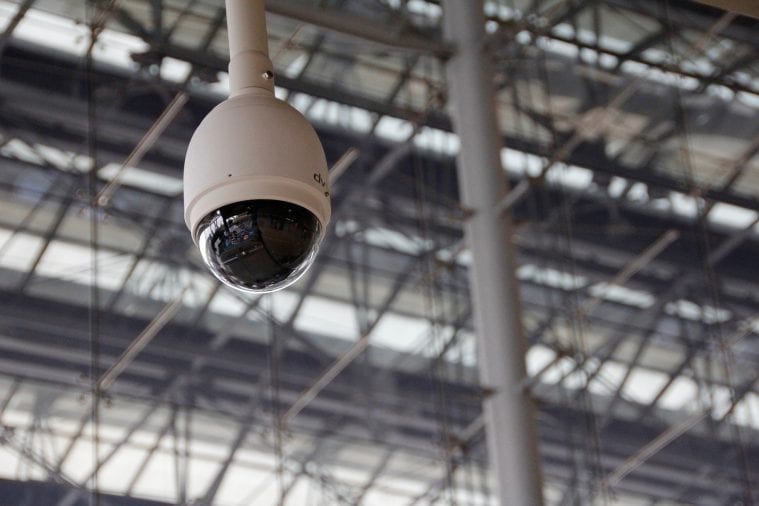
Surveillance technology is not a new invention, and it has been in use across the world for a few decades now. When it comes to the most surveilled cities in the world, London takes third place with 627,727 cameras, right behind Taiyuan and Wuxi, China. In the UK, people are used to cameras. However, there is a new surveillance tide.
At the moment, the UK is considering stepping up its surveillance game. The government has its eyes on facial recognition. On top of that, the government plans to issue special face biometrics vaccination credentials to people who have been vaccinated. Let’s take a closer look at the recent developments in the UK and see facial recognition implications on privacy in the UK.
Why Face Biometrics?
The COVID-19 pandemic didn’t spare the UK. The pandemic claimed almost 60,000 human lives in this country. However, the government is giving its best to balance restrictions and normal life. At the moment, the government is considering allowing UK citizens to resume traveling.
To prevent the spread of the novel coronavirus, the government expects the citizens to get vaccinated. People will have to go through face biometrics checks at borders, and the newly issued ID will enable them to prove that they’ve been vaccinated.
Besides vaccination credentials, UK citizens will also carry freedom passes once the vaccination program starts. The requirements are made pristine clear. A person has to be tested negative for coronavirus. The tests have to be done within the same week, and both be negative for a person to be eligible for a freedom pass.
The potential problem with the newly issued documents lies in facial recognition and NFC-powered chips. New documents may incorporate both security features. Yes, facial recognition and NFC chips enable the authorities at borders to quickly identify imposters and potentially prevent the spread of coronavirus. At the same time, it means more cameras and more control, which translates into less privacy.
What UK Citizens Think About Facial Recognition?
Fortunately, we are not the first to ask this question. London-based Ada Lovelace Institute organized and launched a nationwide survey to shine the light on what people think about modern surveillance technologies, facial recognition included.
The results are somewhat expected. British adults, the survey participants, had nothing against facial recognition technology as long as it was used to achieve a public benefit. This encompasses using the technology to streamline passport checks on borders and airports, unlock smart devices, and backup criminal investigations.
Many of the survey participants expressed their concerns with police using facial recognition technology. In their opinion, the new technology only normalizes surveillance and significantly infringes privacy. They also expressed concerns about whether the police are capable and ready to use facial recognition ethically.
The bottom line of the survey is that without proper regulation, the use of technology for surveillance should not be greenlighted. When it comes to “immunity passports,” you should also know that businesses might have the freedom not to let you in if you don’t carry one.
Facial Recognition in Practice and Privacy Rights Violation
The EU has outlined the data-protection rules. Police can monitor, record, and store the facial recognition and biometric data only if very specific safeguards are in place. A simple question can sum up the main problem of the “Biometrics and facial recognition” debate. Is it worth putting hundreds of thousands of people under surveillance to catch a criminal or COVID-19 positive person?
Meanwhile, the British Judges didn’t come out with a bulletproof opinion. At the moment, they think the surveillance may be justified if the police have complete control over its use. Let us remind you about the UK citizen, a man named Ed Bridges.
When he was visiting Cardiff, UK, the police facial recognition cameras scanned him. At that time, the police were searching the crowds to find people of interest. Ed Bridges sued the police in South Wales. He claimed that his right to privacy had been breached because the cameras mentioned above scanned him.
The outcome is somewhat interesting; a UK court ruled that the police actions were unlawful. The judge stated that the police surveillance initiative didn’t have enough rules and regulations. The police also didn’t check if the facial recognition software had any gender or racial bias. However, the court concluded that live facial recognition cameras didn’t breach Ed Bridge’s privacy rights.
The current developments raise more privacy concerns than ever. Currently, many people battle digital surveillance and commercial profiling by using a VPN. This tool encrypts your web traffic and renders you more anonymous than ever. However, with the increasing number of devices designed for surveillance, they become far more difficult to escape. The motion to use NFC chips and live facial recognition cameras extend the existing privacy concerns. On top of that, there are very few regulations to control the use of these technologies in the surveillance landscape. So, the question still lingers, and we can only wait and see what the future will bring.