The way we work is changing quickly. Smart assistants are taking on tasks, and more people are working flexible hours. In fact, 75% of business leaders say adopting new technologies like AI is essential for staying competitive. Adopting these innovations is crucial to remaining relevant as the workplace changes.
As we get closer to 2026, how can you get your business ready? The answer lies in adapting to new trends that create smarter and more efficient work environments.
This article highlights three main trends shaping the future of work: the use of AI, the rise of flexible workspaces, and the automation of knowledge tasks. These trends focus on more than just technology; they aim to build adaptable workplaces that can prosper during changes.
AI and Copilot Tools Are Reshaping Productivity
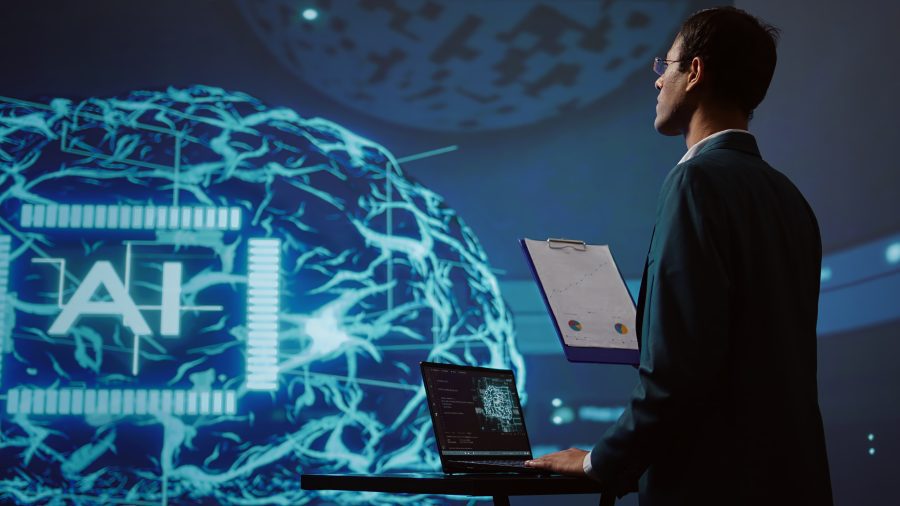
Artificial Intelligence (AI) has moved from being a future concept to a current reality. In the next few years, businesses will start using AI more widely in all areas, not just in specific roles. AI is becoming an essential part of everyday operations. It aids with tasks such as managing repetitive work and facilitating immediate data analysis.
“AI is redefining productivity as the art of directing intelligence – knowing where to focus human creativity and where to let technology take over,” say experts at Bridgehampton.io, who specialise in Microsoft Copilot Implementation as part of wider Modern Work strategies.
The key message is to view AI as an enabler of productivity, not a replacement for people. Business leaders should focus on equipping employees with the skills and confidence to use AI tools effectively, helping them enhance their work rather than fear automation.
When integrated thoughtfully into daily operations, AI can streamline workflows, reduce manual effort, and free teams to focus on strategic, high-value initiatives.
The Shift Toward Agile and Flexible Work Models
The traditional 9-to-5 workday is changing. By 2026, companies will continue to adopt flexible work environments. Workers prefer to choose their work schedule and location rather than being confined to a desk. This flexible way promotes teamwork, creativity, and adaptability, all of which are crucial for companies to thrive in a changing market.
A recent study found that 28% of adults in the UK worked in a hybrid way from January to March 2025. This shift presents a major opportunity for SMEs. By using flexible work practices, these enterprises can form teams that promptly adapt to shifts in the market. Agile practices allow teams to test new ideas, evaluate them fast, and make necessary adjustments.
Entrepreneurs should consider offering flexible work options such as hybrid models and adjustable hours. A flexible workplace can help attract and retain talented employees, which is vital in a competitive job market.
Automation Is Redefining Repetitive Knowledge Work
Automation is transforming how we work, extending its impact from factories to offices and other knowledge-based jobs. Tasks that used to take a lot of time, like data entry, report writing, and customer service queries, are now handled by automation tools. This change lets employees focus on new ideas, planning, and problem-solving.
By automating repetitive tasks, companies can work faster, make fewer errors, and save money. For example, customer relationship management systems can automatically log customer interactions and offer valuable insights. Chatbots can handle many customer service inquiries at once. Businesses see benefits: automation increases productivity and allows employees to focus on tasks that add more value.
According to Automate UK, 83% of UK manufacturers believe automation is on the rise. However, many smaller companies hesitate to adopt it due to financial risks and a lack of skilled staff.
However, companies must remember that while automation can improve processes, human judgment and oversight are still required. Leaders need to identify which tasks can be automated and where human skills are essential.
How to Prepare Modern Work for 2026
As companies plan for the future, it is critical to prepare for upcoming changes. To stay competitive in 2026 and beyond, business leaders should focus on these key areas over the next 12 to 18 months:
- Assess Your Digital Maturity: Assess the technologies your company currently uses and spot where improvements are needed. Investing in AI, teamwork tools, and automation can boost productivity.
- Invest in Employee Training: Ensure your team has the skills and knowledge to make the most of AI and automation tools. This will improve efficiency and assist your employees feel engaged and empowered.
- Revisit Company Culture: Create a workplace that values agility and flexibility. Encourage teamwork, continuous learning, and openness, which will be crucial in the fast-changing environment of 2026.
- Build Adaptable Teams: Companies require teams that can adjust instantly in a world that is constantly changing. Focus on building a flexible workforce that is ready to lead during uncertain times.
By acting now, companies can stay competitive and thrive in the future workplace.
Conclusion
As we look ahead to 2026, we see a clearer picture of the future of work. Businesses that will succeed are those that adopt AI, automation, and flexible workspaces. They will also need to equip their teams with the right tools and skills.
By making changes now, companies can thrive in a changing environment and discover new opportunities.