We often focus on the threats of new digital technology, but it has a lot to offer us in improving physical security. With cybersecurity dominating the corporate agenda, physical site security can be overlooked despite its importance against fighting data theft, corporate espionage, spying, and operational disruption.
Tailgating, social engineering, and identity forgery threaten corporate assets daily. Protecting a facility comprehensively is to protect against social engineering and identity forgery, and this needs a multi-layered approach to identity verification, not just lock-and-key.
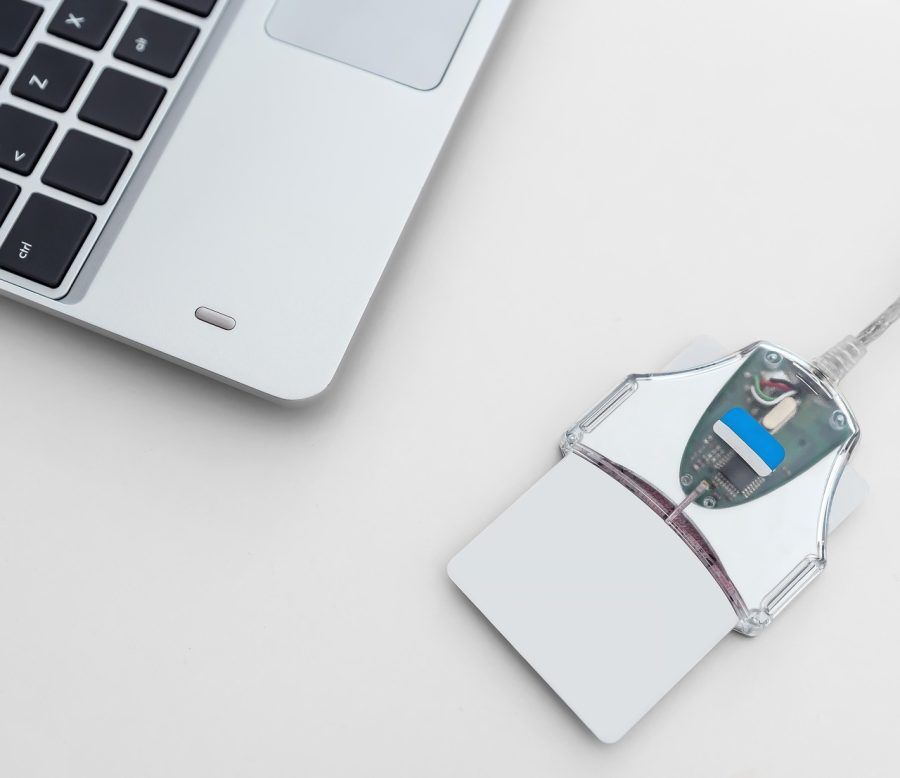
You need a baseline for physical identification, such as Magicard card printers distributed by the industry-leading Brady UK, to make sure that issued credentials cannot be easily duplicated.
These access points will protect tangible property, but also be a core part of corporate data protection so that unauthorised personnel cannot access server rooms or sensitive physical archives. Then, it’s about mapping out who has access to what (and why).
The cost of physical security breaches
You may think of laptops and television displays being stolen upon a physical security breach. But actually, this may be the least of your worries, especially in a shared office block. Instead, it’s the data that becomes a concern.
Intrusion comes about when bad actors use social engineering tactics to bypass reception desks, perhaps telling believable lies, or using a fake lanyard and uniform. They try to use the busy corporate environment to their advantage and blend in.
Once inside, compromise tactics include:
- Planting malicious USB drives directly into unattended network ports.
- They can skim network terminals in empty conference rooms.
- They can steal physical documents containing sensitive intellectual property left on desks
The UK government’s Cyber Security Breaches Survey reports that 43% of UK businesses experience a security breach or attack within any given 12-month period. For medium enterprises, this balloons to 65%, while large businesses experience an attack rate of 69%. There is a broader economic drain going on here, costing the UK economy billions each year.
When an intruder infiltrates a premises, there’s a huge effort of financial recovery, regulatory penalties from the Information Commissioner’s Office (ICO), and long-term reputational damage all combined. Dealing with PR and regulators at once, when there are still unknowns, can drain labour hours.
Implementing strict on-site visitor badge systems
There needs to be a more effective way to manage third-party access without disrupting daily operations. It must be frictionless, yet secure, else you risk wasting resources with clunky checkpoints.
Paper-based visitor logbooks only leaves facilities vulnerable – they’re easily fabricated and difficult to audit. Upgrading to automated on-site visitor badge systems using proven software has with it many advantages, like live data showing exactly who is inside a facility at any given moment.
Colour-coded card and badge systems can do a great job in segmenting the workforce. So, permanent staff might wear blue lanyards and photo ID cards, while the contractors and temps carry green badges and single-day visitors wear orange badges. In one glance, you can see if someone is where they’re not meant to be. Bright colours help spot them from afar, but it’s also possible to print expiration times onto the badges too, and, in some cases, it will fade after a day, making it unusable the following day unless it’s been verified and printed again.
Advanced security features to prevent visual ID fraud
Simple photo ID cards can still be cloned, or creating fake credentials to exploit any checkpoints. Defending against these threats means using integrated physical security features actually into the credential issuance process. So, no longer just a photo ID, but various layers of verification.
Holographic watermarks can be used that are invisible under standard light but reveal three-dimensional geometric patterns when tilted can be more difficult to clone. Organisations must also safeguard the back-end data used to create these credentials of course.
Physical credentials into a holistic security strategy
A secure identification badge is severely held back if the workplace culture isn’t vigilant too. Who’s keeping an eye out for the colour badges? What’s the use of a key fob if you’re going to hold the door open to strangers?
Politeness can be a security weakness, and it’s in the training details that these get ironed out. Developing a culture of mutual accountability is needed fortightening business security, where each employee becomes an active participant in the facility’s defense. The more eyes the better, rather than delegating it just to a few.
Visual identity should be combined with smart cards or RFID chips embedded in the badges. This is the second layer verification where a card can be electronically validated at a turnstile and visually verified by colleagues on the floor – similar to 2FA for a mobile app.
Security awareness training helps teach staff how to politely challenge unbadged visitors and report tailgating behavior to security personnel immediately, ensuring that security protocols are lived out rather than just written in a policy manual.