The marketing landscape is ever-evolving, with new trends and strategies emerging regularly. Amidst this change, one element has remained a constant favourite: branded merchandise. If implemented thoughtfully, branded merchandise can be a powerful tool in your marketing arsenal.
Ready to harness the power of branded merchandise? Here’s your roadmap to skilfully integrating it into your marketing strategy:
Understand Your Target Audience
Understanding the target audience is crucial when integrating branded merchandise into a marketing strategy. Your brand must comprehensively understand your audience’s demographics, interests, and preferences to create merchandise that resonates with them.
Here are a few tips on how to understand your target audience effectively:
- Conduct Demographic Analysis: Analyse the age, gender, income level, and geographical location of the audience. This information helps tailor the merchandise to suit the intended audience’s needs.
- Carry Out Surveys And Feedback: Ask the audience about their preferences, dislikes, and suggestions. This feedback provides first-hand information about what the audience wants.
- Analyse Buying Habits: Understand the audience’s purchasing patterns and product preferences. This will aid in creating merchandise that aligns with their tastes.
- Leverage Social Media Insights: Monitor the audience’s activities, engagements, and behaviours on various social media platforms to gain deeper insights into their interests.
Understanding your target audience will ensure the merchandise designed and produced is well received and adds value to the marketing efforts, enhancing brand visibility and audience engagement.
Choose Relevant Products
Selecting relevant products is another fundamental step in successfully integrating branded merchandise into a marketing strategy. The merchandise should reflect your brand’s identity, values, and goals. More importantly, it needs to align with the interests and lifestyle of the target audience.
Consider these tips when choosing relevant products:
- Align With Brand Identity: Choose products that reflect the brand’s personality and message. They should represent what the brand stands for.
- Ensure Practicality: Select items that are useful in everyday life. Practicality increases the likelihood of the merchandise being used, thus boosting brand visibility.
- Consider Quality: High-quality merchandise reflects positively on the brand’s image. Prioritise quality over quantity to ensure a lasting impression.
- Tailor To Audience’s Lifestyle: If the audience is environmentally conscious, choose eco-friendly products. If they’re tech-savvy, opt for tech gadgets.
By choosing relevant, high-quality, and useful products such as custom mugs and cups, you can enhance your chances of connecting with your audience, strengthening your overall marketing strategy.
Maintain High-Quality Standards
Maintaining high-quality standards is essential when incorporating branded merchandise into a marketing strategy. High-quality merchandise enhances your brand’s image and fosters trust and loyalty among consumers.
Emphasising quality involves careful selection of materials, meticulous design execution, and thorough quality checks. This commitment to quality assures that the merchandise effectively represents your brand, resonates with the target audience, and boosts overall marketing efforts.
Design Your Merchandise Effectively
Effective merchandise design plays a pivotal role in the successful inclusion of branded merchandise in a marketing strategy. The design should be visually appealing, embody your brand’s identity, and create a lasting impression on the target audience.
Consider these tips for effective merchandise design:
- Consistent Branding: Ensure the design features your brand’s colours, logo, and typography. Consistency strengthens brand recognition.
- Simplicity Is Key: Overly complicated designs can detract from your brand message. Aim for simplicity and clarity.
- Quality Over Quantity: Invest in high-quality printing and materials. The longevity of your merchandise reflects on your brand’s image.
- Memorable: Strive to make your design unique and memorable. It should stand out in a sea of merchandise.
Effective design enhances the aesthetic appeal of the merchandise and maximises brand visibility. When well-executed, it can turn branded merchandise into powerful tools for customer retention and brand awareness.
Plan Your Distribution Strategy
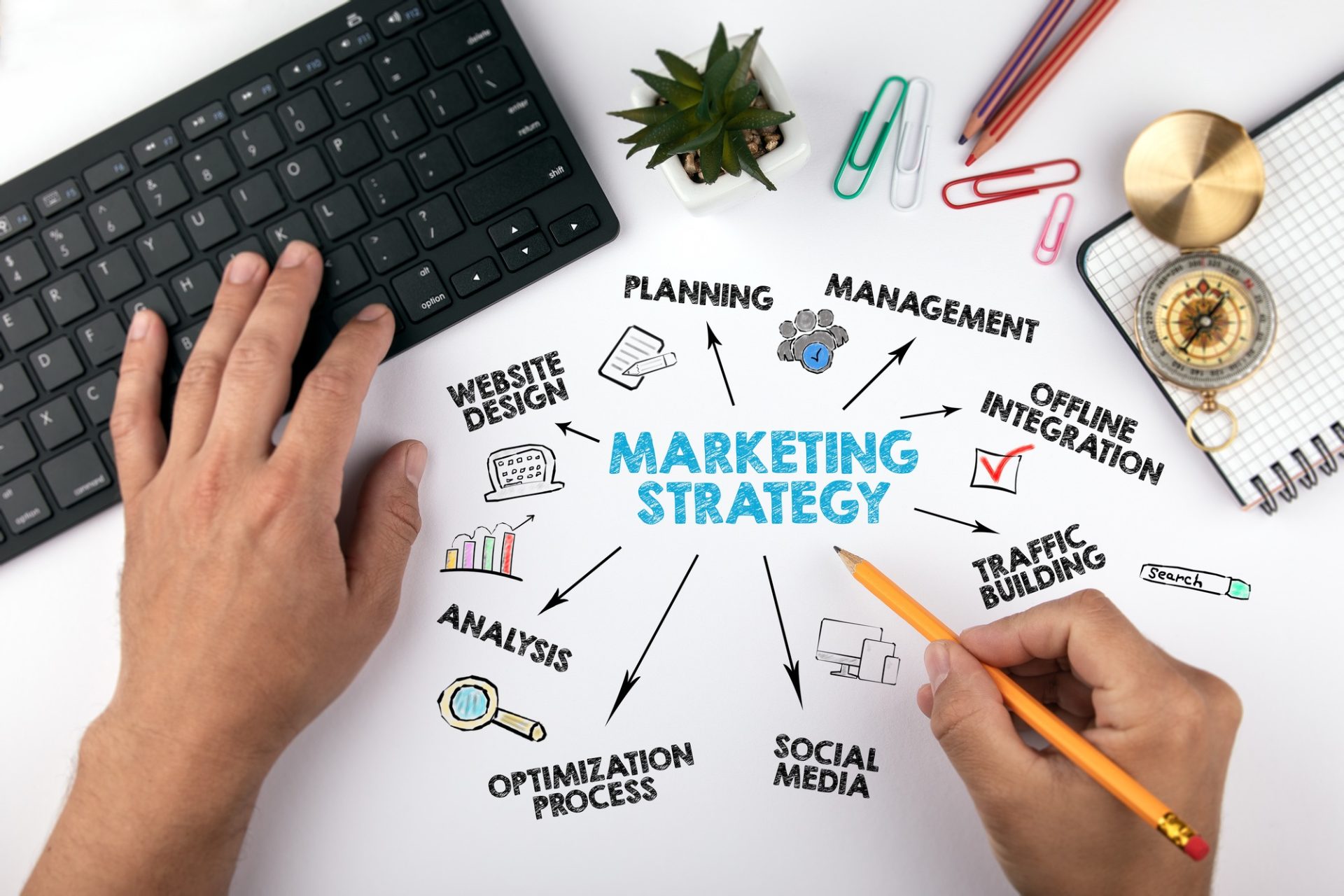 Planning an efficient distribution strategy is vital when incorporating branded merchandise into a marketing strategy. This ensures that the merchandise reaches the target audience at the right time and place, maximising its impact and effectiveness.
Here are some tips for an effective distribution strategy:
- Identify Distribution Channels: Depending on the target audience, select the appropriate channels for distribution. This could include online platforms, events, or physical stores.
- Timing Is Key: Coordinate the distribution with marketing campaigns or events for maximum impact.
- Consider Packaging: Packaging should be attractive and consistent with your brand’s image. It is an extension of the product and can enhance the overall experience.
- Monitor And Adjust: Regularly evaluate the effectiveness of the distribution strategy and adjust as needed.
By carefully planning the distribution strategy, your brand can ensure that your merchandise reaches your target audience and enhances your marketing efforts, increasing brand visibility and customer engagement.
Measure The Success Of Your Strategy
Measuring the success of a strategy is critical in effectively incorporating branded merchandise into a marketing strategy. You need to track key performance indicators (KPIs) to determine the efficacy of your efforts and make necessary adjustments.
Here are some tips to effectively measure the success of your strategy:
- Track Sales: Analyse the impact of the merchandise on sales. An increase might indicate successful integration.
- Survey Customers: Gather customer feedback to determine their satisfaction with the merchandise and its perceived value.
- Monitor Brand Awareness: Use tools to track changes in brand awareness and visibility after introducing the merchandise.
- Evaluate ROI: Calculate the return on investment (ROI) to assess the financial effectiveness of the strategy.
By continuously measuring and adjusting the strategy, you can ensure the successful integration of merchandise into your marketing efforts, leading to increased brand visibility, customer loyalty, and overall growth.
Conclusion
Integrating branded merchandise into your marketing strategy isn’t just about slapping your logo on a product. It’s a multifaceted process involving understanding your audience, choosing relevant products, maintaining quality, designing effectively, planning your distribution, and measuring success. It’s a substantial commitment, but when executed correctly, the return on investment makes it all worthwhile.