
The only constant in gaming is that it’s always changing. The landscape for players today looks very different to how it did just a decade ago and, if you travel back even further, it becomes almost unrecognisable.
Obvious things like the types of games we like to play, how we like to play them, and who we play them with have all evolved over time.
But less obvious changes have also occurred, including how you buy games, how much you pay for them, how long a game remains on the market, who publishers target with their marketing, and the tools they use to get their messages across.
From Belfast to Bangkok, right across Northern Ireland, south of the border, across the Irish Sea, and beyond, gaming continues to change. Let’s take a look at some of the many factors driving this change.
Reaching New People
Just a few decades, developers and video game publishers focused mainly on marketing to young men. Of course, anyone could pick up and play a game, should they so choose, but the ad campaigns and marketing efforts from publishers primarily targeted this one demographic.
This may have made sense at the time, helping to position gaming as a new and cool activity while using aspirational marketing to encourage others to buy too.
But over time, publishers have realised that they can significantly increase their bottom line by simply broadening their efforts to cover more groups of people.
This has been a gradual shift, but it began delivering fruit in the 2000s following the release of the Nintendo Wii and original iPhone. These devices helped to make gaming more accessible and socially acceptable, with even your aunty Doris able to play.
This trend continues today, with brands continuing to improve accessibility in gaming.
One of the best examples is in iGaming, where leading companies like PokerStars have improved access to card games by providing a range of educational resources and guides on how to play poker that cover everything from the basics to advanced strategies.
As the internet, the availability of smartphones, and the rise of free-to-play models continue to contribute to the breaking down of barriers like platform accessibility, cost, and time, learning materials help to remove another step in gaming accessibility by helping players to improve their understanding and build the skills necessary to enjoy the game.
Pricing and Payments
Traditionally, video games have been much more expensive to buy than other forms of entertainment, at least as an upfront cost.
While you could visit the cinema for around £10, or stream unlimited movies and TV shows for a similar amount per month, video games often cost significantly more. Bought at full price, a AAA title from a major publisher like Electronic Arts or Take-Two Interactive would set you back £50-60.
Dropping that much on a game can be unaffordable for many players, which means publishers miss out on additional revenue, as well as the benefits of mass adoption and social media hype
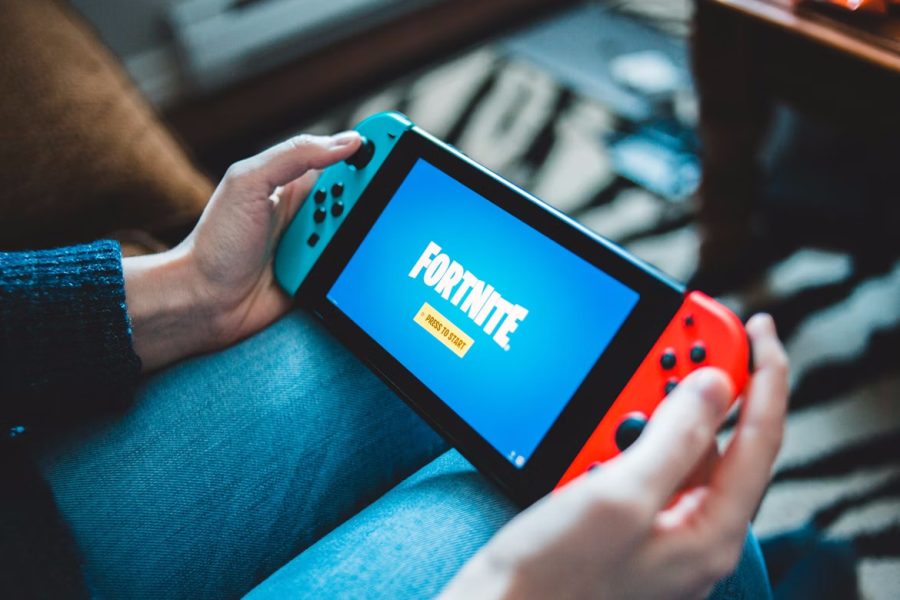
To address this, we’ve seen a trend towards an increasing number of games being given away for free or at a reduced rate, with the option to then buy in-game items through microtransactions. This has helped to extend the life of games like Grand Theft Auto Online, Fortnite, and Counter-Strike to more than a decade, a feat that would have seemed impossible 20 years ago.
However, there is pushback amongst many gamers, who complain that this increased focus on ongoing revenue has degraded the quality of games, as developers focus on how to increase sales rather than make fun and engaging content.
With the release of Grand Theft Auto VI on the horizon, there is even talk of this being a watershed moment for video game pricing which sees their price rise to closer to £100 each.
For some, this will be truly unaffordable. Others will see it as a welcome moment to change the direction of the gaming industry. Higher up-front prices for games suggests a return to a model in which players get access to the entire game in one go, allowing developers to move away from microtransactions.