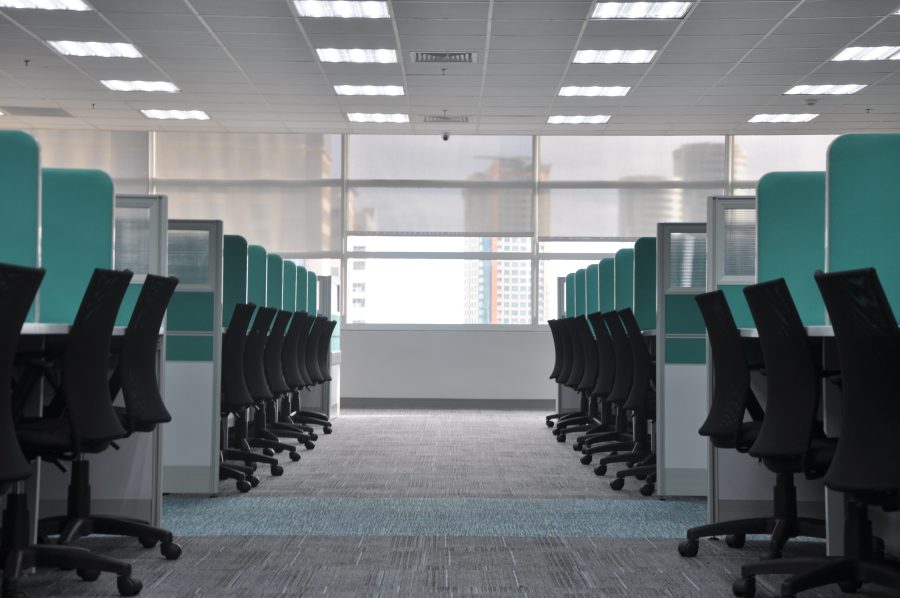
A well-designed office space plays a crucial role in shaping the work environment and influencing employee well-being. The physical workspace is not merely a place where tasks are completed; it is an environment that can either enhance or hinder productivity, creativity, and overall job satisfaction. As businesses strive to attract and retain top talent, the significance of office fit outs has come into sharper focus. An effective office fit out does more than just refresh a space; it can transform the way employees feel about their work, increase engagement, and foster a positive company culture. This article delves into the various aspects of office fit outs and how they can significantly boost employee well-being and productivity.
Key Elements of an Effective Office Fit out
An effective office fit out is built on several key elements that collectively create a functional and inspiring workspace. One of the primary considerations is space planning, which involves optimising the layout to ensure that it meets the needs of both the organisation and its employees. This includes designing areas for collaboration as well as quiet zones for focused work, ensuring that the office accommodates different working styles.
Another crucial element is the choice of materials and finishes. These should not only align with the company’s brand but also contribute to the comfort and health of the employees. For example, using natural, sustainable materials can enhance air quality and reduce environmental impact, while ergonomic furniture can help prevent work-related injuries and discomfort.
Lighting is also a vital component. Incorporating ample natural light and adjustable artificial lighting can reduce eye strain and improve mood, leading to higher productivity levels. Together, these elements create a harmonious and efficient workspace that supports the well-being and effectiveness of employees.
How to Tailor Your Office Design to Support Employee Wellness
Tailoring your office design to support employee wellness requires thoughtful consideration of both physical and mental well-being. In cities like Manchester, where companies compete for top talent, an attractive and healthy workspace is vital. Incorporating ergonomic furniture can prevent strain and injury, while adjustable workstations allow employees to change positions throughout the day, reducing fatigue. Integrating natural elements, such as plants and natural light, can boost mood and reduce stress. Additionally, creating spaces for relaxation and social interaction supports mental wellness. A well-planned office design in Manchester not only enhances well-being but also helps create a work environment where employees can thrive.
Incorporating Flexibility and Functionality in Your Office Fit out
Flexibility and functionality are key to a successful office fit out. A versatile workspace can adapt to the evolving needs of your business and employees. This includes modular furniture that can be reconfigured easily, allowing teams to adjust their space for collaborative projects or quiet work as needed. Incorporating flexible workspaces, such as hot-desking areas and multipurpose rooms, supports various working styles and fosters collaboration. Functionality should not be compromised for design; every element of the fit out should serve a purpose, from storage solutions to technology integration.
Expert Tips for Planning a Seamless Office Fit out
Planning a seamless office fit out requires careful consideration and expert guidance. Start by defining your goals and budget, ensuring that both align with your business objectives. Engage with an experienced fit out company early in the process to benefit from their expertise in space planning, design, and project management. Clear communication with all stakeholders is crucial to avoid misunderstandings and ensure that everyone’s needs are met. Consider the timing of the fit out to minimise disruption to your business operations. Finally, conduct regular site visits to monitor progress and address any issues promptly. These steps help ensure a smooth process and a successful transformation of your workspace.
Balancing Aesthetics and Practicality in Office Design
Balancing aesthetics and practicality is essential for creating an office environment that is both beautiful and functional. While it’s important for the workspace to reflect the company’s brand and culture, it must also meet the practical needs of employees. This means selecting materials and finishes that are durable and easy to maintain while also contributing to the overall design aesthetic. Thoughtful placement of furniture and workstations can enhance the flow of the space, making it easier for employees to move and collaborate. Striking the right balance between aesthetics and practicality ensures that the office remains a pleasant and efficient place to work.
The Psychological Impact of a Well-Designed Office Space
The design of an office space has a profound impact on the psychological well-being of employees. A thoughtfully designed environment can foster a sense of belonging and pride among workers, which in turn enhances motivation and engagement. For instance, incorporating elements such as plants, artwork, and comfortable breakout areas can create a more welcoming atmosphere that encourages creativity and relaxation.
Moreover, the colours and textures used in an office design can influence mood and cognitive function. Warm colours may evoke feelings of comfort and security, while cool colours can promote focus and calmness. The use of open spaces and natural elements can reduce feelings of confinement and stress, contributing to a more positive work experience.
Additionally, personalisation of workspace allows employees to feel more connected to their environment, which can increase job satisfaction. When employees are comfortable and content in their surroundings, they are more likely to be productive, collaborative, and committed to their work.