Advanced materials are revolutionising various industries, offering enhanced performance, durability, and sustainability. These innovations are driven by the need for more efficient production processes, cost-effective solutions, and environmentally friendly practices. As we delve into the evolution and impact of these materials, it becomes clear that their role is pivotal in shaping the future of industry.
The Evolution of Material Science
Material science has come a long way from the basic use of natural elements to the development of complex compounds engineered to meet specific industrial needs. Historically, the discovery and utilisation of materials such as metals, polymers, and ceramics marked significant technological advancements. Today, the field is experiencing unprecedented growth, driven by research and technological advancements. Scientists are now able to manipulate materials at the molecular level, creating composites and alloys that offer superior properties compared to their traditional counterparts. This evolution has led to the development of materials that are lighter, stronger, and more resistant to extreme conditions.
Innovative Applications of Advanced Materials
The applications of advanced materials are vast and varied, touching almost every sector. In the aerospace industry, lightweight composites are crucial for reducing fuel consumption and enhancing performance. The automotive industry benefits from high-strength steel and aluminium alloys that improve safety and efficiency. In electronics, materials with unique electrical properties are essential for the development of faster and more efficient devices.
Healthcare is another sector greatly impacted by material innovation. Biocompatible materials are used in medical implants and prosthetics, improving patient outcomes and quality of life. Additionally, advanced materials are integral in the development of renewable energy technologies, such as solar panels and wind turbines, contributing to a more sustainable future.
The Role of Custom Rubber Solutions in Modern Industry
Custom rubber solutions play a significant role in modern industry, providing versatility and reliability in various applications. Rubber manufacturers, particularly in the UK, are at the forefront of producing high-quality rubber components tailored to meet specific industrial needs. Companies like Walker Rubber exemplify this trend, offering custom solutions that enhance performance and efficiency in machinery and equipment.
Rubber suppliers provide materials that are essential in sealing, insulation, and vibration damping applications. The adaptability of rubber makes it an ideal choice for industries ranging from automotive to aerospace, where precision and durability are paramount. Walker Rubber, a prominent name among rubber manufacturers in the UK, leverages advanced technologies to produce components that meet stringent industry standards.
Impact on Manufacturing Processes
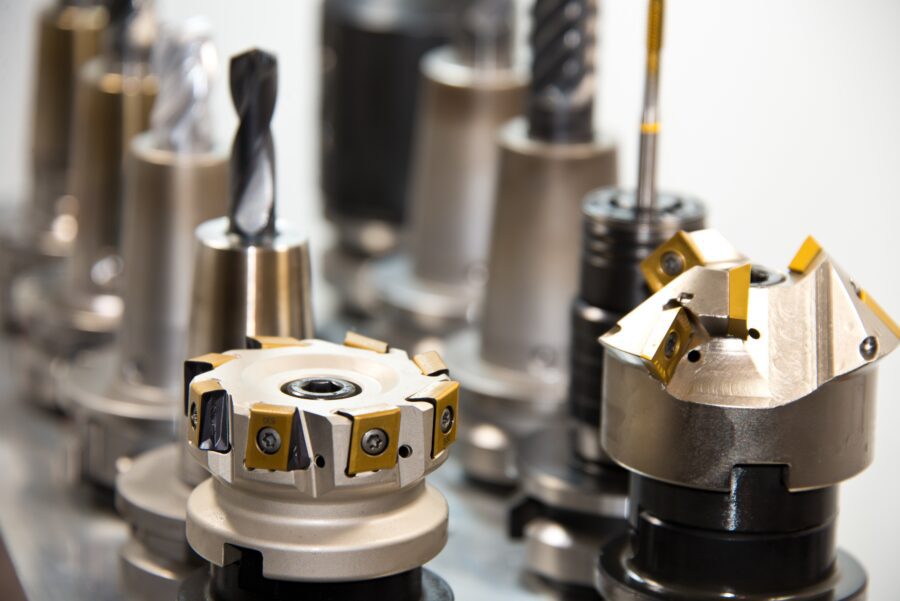
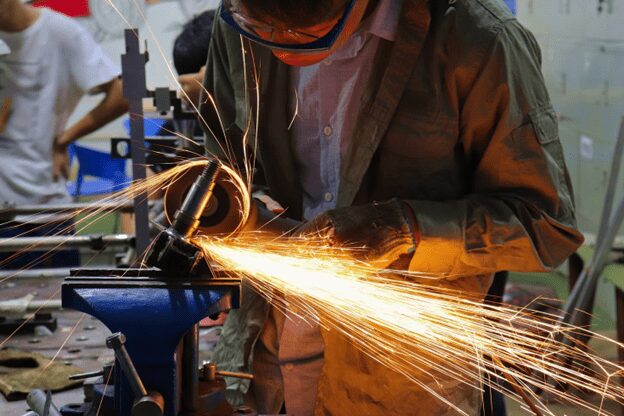
The integration of advanced materials into manufacturing processes has led to significant improvements in efficiency and productivity. These materials often require new manufacturing techniques, such as additive manufacturing (3D printing) and advanced machining processes, which offer greater precision and reduce waste.
For instance, the use of lightweight composites and high-strength alloys allows for the production of components that are not only more robust but also lighter, leading to increased energy efficiency in transportation and other sectors. The ability to produce complex geometries with advanced materials also opens up new possibilities for design and innovation.
Enhancing Durability and Performance with New Materials
Durability and performance are critical factors in industrial applications, and advanced materials excel in these areas. Materials such as carbon fibre composites and high-performance polymers offer exceptional strength-to-weight ratios, making them ideal for demanding applications. These materials are designed to withstand harsh environments, including extreme temperatures, corrosive substances, and high stress.
The use of such materials extends the lifespan of components, reduces maintenance costs, and improves overall reliability. This is particularly important in industries like aerospace and automotive, where failure of a single component can have catastrophic consequences.
Sustainability and Eco-Friendly Material Innovations
Sustainability is a driving force behind the development of advanced materials. The push for eco-friendly solutions has led to the creation of materials that are not only high-performing but less damaging to the environment. Biodegradable polymers, for example, are being developed to reduce plastic waste and its impact on the environment.
Recycling and reusability are also key considerations. Advanced materials are being engineered to be more easily recyclable, reducing the environmental footprint of industrial processes. Additionally, the use of sustainable raw materials, such as bio-based feedstocks, is gaining traction, further contributing to a circular economy.
Conclusion: The Road Ahead for Advanced Materials in Industry
The future of industry is undoubtedly intertwined with the continued advancement of material science. As research progresses and new materials are developed, their applications will expand, driving further innovation and efficiency across various sectors. The focus on sustainability will ensure that these advancements contribute to a greener and more sustainable future.
Moreover, the collaboration between industries and material scientists will be crucial in overcoming the challenges that come with implementing advanced materials. This includes addressing issues related to cost, scalability, and integration into existing manufacturing processes. The development of new standards and regulations will also play a vital role in ensuring the safe and effective use of these materials.
The advancements in material science are set to transform industries, enhancing performance, reducing environmental impact, and paving the way for a future where innovation and sustainability go hand in hand. The journey of integrating advanced materials into mainstream industry may be complex, but the rewards in terms of technological progress and environmental stewardship are well worth the effort.