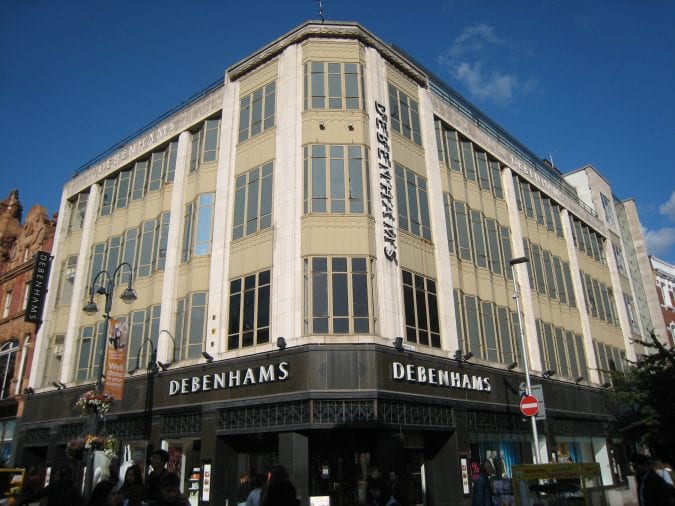
Debenhams called in the liquidators on December 1st, 2020, just after the Arcadia Group fell into administration. Both once well-established in retail, now among the casualties of 2020; along with brands like Monsoon, Laura Ashley, and Peacocks.
It’s been an especially tough year for business, retailers or otherwise. Employees will no doubt be concerned about the future, but it’s important to remember the lucrative Christmas trading period doesn’t always bring the sales to save a company. Come January 2021, more familiar names could disappear.
Here’s a reminder of some of the names who entered administration or liquidation around Christmas, and then disappeared from the high street.
Woolworths
Affectionately known as ‘Woolies’, Woolworths was an iconic sight on British high streets. Famous for its ‘Pick ‘n’ mix’ confectionary, the chain sold a mix of clothes, home items and toys. Despite being well-established, the chain was already in financial trouble before the 2008 ‘credit crunch’ forced them to call in liquidators once restructuring efforts failed.
Ironically, on December 5th, 2008, Woolworths recorded sales of £27 million – their highest takings in a single day. The closing down sale began on December 11th, and all shops were closed by January 6th, 2009. Despite briefly reappearing online, and various attempts at revivals, Woolworths has mostly been confined to the history books.
MFI
MFI sold homeware and fitted kitchens, bedrooms, and bathrooms. Once successful, the chain faced increased competition through the 2000s, with other sellers gobbling up their market share. The 2008 recession, coupled with the downturn in the housing market added to these problems as demand fell. The chain went into administration on November 26th, 2008, and all outlets closed by December 11th.
The name MFI re-emerged online in 2011, only to fold again in 2015.
Zavvi
Seller of DVDs, CDs, games, and related memorabilia, Zavvi emerged on the UK high street in 2007 after the selling of Virgin Megastores. Despite its predecessor operating for 36 years, Zavvi would trade for just over a year before issues would end its presence on the high street. The killing blow came when the chain’s main supplier: Entertainment UK (EUK), entered administration with Woolworths. Without the supplier, the company struggled to acquire stock and entered administration on Christmas Eve, 2008.
Despite its brief stint on the high street, Zavvi continues trading online.
Comet
A once-familiar face on the UK high street and in retail parks, Comet; seller of electricals and white goods began trading back in 1933. As with many retailers in the early 2010s, the financial crisis brought new challenges, with online competitors eating into the company’s market share. Comet filed for administration on November 1st, 2012, with all shops closing by the end of December.
The rights to the brand were purchased in 2019, and Comet returned in August 2020 as an online retailer.
Summary
Although the Christmas period can be one of the most lucrative times for trade, the stories of the above retailers prove things can easily go the other way. They are just four of the familiar names that fell by the wayside as the sector changes and new challenges arise. With the coronavirus pandemic still a very real issue, more retailers may disappear from the high street as people preserve their savings and shop online where they can.