Air domes have revolutionized the construction industry, offering a cost-effective and versatile solution for various applications. These innovative structures have gained popularity due to their quick installation, energy efficiency, and adaptability to different environments. In this comprehensive article, we will explore the benefits of air domes and how they have transformed the way we build and utilize spaces.
What are Air Domes?
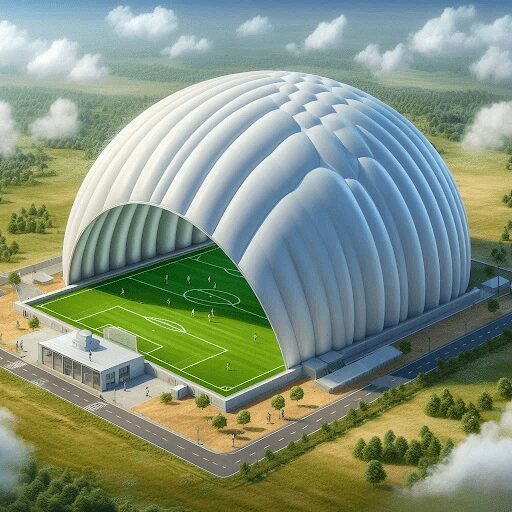
Air domes, also known as air-supported structures, are large, inflatable buildings that rely on air pressure to maintain their shape and stability. These structures consist of a lightweight, durable fabric membrane that is anchored to the ground and inflated using specialized air blowers. The constant air pressure within the dome counteracts the external forces, such as wind and snow, ensuring the structure remains stable and secure.
Components of an Air Dome
An air dome typically consists of the following components:
- Fabric membrane
- Air blowers
- Anchoring system
- Airlock entrances
The fabric membrane is usually made of high-strength, UV-resistant materials, such as polyester or PVC-coated fabrics. These materials are designed to withstand harsh weather conditions and provide excellent insulation properties.
Advantages of Air Domes
Cost-Effectiveness
One of the primary advantages of air domes is their cost-effectiveness compared to traditional construction methods. Air domes require minimal foundation work and can be installed on various surfaces, including concrete, asphalt, and even grass. The reduced construction time and labor costs associated with air domes make them an economical choice for many projects.
Quick Installation
Air domes can be installed in a matter of days or weeks, depending on the size and complexity of the structure. This rapid installation process is particularly beneficial for projects with tight deadlines or those requiring temporary structures. The quick installation also minimizes disruption to the surrounding environment, making air domes ideal for use in urban areas or sensitive ecological sites.
Energy Efficiency
Air domes are highly energy-efficient structures, thanks to their excellent insulation properties. The fabric membrane used in air domes has low thermal conductivity, which helps to maintain a stable interior temperature and reduce heat loss. Additionally, air domes can be equipped with energy-efficient lighting and HVAC systems, further enhancing their overall energy performance.
Versatility
Air domes are incredibly versatile and can be adapted to suit a wide range of applications. Some common uses of air domes include:
- Sports facilities
- Warehouses and storage facilities
- Temporary event spaces
- Agricultural buildings
- Military shelters
The modular nature of air domes allows for easy expansion or reconfiguration, making them suitable for projects with changing requirements.
Applications of Air Domes
Sports Facilities
Air domes have become increasingly popular for sports facilities, such as indoor soccer fields, tennis courts, and multi-purpose recreational centers. These structures provide a comfortable, weather-protected environment for athletes and spectators alike. Air domes can be designed to accommodate various sports and can be customized with features like lighting, ventilation, and climate control systems.
Warehouses and Storage Facilities
Air domes are an excellent choice for warehouses and storage facilities, particularly in regions with challenging weather conditions. These structures can be quickly deployed and offer a cost-effective solution for storing goods and equipment. Air domes can be designed with high ceilings and wide-open spaces, making them suitable for storing large items or accommodating heavy machinery.
Temporary Event Spaces
Air domes are often used as temporary event spaces, such as exhibition halls, concert venues, and festival tents. These structures can be easily transported and installed on-site, providing a flexible and cost-effective solution for event organizers. Air domes can be customized with features like stage lighting, sound systems, and climate control to create a comfortable and engaging environment for attendees.
Agricultural Buildings
Air domes are increasingly being used in the agricultural sector, particularly for crop storage and livestock housing. These structures provide a controlled environment that can help to extend the growing season, protect crops from adverse weather conditions, and improve animal welfare. Air domes can be designed with features like ventilation systems, irrigation, and climate control to optimize growing conditions and maximize yields.
Military Shelters
Air domes have also found applications in the military sector, where they are used as temporary shelters, command centers, and storage facilities. These structures can be quickly deployed in remote or challenging environments and offer a high level of protection against the elements. Air domes can be designed with features like blast resistance, NBC (nuclear, biological, and chemical) protection, and camouflage to meet the specific needs of military operations.
Design Considerations for Air Domes
When designing an air dome, several key factors must be considered to ensure the structure meets the specific requirements of the project. These factors include:
Size and Shape
Air domes can be designed in various sizes and shapes to suit different applications. The size and shape of the dome will depend on the intended use, the available space, and the required capacity. Air domes can be designed as simple, single-layer structures or as more complex, multi-layer systems with additional features like insulation and acoustical treatments.
Materials
The choice of materials for an air dome is critical to its performance and durability. The fabric membrane should be selected based on factors like strength, UV resistance, and fire retardancy. The anchoring system and air blowers should also be chosen carefully to ensure they can withstand the expected loads and environmental conditions.
Climate Control
Climate control is an important consideration for air domes, particularly in regions with extreme temperatures or high humidity levels. Air domes can be equipped with HVAC systems, ventilation, and insulation to maintain a comfortable and stable interior environment. The design of the climate control system will depend on the specific requirements of the application and the local climate conditions.
Lighting and Acoustics
Lighting and acoustics are critical factors in the design of air domes, particularly for applications like sports facilities and event spaces. The lighting system should be designed to provide adequate illumination for the intended use, while also being energy-efficient and easy to maintain. Acoustical treatments, such as sound-absorbing materials and noise barriers, can be incorporated into the design to control noise levels and improve the overall acoustic performance of the space.
Maintenance and Repair of Air Domes
Proper maintenance and repair are essential to ensuring the long-term performance and durability of an air dome. Regular inspections should be conducted to identify any signs of wear, damage, or leaks in the fabric membrane. Small repairs, such as patching holes or replacing damaged sections, can often be carried out on-site using specialized repair kits.
In the event of more significant damage, such as a major tear or failure of the anchoring system, professional repair services may be required. Many air dome manufacturers offer maintenance and repair services to help clients keep their structures in optimal condition.
Future of Air Domes
As the demand for cost-effective and versatile building solutions continues to grow, air domes are poised to play an increasingly important role in the construction industry. Advances in materials science and engineering are likely to lead to the development of even stronger, more durable, and more energy-efficient air domes in the future.
Additionally, the integration of smart technologies, such as sensors and automation systems, could further enhance the performance and functionality of air domes. These technologies could enable real-time monitoring of the structure’s condition, optimize energy consumption, and improve the overall user experience.
Conclusion
Air domes have emerged as a game-changing solution for the construction industry, offering a cost-effective, versatile, and sustainable alternative to traditional building methods. With their quick installation, energy efficiency, and adaptability to various applications, air domes have the potential to transform the way we design and utilize spaces.
As the technology continues to evolve and mature, we can expect to see even more innovative and advanced air dome structures in the future. Whether used for sports facilities, warehouses, event spaces, or military shelters, air domes are set to play a crucial role in shaping the built environment of tomorrow.