Packaging often gets overlooked in construction. It’s there in the background, yet it carries the weight (literally and logistically) of protecting materials, preventing damage, and helping teams move more efficiently. Choosing quality construction packaging is about reducing waste, saving time, and avoiding project disruptions. Here are five specific ways good packaging makes a difference in your day-to-day operations.
1. Prevents Damage in Transit and Storage
Construction materials are often moved long distances, handled by machines, and stored in unpredictable conditions. It’s not unusual for items to get dropped, exposed to moisture, or stacked in ways that strain their structural integrity. Poor packaging can’t do much in those situations. Quality packaging is different. It’s engineered to absorb shock, resist punctures, and hold up against rough handling.
For example, anti static bags help protect sensitive components from electrical discharge, which can otherwise cause silent damage that only shows up during use. While these bags are more common in electronics, the concept applies across materials. Packaging must respond to its contents, whether it’s shielding metal fittings from corrosion or keeping delicate items from shifting around inside a crate.
Protective packaging doesn’t remove all risks, but it does give your materials a fighting chance during transit and storage. That reduces replacement orders, repair costs, and unexpected delays on construction sites.
2. Speeds Up Handling and Sorting
Construction projects rely on movement: materials coming in, rubbish going out, and tools shifting between zones. When packaging is awkward or inconsistent, teams waste time figuring out how to carry, open, or store it. Efficient packaging design can change that.
Cardboard boxes with built-in handles are easier to lift and stack. Clear labelling reduces guesswork. Using a consistent system across sites or subcontractors means anyone can recognise and move things without needing extra instruction.
In demolition, packaging also plays a role. Segregating demolition waste using dedicated containers keeps hazardous and recyclable materials separate. That saves time at the back end and makes compliance checks simpler.
Well-designed packaging speeds up physical tasks and helps people make fewer mistakes under pressure.
3. Reduces Waste and Rework
Wasted materials often come down to poor protection or unclear labelling. Damaged tiles, dented piping, or water-logged insulation lead to expensive rework. But beyond the cost, they also frustrate workers who have to redo what they’ve already done.
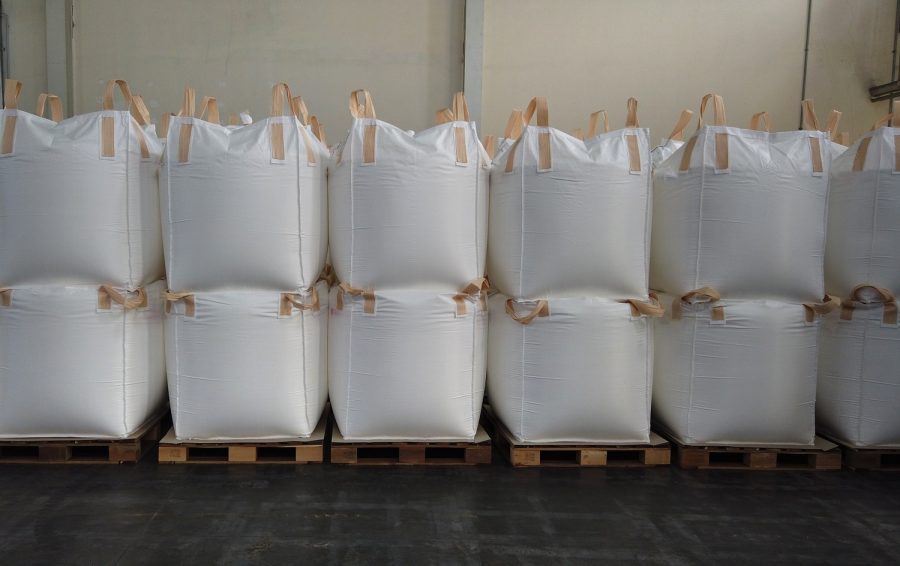
Heavy-duty packaging helps reduce these risks, especially for bulkier or high-value items. It might be custom crates for bespoke windows or reinforced sacks for construction items like bricks or aggregates. The key is packaging materials that can cope with dirt, humidity, or outdoor storage.
Choosing materials that match the item’s weight, fragility, and exposure to handling makes damage less likely. In the long run, that improves the consistency of your work and keeps your projects on track.
4. Supports Logistics and Planning
In large projects, even small delays can have knock-on effects. If building materials arrive damaged or disorganised, site teams might end up waiting, changing schedules, or shifting other tasks around. Strong packaging helps prevent those gaps.
It also helps in pre-planning. If you’re shipping a range of sizes of pipes or fittings, using colour-coded packaging allows quick identification on arrival. If you’re moving a set of prefabricated panels, modular crates that fit exact truck dimensions save transport space and reduce offloading time.
A consistent packaging solution also improves supply chain visibility. When packages are barcoded or marked clearly, it’s easier to track what’s arrived and what hasn’t. That kind of small detail makes inventory checks and procurement smoother across the project.
5. Adapts to a Variety of Materials and Uses
Construction sites don’t deal with one type of material. You’ve got everything from fragile glass panels to rugged timber beams, along with smaller, delicate items like fixtures or tools. A single packaging approach can’t cover all of that.
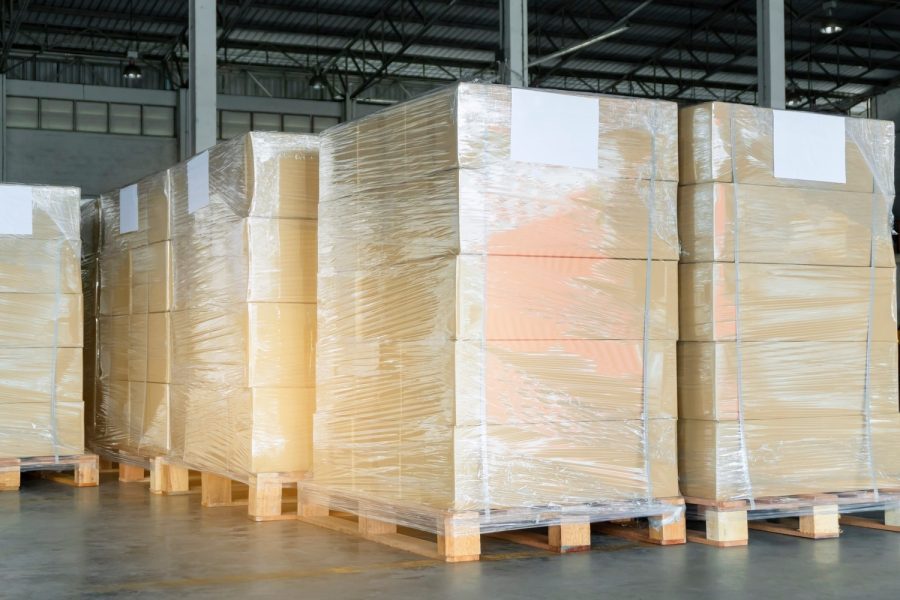
Quality packaging systems offer a wide range of options, such as materials, styles, closures, and formats. For example, stretch film for pallet loads, foam inserts for ceramics, or plastic packaging for waterproof storage. Each format serves a different purpose, but together, they provide a complete solution across the range of applications on site.
You might be packing bulky items for international shipping or sending smaller electrical parts across town. You might need rigid crates one week and flexible sacks the next. Good packaging suppliers make it easy to choose what fits, without you having to redesign the wheel every time.
That flexibility also extends to reusability. Some packaging, like plastic pallets or reinforced containers, can be used again and again. That’s helpful when dealing with larger items or trying to reduce long-term spend.
Final Thought
In the construction industry, packaging is part of the structure supporting every delivery, every installation, and every completed project. Strong, purpose-built packaging saves time, avoids damage, and makes your workflow smoother. Whether you’re moving building materials across a region or managing deliveries between trades, the right packaging adds value you’ll see across the site.