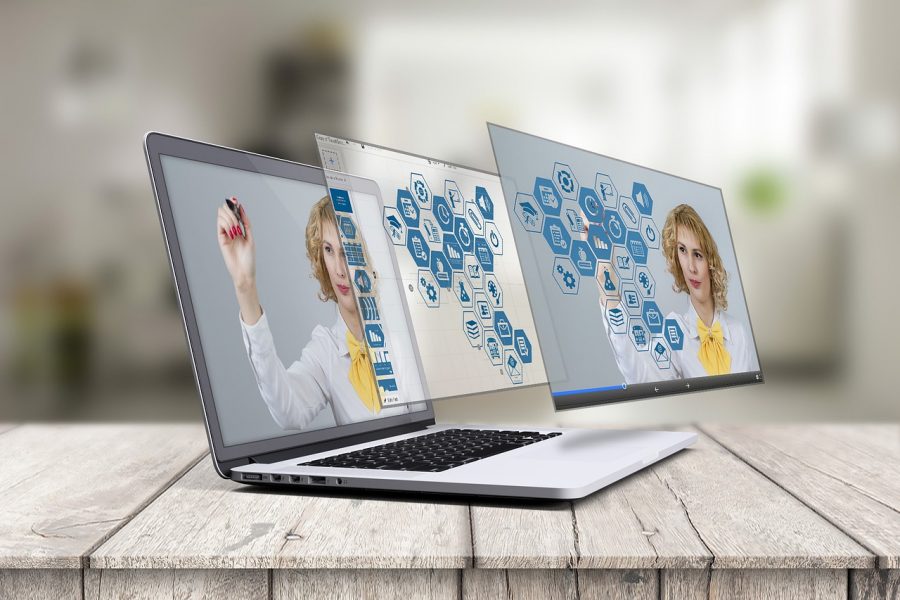
Augmented reality (AR) can be a powerful marketing tool, providing an immersive experience that can engage and educate consumers about your product or service. Here are our examples of how AR is being used in marketing today.
What is Augmented Reality (AR)?
Augmented reality is the integration of virtual elements in the real physical world. The user exists in its natural, real-world environment, but there are digital enhancements that alter the user’s perception of their surroundings. The added digital layers can include visual gimmicks, sound, or other sensory information.
Augmented reality is a growing trend. Brands are using it as a marketing tool and creating AR campaigns more than ever because this technology provides more fun and engaging shopping experience for customers, both online and in-store.
Examples of AR in Marketing
- Coca Cola
Coca-Cola is no stranger to augmented reality campaigns. On the contrary, the brand has been using augmented reality in marketing for several years now. And every campaign has shown to be a success.
One example is Coca-Cola’s holiday packaging featuring its signature mark Polar Bears. When scanning marked cans and bottles with the Coca-Cola mobile app, users were met with an immersive view of the Polar Bears’ Arctic homes. What might seem like a silly marketing strategy is a way to make users download Coke’s app and keep in contact with them even after the campaign is over.
Coca-Cola also used AR to raise awareness of the importance of recycling. In 2018, in the Mall of Scandinavia, the brand launched a campaign in which Coke cans and bottles came to life and spread everywhere. The goal was for users to interact with the game by collecting and disposing of the packages properly.
Other Coca-Cola brands have also been exploring the role of AR as a marketing tool. An example is Fanta and its “It’s a Thing” campaign, in which Snapchat users had access to digital content (such as filters and stickers) by pointing their phone cameras at Fanta billboards and posters. a
- IKEA
IKEA’s app contains a detail-oriented augmented reality feature that improves the user’s experience as an online customer. “IKEA Place” allows the user to go through thousands of products and preview how each looks in your house through accurate-sized virtual versions of the furnishings.
Recently, IKEA took its immersive experience to another level. The new IKEA Kreativ Scene Scanner enables users to delete furniture from the room, even the furnishings that are not part of IKEA’s catalog.
- L’Oréal
Augmented reality apps are changing the way users interact with the world of beauty and cosmetics. Using AR helps millions of beauty enthusiasts try an array of products and buy their favorite in less time and online. That is what L’Oréal aimed at.
The beauty giant created a virtual makeover platform called Beauty Genius, built into the L’Oréal Paris website. It allows fans to try on L’Oréal makeup and hair colors ahead of purchasing a product or changing hair color. One significant advantage of AR use in product testing is that it saves time, as users can try many different products – from foundation to lipstick to mascara to nail polish – in just a few minutes.
To promote the efficacy of AR in the beauty realm, L’Oréal launched a campaign in China using “Magic Mirrors.” These mirrors mimic the Genius tool but with the added realistic feature of looking in a mirror.
- Sephora
Sephora is a pioneer in the use of augmented reality technology to enhance user experience online. They began using it back in 2013 and have not stopped since.
Like L’Oréal, Sephora introduced augmented reality in its app and website to allow its fans to try on the brand’s products virtually. By offering not only the possibility to try on several products but also personalized makeup tutorials, Sephora draws users in and presents its products efficiently and appealingly.
- Lowe’s
Thanks to Lowe’s augmented reality feature, users can furnish their houses before buying the furniture. Lowe’s app includes a feature called “View Your Space”, which allows customers to place a true-to-scale virtual version of the product in different parts of the room.
This virtual feature goes beyond dropping furniture into a home or patio. Lowe’s also developed a ”reality clinic” – called Holoroom – an immersive experience that teaches users how to become professional DIYers. At the same time, Holoroom taught the store’s employees critical skills needed to help the customers.
Conclusion
Augmented reality is an effective marketing tool. It can be used by companies in distinct fields, producing positive results very frequently.
Experts like London app developers suggest that it’s a great way to improve user experience and invite customers to learn more about your services.