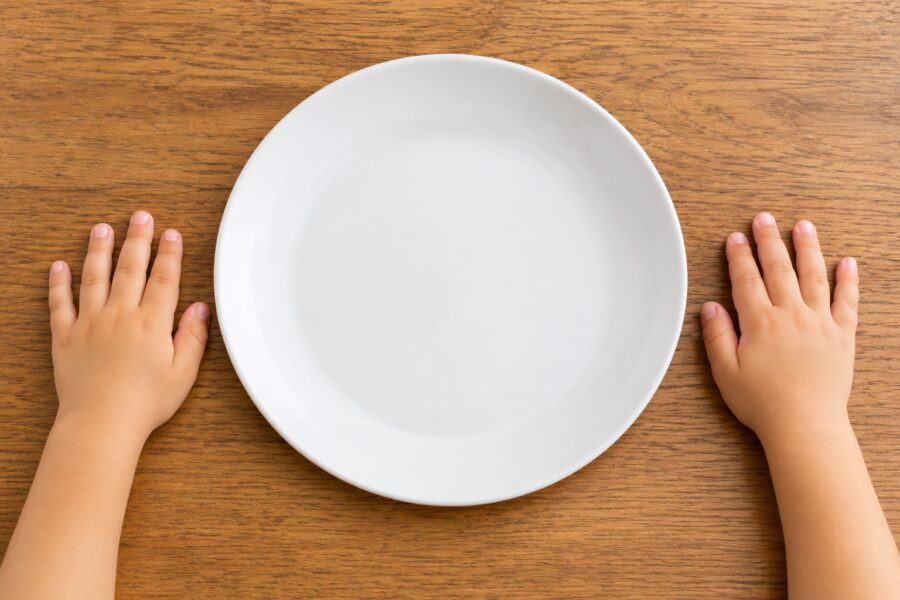
A Private Members Bill sponsored by Danny Baker MLA, which aims to address the serious issue of ‘holiday hunger’ experienced by thousands of children in low-income families during holiday periods, is scheduled to reach its Final Stage on Tuesday 10th November.
The Education (Holiday Meal Payments) Bill would allow families to receive financial payments during holidays in lieu of the Free School Meals their children would be receiving if they were in school.
There has been a suggestion that a Petition of Concern may be deployed to prevent the passing of this legislation. A group of more than 20 major NI charities and academics have come together to highlight the importance of the Bill.
Speaking on behalf of the group, Siobhán Harding from the Women’s Support Network, said, “We believe the move to prevent this Bill would be anti-democratic and morally wrong. Anti-democratic in that it functions as a veto mechanism, despite the legislation clearly having the support of most MLAs in the NI Assembly. We strongly believe there is also a moral imperative to support the fundamental right to food for children during school holidays, as outlined in Article 27 of the UN Convention on the Rights of the Child.
“Where the Northern Ireland Assembly has consistently failed to address the devastating reality of child poverty in Northern Ireland, this Bill currently represents the only meaningful possibility for progress during the current mandate that is now within our grasp. MLAs must seriously consider whether the legacy of this Stormont mandate will be characterised by turning its back on an opportunity to take action on one of the most serious issues in our society.”
Speaking about the latest developments and the vital need for these payments, Susan Lilley from Atlas Women’s Centre said, “I can’t believe our leadership would delay payments to feed children, especially children in these circumstances. It’s very disappointing that those in power would clearly do anything to stop these payments. I hoped that politicians would do better for children.”
The Northern Ireland Audit Office has said the evidence for action is clear. A spokesperson for the organisation commented, “A failure to tackle child poverty early and effectively risks lifelong impacts to children’s health, education, and general development. There is also a considerable cost to the public purse, with previous estimates indicating costs of child poverty to be between £825 million and £1 billion annually.”
Households across Northern Ireland are finding it increasingly difficult to navigate the current economic climate, with school holidays creating a distinct and compounding pressure on family budgets. The additional cost of feeding children who would otherwise receive a free school meal, arrives at the same time as many other holiday-period costs such as increased childcare, holiday schemes, and the huge burden of school uniforms and shoes experienced over the summer months.
The group has compiled evidence to highlight the cascade of difficult choices faced by parents when free school meals are not available, and the immeasurable stress and anxiety this causes, undermining the wellbeing of the whole family. It reports that adults skip meals altogether or reduce their own food intake to prioritise their children’s meals. Families purchase cheaper, less nutritious food and processed and frozen options to replace fresh produce. Parents are forced to take on debt through credit cards or in some cases illegal money lenders to bridge the gap, creating financial harm that extends well beyond the holiday period.
Siobhan concluded, “We are calling on all political parties and all MLAs to support the Bill as it reaches the Final Stage. This measure would provide much-needed assistance to 90,000 children in low-income households, helping to alleviate ‘holiday hunger’ and ensure parents do not have to skip meals or reduce their own food intake to prioritise their children’s meals. Further, we call on the Department of Education to ensure that there is no detrimental impact on schemes supporting children and young people across our community.
“The provisions in the Bill are reasonable and proportionate given the scale of the hardship facing low-income children and families and will help prevent or alleviate these serious issues. In many ways this Bill is a relatively small, modest step, but a crucially important step. If not this Bill, if not our most disadvantaged children, then what, if any, action can we ever expect from our locally elected representatives?”