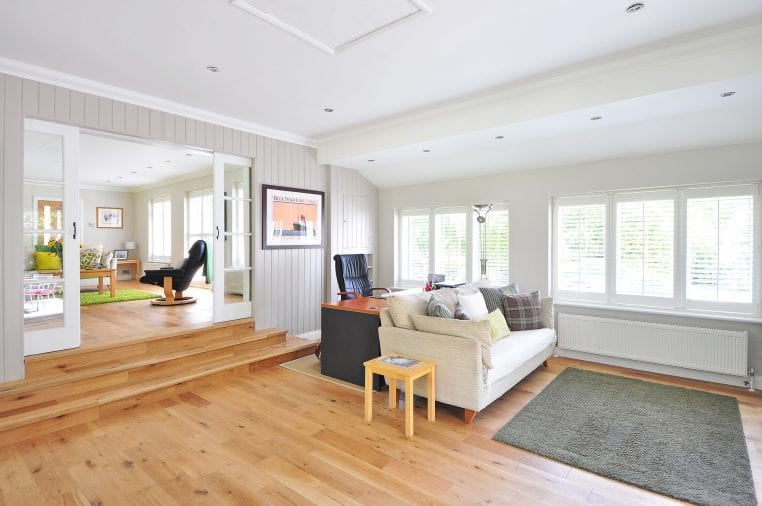
Most landlords face the same question at the end of a tenancy: is the flooring still good enough to relet, or is it time to replace it? Replacement means an upfront cost, and there’s no guarantee it will lead to a higher rent. Even so, flooring affects several parts of a rental’s performance, including how quickly the property lets, the tenants it attracts, how long they stay and how smoothly deposit returns go. This guide weighs up each of these from a landlord’s point of view, looks at how different types of tenants affect your choice and explains when keeping the existing floor makes more financial sense.
Yes, New Flooring Can Add Real Value to a Rental Property
For a rental, value comes from what the flooring earns and saves you over several tenancies. Worn floors are one of the quickest ways for a property to look neglected, and tenants often take that as a sign of how the landlord will handle repairs. Fresh flooring helps your property compete with similar homes on the same street at the same asking rent.
A useful way to assess the value is to think about the spend across the flooring’s lifespan. A mid-range floor that lasts through three or four tenancies costs very little per let, especially when it helps avoid even one extra week of void. Hardwearing options such as the laminate flooring choices at Urmston Carpets are designed with this kind of use in mind. That makes them worth comparing when you plan a refresh.
It Helps Let the Property Faster and Reduce Void Periods
Most tenants shortlist properties from the photos on letting portals before they book a single viewing. Stained carpets or tired boards show up clearly in those photos, and a property that looks dated online gets fewer enquiries. A simple sum shows what’s at stake. On a rent of £900 a month, each empty week costs you roughly £200, before counting the council tax and utility bills you may have to cover.
Here are a few ways to make new flooring shorten the void instead of adding to it:
- Book early: Arrange a measure as soon as your tenant gives notice, so fitting can happen in the first days after they leave.
- Coordinate the trades: Have painting done before the floor goes down, which avoids drips and a second visit.
- Photograph promptly: Take listing photos straight after fitting, while everything looks its best.
It Attracts Better Tenants Who Stay Longer
Tenants often judge a landlord by the condition of the property at the first viewing. A home with fresh flooring signals that repairs are taken seriously. This tends to attract applicants who plan to stay and look after the place, rather than people treating it as a stopgap.
Longer tenancies are where much of the value lies. Each change of tenant brings letting fees, referencing costs, cleaning, a new inventory and the risk of a void. A tenant who renews year after year saves you all of that. Comfort plays a part too. Warm, quiet floors make a home more pleasant to live in, and tenants who are happy in a property are far more likely to sign on for another year.
New Floors Make Deposits and Inventories Simpler
End of tenancy disputes often come down to flooring. When a floor was already worn at check-in, it’s hard to prove that any new marks were caused by the outgoing tenant. A new floor that is clearly recorded in the inventory, with dated photos, makes any damage much easier to identify and discuss fairly.
Deposit schemes generally take the age and expected lifespan of an item into account when deciding what a landlord can claim. So keep the invoice for your laminate flooring and fitting alongside the inventory, which gives you a clear record of when the floor was installed. Durable floors also cut down on smaller repair jobs between tenancies, which means less time arranging tradespeople and fewer deductions to negotiate.
Match the Flooring to Your Type of Tenant
The right flooring depends on who lives in the property as much as on which room it goes in. Think about the tenants your property usually attracts:
- Students and sharers: Heavy footfall and frequent moves call for tough, easy-to-clean hard flooring in shared areas, with hardwearing carpet in bedrooms.
- Young professionals: These tenants often expect a contemporary look, so wood effect hard flooring in living areas can help justify the asking rent.
- Families: Warm carpet on stairs and in bedrooms is popular, while wipe-clean floors in kitchens and dining areas cope with spills.
- Tenants with pets: Scratch-resistant hard flooring is usually easier to protect than carpet, and a pet clause in the tenancy agreement covers any damage.
Leasehold flats need an extra check. Many leases restrict hard flooring or require acoustic underlay to limit noise for the neighbours below, so read yours before ordering. Breaching a lease can be far more costly than the flooring itself.
When New Flooring May Not Be Worth It
Replacing the floor isn’t always the best use of your money. It may make more sense to wait if:
- the existing floor only needs a professional clean or a few boards repaired
- you plan to sell soon, as buyers often want to choose their own flooring
- the upgrade you’re considering costs far more than local rents can support
- the tenant is staying on, since fitting around a lived-in home is disruptive for everyone.
The best test is a quick calculation. Add up the cost of the new floor, then compare it with the rent a shorter void could save you, any realistic rent increase, and the repairs you’d avoid over the next few years. If those savings cover the cost within two or three tenancies, replacing the floor is usually a sound decision.
Make Your Next Tenancy Easier With Flooring Built for Rentals
New flooring adds value to a rental property when it helps you let quickly, keep good tenants, settle deposits fairly and spend less on repairs between lets. It works best when you time it around a change of tenant and choose a floor that suits the people who live in your property.
If a tenant has recently given notice, now is the time to plan. Book a measure, get a room-by-room quote and arrange fitting for the first days of the void. Your property will then be ready to photograph, relet and start earning again as quickly as possible.