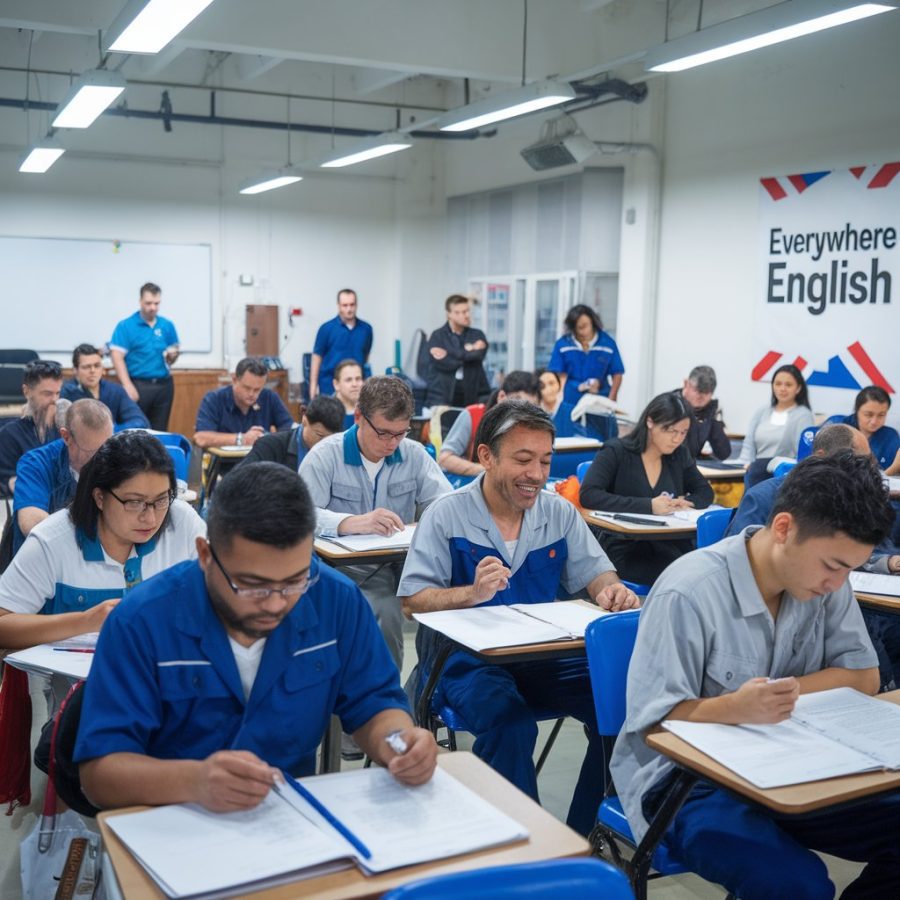
From tech giants to boutique consultancies, companies around the world are discovering that a multilingual workforce can be a powerful competitive advantage. In today’s global economy, the ability to communicate seamlessly across borders, cultures, and time zones can spark innovation, enhance customer relationships, and drive overall business success. One of the cornerstones of a multilingual strategy is effective English language training—ensuring that employees possess the confidence and fluency to collaborate internationally.
This article delves into how harnessing and upskilling multilingual employees—particularly in English—can foster creativity, productivity, and profitability. We will also explore practical ways to implement language development initiatives and how partnering with Everywhere English can maximise these benefits.
The Business Value of a Multilingual Workforce
1.1 Expanding into New Markets
A company with staff proficient in multiple languages can manage communications more effectively in emerging markets. While English remains a dominant global lingua franca, team members who speak local languages in Asia, Africa, or Latin America can help unlock customer bases otherwise inaccessible to English-only competitors. By ensuring everyone shares a strong foundation in English, you bridge departmental gaps and standardise communication across the entire organisation.
1.2 Boosting Creativity Through Cultural Perspectives
Employees from different linguistic and cultural backgrounds bring varied problem-solving approaches. A multinational environment can spark creative solutions to persistent business challenges, provided there is a common language—often English—to facilitate the sharing of ideas. When staff are equally confident in English, they’re more likely to voice opinions and challenge conventional thinking.
1.3 Enhancing Brand Reputation
A customer or client who can interact with your staff in more than one language often feels more valued. Even if they choose to communicate in English, knowing that your team celebrates cultural diversity bolsters your brand’s image. As word spreads about your inclusive, global mindset, you become a more appealing choice for both clients and job candidates.
Common Challenges in Managing a Multilingual Team
2.1 Communication Silos
When departments favour their native languages—particularly in informal chats—it can unintentionally exclude colleagues. This can lead to cliques, misunderstandings, and duplication of work. Encouraging English as a common corporate language helps keep everyone on the same page, but only if staff feel capable of using it confidently.
2.2 Varied Levels of English Fluency
Some employees might be nearly native in their English proficiency, while others struggle with basic sentence structures. This discrepancy can create tension or slow project timelines. A well-structured training programme can even out these differences, ensuring consistent communication across the board.
2.3 Cultural Misunderstandings
Language is closely tied to culture. Even a simple expression in English might inadvertently offend someone from a different cultural background. Training that goes beyond grammar—teaching soft skills and cultural nuances—can safeguard against these pitfalls.
Building English Proficiency to Empower Your Team
3.1 Comprehensive Assessment
Identify each employee’s current English level via quizzes, speaking tests, or professional observation. This helps group learners effectively, tailoring lessons to specific departmental needs—be it advanced negotiation or basic email etiquette.
3.2 Targeted Course Content
One-size-fits-all courses waste time. By integrating industry jargon, role-play scenarios, and job-related materials, you ensure immediate applicability. For instance:
- Sales Teams: May need practice in pitching, building rapport, or clarifying product details.
- Customer Support Staff: Might focus on telephone and live chat etiquette, plus conflict resolution in English.
- Technical Departments: Could emphasise written clarity for documentation, code reviews, or incident reports.
3.3 Ongoing Feedback and Real-World Practice
Short quizzes, speaking sessions, or pair-work tasks keep learners engaged while enabling real-time corrections. Encouraging employees to use English in everyday interactions—like coffee-break chats or small internal meetings—consolidates newly acquired skills.
The Payoffs of a Strong English Training Initiative
4.1 Smoother Internal Collaboration
With English established as the common ground, employees from different regions or linguistic backgrounds can share best practices, coordinate cross-functional projects, and reduce duplication. This synergy fosters smoother internal operations and fosters a sense of unity.
4.2 Improved Customer Satisfaction
Clients often evaluate a company by the clarity, warmth, and professionalism of its frontline staff. Whether it’s a sales pitch, a customer support email, or an after-sales follow-up, fluent English can set you apart from competitors who fumble in communication.
4.3 Talent Attraction and Retention
Top candidates—particularly from younger, globally minded generations—value workplaces that invest in professional development and embrace cultural diversity. Demonstrating a commitment to upskilling in English can be a decisive factor in securing top-tier talent and retaining them.
Creating an Inclusive, English-Friendly Culture
5.1 Leadership Buy-In
When senior leaders consistently use English in public addresses, email updates, or town halls, it sends a message that bilingual or multilingual abilities are assets, not barriers. This top-down approach also legitimises the language training for employees who might otherwise view it as optional.
5.2 Recognising Cultural Identity
Encouraging staff to speak English at key touchpoints needn’t negate their native languages. Celebrate cultural identity—host international potluck lunches or encourage employees to teach simple phrases in their mother tongues. This inclusive environment underscores that English is an additional tool rather than a replacement.
5.3 Mentorship Programmes
Pair new or less fluent employees with more experienced, confident English speakers. Beyond language practice, these pairs can discuss career aspirations and daily challenges, fostering cross-cultural friendships.
Overcoming Resistance to English Training
6.1 Addressing “Lack of Time”
Employees balancing busy workloads may be reluctant to add language classes to their schedule. By opting for flexible or hybrid models (a combination of live online lessons and on-demand self-study), you reduce disruptions. Time-bound progress markers help them see the journey as manageable increments.
6.2 Alleviating Fear of Judgement
Some employees worry about making mistakes or being ridiculed. Emphasise that errors are part of learning. Incorporating collaborative activities—like group discussions or role-plays—builds camaraderie and reduces stigma around trial-and-error.
6.3 Showcasing Practical Benefits
Employees are more likely to embrace training when they see direct payoffs—like how better English can land them top projects, promotions, or international travel opportunities. Sharing success stories of colleagues who improved their roles through language skills fosters motivation.
How Everywhere English Catalyses Multilingual Strengths
Everywhere English recognises that each workforce has unique linguistic dynamics. Their approach centres on:
- Customised Assessment:
Evaluating each department’s specific tasks and interactions to develop relevant course content. - Hybrid Delivery:
Live lessons via virtual classrooms for speaking practice, combined with extensive online materials for grammar, vocabulary, and scenario-based exercises. - Ongoing Reporting:
Organisations receive progress data, showing attendance, test scores, and improvements in specific skill sets. - Cultural Awareness:
Lessons often incorporate cultural nuances—ensuring employees learn not just “what” to say, but also “how” and “why” certain expressions are used.
By transforming linguistic diversity into a cohesive strategy, Everywhere English helps companies leverage their employees’ multilingual backgrounds as a springboard for innovation and performance.
Practical Steps to Empower Your Multilingual Team with English
- Conduct a Language Audit:
Identify the main languages present, roles requiring frequent English use, and potential gaps. - Set Clear Objectives:
Outline what success looks like—fewer miscommunications, better cross-team collaboration, or successful expansion into English-speaking markets. - Choose a Delivery Model:
Consider a combination of live classes, one-to-one coaching, or small group sessions with self-paced modules. - Integrate English Practice Into Workflows:
Encourage staff to conduct certain meetings, document updates, or knowledge-sharing sessions in English. - Celebrate Milestones:
Recognise departments or individuals that show marked improvement. Small rewards can build momentum.
Looking Ahead: The Strategic Advantage of a Multilingual Workforce
Workforces that unite multiple languages and cultures can solve complex problems more creatively and address global customer bases more effectively. As competition intensifies, the margin between success and failure may hinge on how readily your staff can switch between local languages and English without skipping a beat.
By investing in robust English training that complements and elevates existing linguistic skills, organisations prepare themselves for the demands of modern business. Through a structured curriculum, supportive culture, and targeted approach to bridging language gaps, you can turn linguistic diversity into a formidable competitive edge—one that positions your company as innovative, inclusive, and ready to thrive in any market.

Conclusion
Nurturing a multilingual workforce, underpinned by strong English proficiency, unlocks a range of benefits—from smoother internal processes to heightened international appeal. It helps your organisation think more creatively, serve customers better, and seize expansion opportunities without linguistic barriers. However, realising these gains requires more than a token language class; it demands a thoughtful strategy, robust training resources, and buy-in from every organisational tier.
By collaborating with Everywhere English, businesses can align their language training with overarching strategic goals, ensuring that diversity in language becomes not a stumbling block but a launchpad for excellence. In essence, embracing multilingualism is no longer just a “nice to have”—it’s a transformative asset that can set companies apart in the globalised era.