It may surprise you that faxing remains a viable means of communication in the United Kingdom. Despite the widespread use of emails, instant messaging, and cloud-based file sharing, fax machines continue to play a small but important role in several industries. This article investigates the present situation of faxing in the United Kingdom, exploring why it is still used and how it has evolved to meet modern needs.
Fax’s Remarkable Resilience: Building Trust and Security
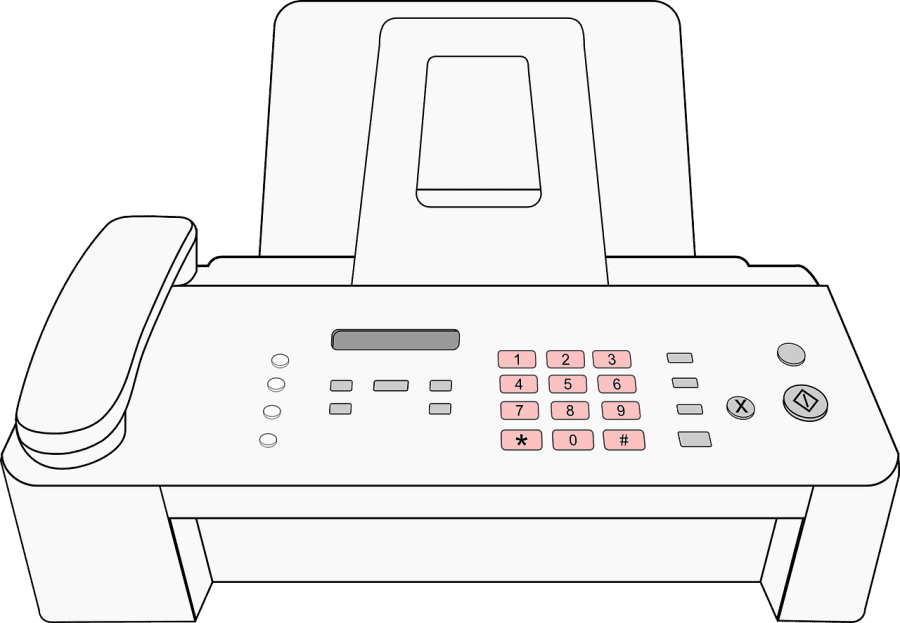
One of the key reasons faxing has not entirely disappeared is its established reputation for security and dependability. Unlike emails, which can be intercepted or subjected to phishing attacks, faxes are widely regarded as a more secure method of delivering sensitive information. The physical component of faxing, which involves transferring a document via telephone lines to another fax machine, adds a layer of security that many organizations find reassuring.
Legal and Regulatory Requirements
Certain businesses in the UK, including healthcare, legal, and finance, are subject to rigorous rules that require the use of fax. For example, the NHS has been known to use fax machines to transfer patient records and other sensitive information, despite a desire for digital transformation. Legal documents frequently require signatures sent by fax to assure validity and conformity with various legal norms.
Fax Over IP (FoIP): A Modern Technological Advancement
Traditional faxing has developed in response to changing times. Fax-over-IP (FoIP) is a modern version that combines classic fax systems with internet technology. This technology enables faxes to be issued and received via email accounts or web-based interfaces, thus combining the old and the new. This adaptation has helped to keep faxing relevant in the digital age, allowing consumers to combine the reliability of faxing with the ease of modern technologies. Moreover, iPhone and Android apps have also evolved to incorporate faxing into the digital workflow of today.
Integration of Digital Systems
Many companies have integrated fax services into their digital platforms. Multifunction printers (MFPs), which can print, scan, copy, and fax, are widely used in UK offices. These devices frequently include software that allows users to transmit faxes directly from their computers, increasing efficiency and minimizing the need for standalone fax machines.
Industry-Specific Reliance in Healthcare
The UK healthcare sector is one of the greatest users of fax machines. Despite efforts to transition to electronic health records (EHRs), many NHS trusts and GP practices still use fax machines. The perceived security and directness of fax communication contribute significantly to its continued use. However, there is a rising trend within the NHS to replace fax machines with more secure and efficient digital communication alternatives.
Legal and Financial Sectors
Fax machines are often used by law firms and financial organizations. The legal sector, in particular, values the date and verified delivery confirmation that faxing offers, which is critical for time-sensitive papers and court submissions. Similarly, in finance, faxing is used to deliver signed contracts and sensitive financial papers that need to be transmitted securely.
Government Initiatives Driving Digital Transformation
The UK government has advocated for digital transformation in all areas. This involves lowering dependency on outdated technologies such as fax machines. Initiatives like the NHS Digital Transformation Programme seek to replace fax machines with secure digital equivalents by encouraging the use of secure email systems and electronic document management solutions.
Challenges to Overcome
Despite the need for modernization, various obstacles prevent the abolition of fax machines. These include the high expense of switching to new systems, the time it takes to train employees, and the requirement to verify that new digital solutions fulfill the same security and reliability standards as traditional faxing.
Conclusion: A Technology in Transition
In the United Kingdom, faxing is a transitional technology. While it is no longer the dominant mode of communication it once was, it remains an important tool in certain businesses due to its perceived security, dependability, and regulatory compliance. The introduction of Fax over IP and integration with digital systems has given fresh life to this old technology, allowing it to coexist with modern digital communication techniques.
However, the drive for digital transformation is strong. As more secure and efficient digital solutions become more widely adopted and government initiatives continue to push for modernization, the reliance on traditional fax machines is expected to decline. For the time being, however, faxing is still in use in the United Kingdom, functioning as a link between the past and the future of communications.